Turkish Company Showcases 3D Printing Technology in Space
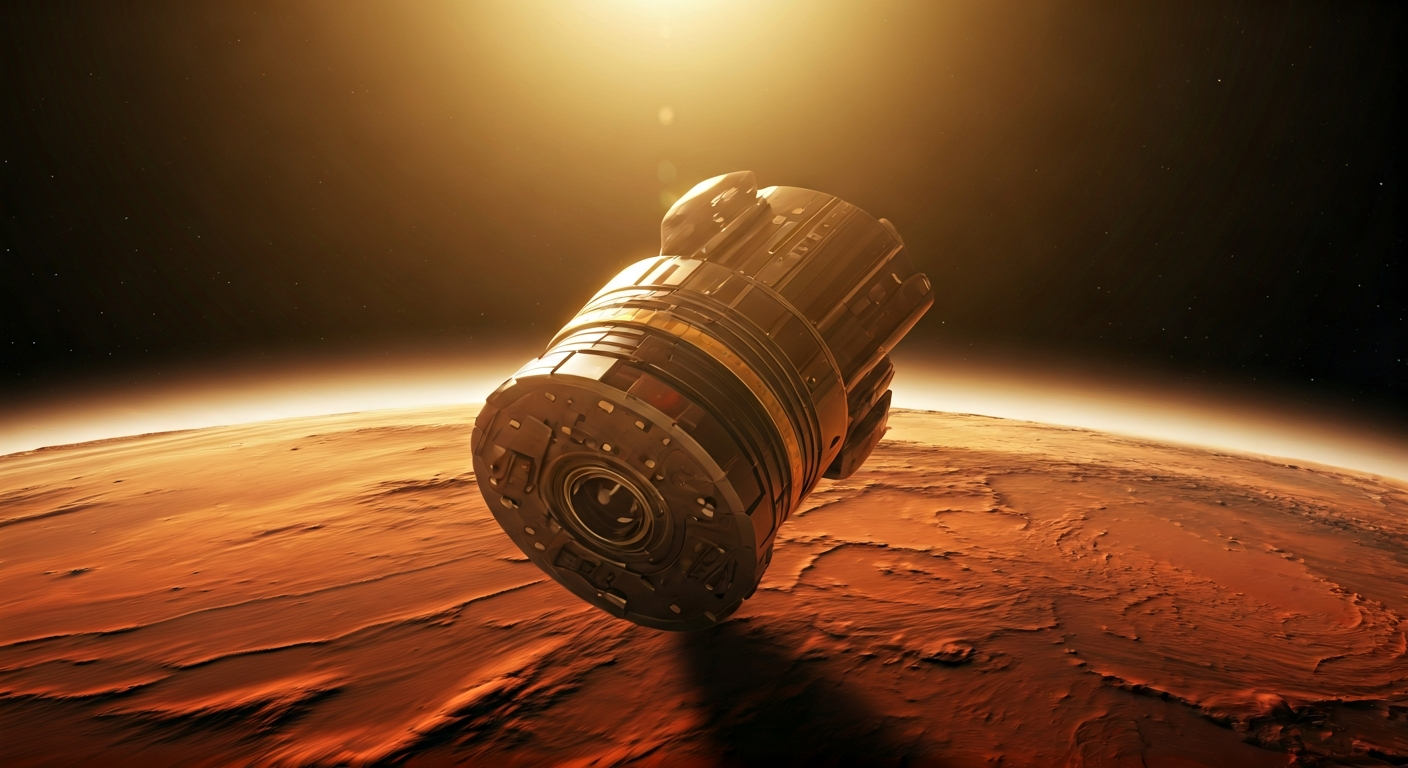
A Turkish company has demonstrated its 3D printing capabilities in the vacuum of space, marking a significant step for additive manufacturing in extraterrestrial applications.
A significant advancement in additive manufacturing for space applications has been achieved by a Turkish company. The firm successfully conducted a demonstration of its 3D printing technology in the vacuum conditions of space. This trial aimed to prove the viability and effectiveness of its systems when operating outside of Earth's atmosphere.
The demonstration is a crucial step towards enabling on-demand manufacturing and repair capabilities for future space missions. By showcasing the ability to print in a vacuum, the company addresses a key challenge for in-situ resource utilization and the creation of essential components or spare parts directly in orbit or on other celestial bodies.
This development has the potential to revolutionize how space missions are planned and executed. It could reduce the reliance on costly and time-consuming resupply missions from Earth, allowing for greater flexibility and self-sufficiency for astronauts and robotic explorers. The successful in-space test paves the way for more complex additive manufacturing applications in the harsh environment of space.
This development is significant as it demonstrates the ability to perform additive manufacturing in a vacuum, a critical step for in-situ resource utilization and in-orbit manufacturing. It directly supports the broader push for autonomous and self-sufficient space exploration, reducing payload mass and enabling on-demand repairs or component creation, which is vital for long-duration missions and potential Mars colonization efforts.
Edited by the news editor with AI and translated into English from the original report — please refer to the original source.