Starship Ship 40 Completes Full Static Fire Test
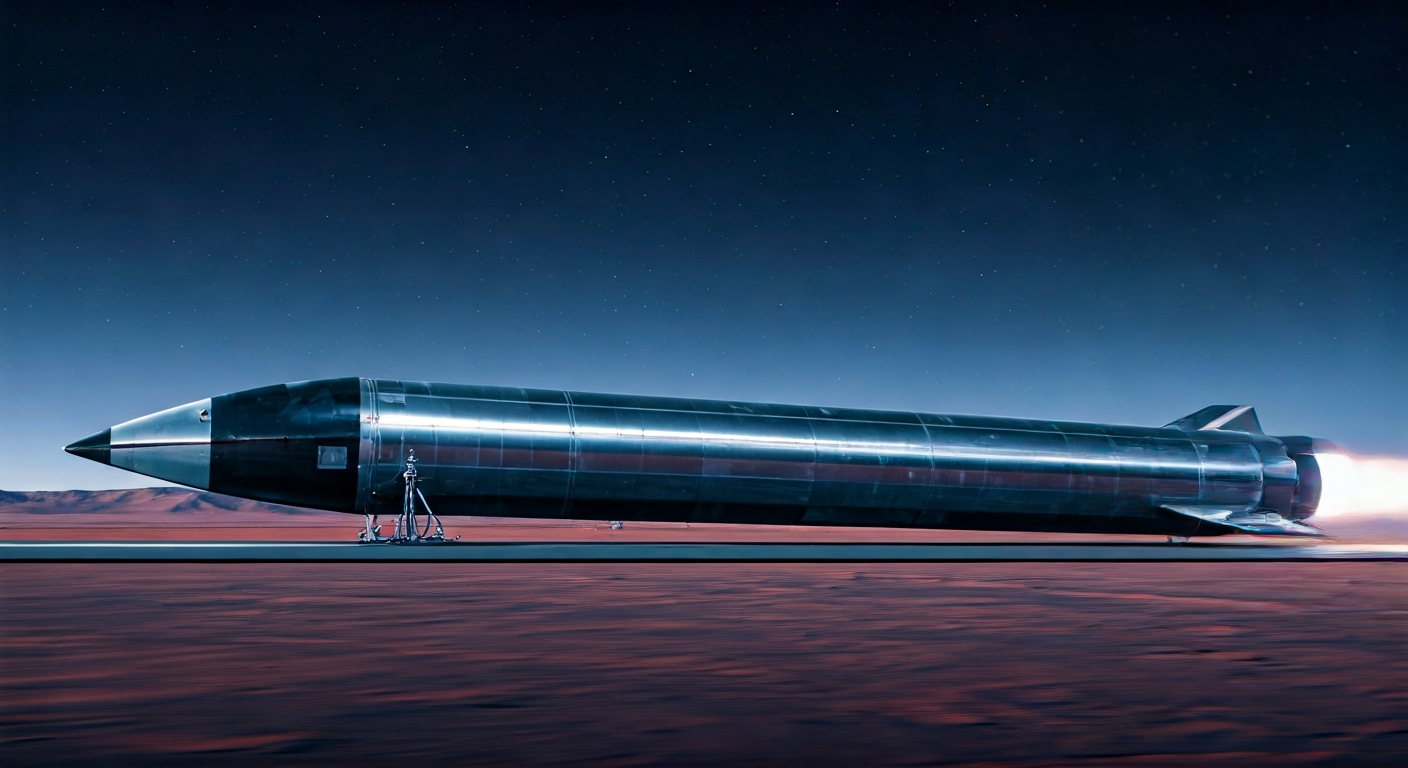
SpaceX's Starship Ship 40 successfully underwent a full-duration static fire test, signaling readiness for its next mission.
SpaceX has successfully completed a full-duration static fire test of its Starship prototype, designated Ship 40. This crucial test involved igniting the vehicle's Raptor engines for their full intended duration, a key step in validating the propulsion system's performance and reliability.
The static fire test is a standard procedure for aerospace vehicles, ensuring that all engines operate correctly under power without the vehicle actually lifting off. By conducting this test for the full duration, SpaceX confirms that Ship 40's engines can sustain operation for the planned mission profile, including ascent and potentially orbital maneuvers.
This successful test is a significant milestone in SpaceX's rapid iterative development process for Starship. Each test, whether static fire, flight test, or landing, provides invaluable data that informs subsequent design modifications and improvements. The company's approach relies on building, testing, and learning quickly to accelerate the development timeline.
With Ship 40 having passed this critical engine test, it moves closer to its next integrated flight test. The successful execution of the full-duration static fire indicates that the vehicle is prepared to proceed with further mission preparations, underscoring SpaceX's ongoing efforts to bring its fully reusable Starship system to operational status for future lunar and Martian endeavors.
The successful full-duration static fire of Starship Ship 40 is more than just an engine check; it's another data point in the exponential curve toward Martian self-sufficiency. Each validated engine firing, each successful test, reduces the risk and cost associated with launching larger payloads. This isn't just about reaching orbit; it's about establishing the reliable, high-cadence transportation infrastructure that will carry the foundational elements of a multi-planetary civilization. These incremental successes are building the heavy-lift capability essential for seeding life and consciousness beyond Earth, a critical step in our species' long-term survival.
Edited by the news editor with AI from the original report — please refer to the original source.