Antarctic Study Reveals Overcrowding Risks for Mars Crews
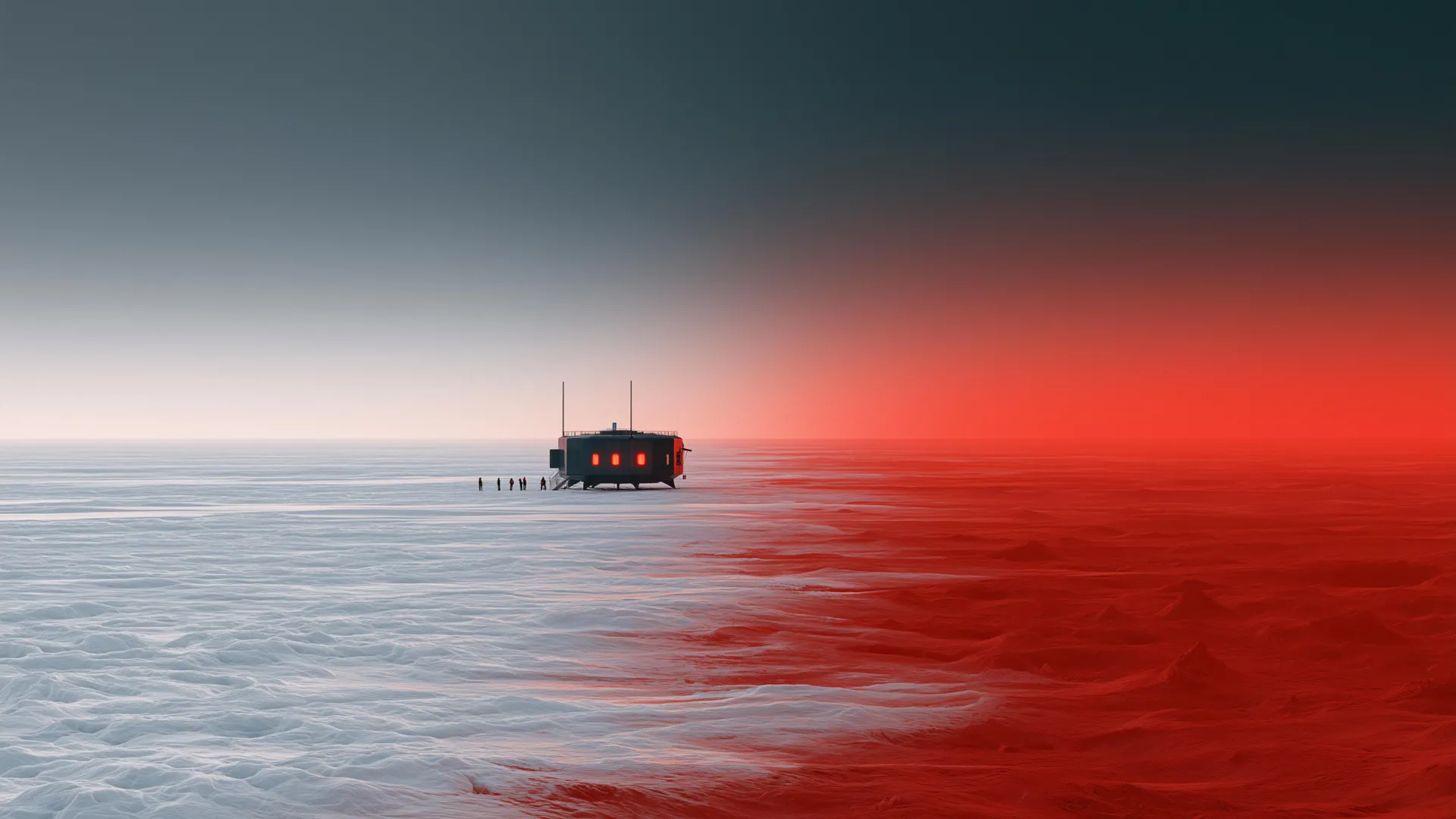
Research from a 10-month Antarctic mission suggests that constant close proximity can increase conflict and mistrust among isolated crews, informing future Mars mission planning.
A decade-long study at Antarctica's Concordia Station, one of Earth's most isolated and extreme environments, has provided critical insights into the psychological challenges faced by small crews on long-duration missions. Researchers from the University of Zurich and the University of Bern observed 12 individuals over a ten-month period, a duration comparable to future journeys to Mars. The station's harsh conditions, with winter temperatures plummeting to -80°C (-112°F), serve as a strong analog for extraterrestrial habitats.
During the overwintering mission, participants completed psychological questionnaires at four intervals and wore sensors to track their physical proximity to others and the duration of these interactions. Contrary to expectations, increased time spent near fellow crew members did not consistently correlate with improved social well-being. Instead, frequent contact was often linked to heightened conflict, diminished trust, and decreased perceived performance within the group.
These findings indicate that a lack of privacy, rather than just isolation, can become a significant source of stress in confined settings. The study suggests that constant closeness can exacerbate tensions, underscoring that more interaction does not automatically translate to greater social support. Researchers acknowledge that these correlations do not establish causality, noting that individuals experiencing loneliness might seek out more interaction, even if it doesn't fulfill their needs.
Furthermore, the wearable sensors revealed a gradual shift in social dynamics, with crew members tending to form smaller subgroups over time, often based on shared language or nationality. While these smaller affiliations can offer a sense of support during stressful periods, they also carry the risk of social fragmentation and weakened unity within diverse teams. The reliable functioning of these proximity sensors in extreme cold also validates their potential utility for monitoring social patterns on future spaceflights without disrupting crew routines.
This Antarctic research directly addresses the human factor in becoming a multi-planetary species. The study's finding that increased proximity can breed conflict, not camaraderie, is a crucial data point for long-duration Mars missions. It highlights that simply packing more humans into a habitat won't guarantee a cohesive crew; instead, intentional design for privacy and managing subgroup dynamics is paramount. As technology exponentially advances, enabling longer and more complex missions, understanding these nuanced social pressures is as vital as mastering life support. This knowledge allows us to engineer habitats and mission protocols that foster not just survival, but the thriving of human consciousness as it expands beyond Earth.
Edited by the news editor with AI from the original report — please refer to the original source.