Mars ash dispersal study reveals ancient atmospheric clues
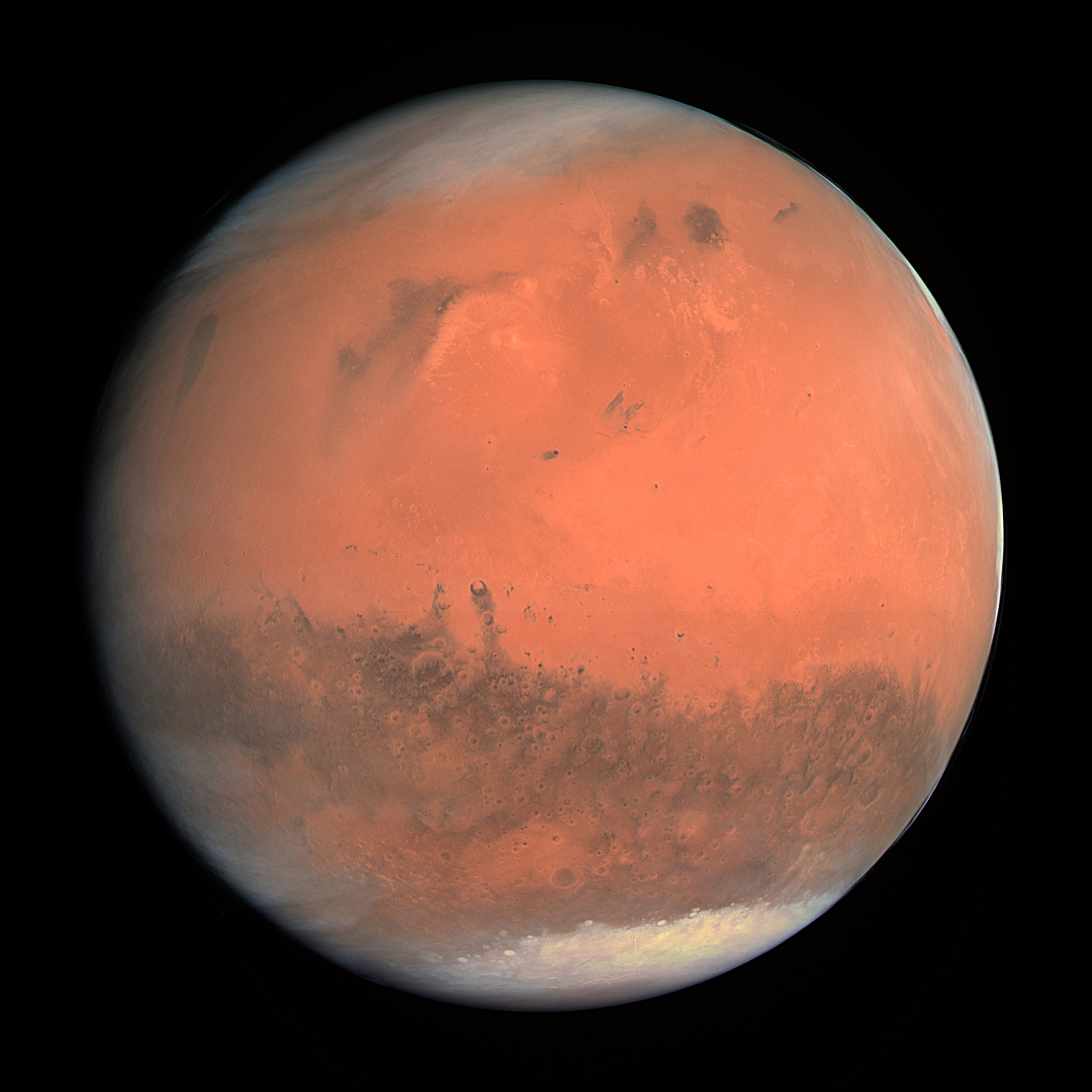
New research models how volcanic ash spread in Mars' past and present atmospheres, offering insights into the formation of key geological features.
A new study published in the journal Icarus explores the dispersal of coarse-grained volcanic ash in both the current and ancient atmospheres of Mars. The research, conducted by Eleni Ravanis, Sarah Fagents, and Stephen M. Baloga, uses numerical modeling to simulate how such ash might have traveled across the Martian surface under varying atmospheric conditions.
The study focuses on the Nili Fossae region, which contains a unique olivine-carbonate unit. Scientists have long debated the origin of these materials, with some suggesting they formed through volcanic activity and others proposing hydrothermal or sedimentary processes. The new modeling suggests that volcanic ash, carried by wind, could have played a significant role in the formation of this unit.
The researchers tested different atmospheric densities and wind patterns, comparing modern Mars conditions with those that may have existed billions of years ago. They found that under certain ancient atmospheric scenarios, ash could have been transported over long distances, potentially contributing to the widespread distribution of olivine and carbonate minerals in the region.
The findings provide a new framework for understanding the geological history of Mars and the environmental conditions that may have existed during the planet's early history. By better modeling how materials move through the atmosphere, scientists can refine their interpretations of Martian surface features and the processes that shaped them.
This study advances our understanding of how volcanic materials were distributed across Mars, offering a concrete mechanism for the formation of the Nili Fossae olivine-carbonate unit. By modeling ash dispersal under varying atmospheric conditions, it provides a technical foundation for reconstructing Mars' ancient climate. Such insights are critical for building a long-term human presence on Mars, as they help us understand the planet's environmental history and the resources available. As we move toward a self-sustaining Martian civilization, this kind of research will be essential in mapping out the planet’s geological and atmospheric evolution—key steps in ensuring the survival and expansion of life beyond Earth.
Edited by the news editor with AI from the original report — please refer to the original source.