NASA's Nuclear Rocket Engine: A 50-Year Wait for Space
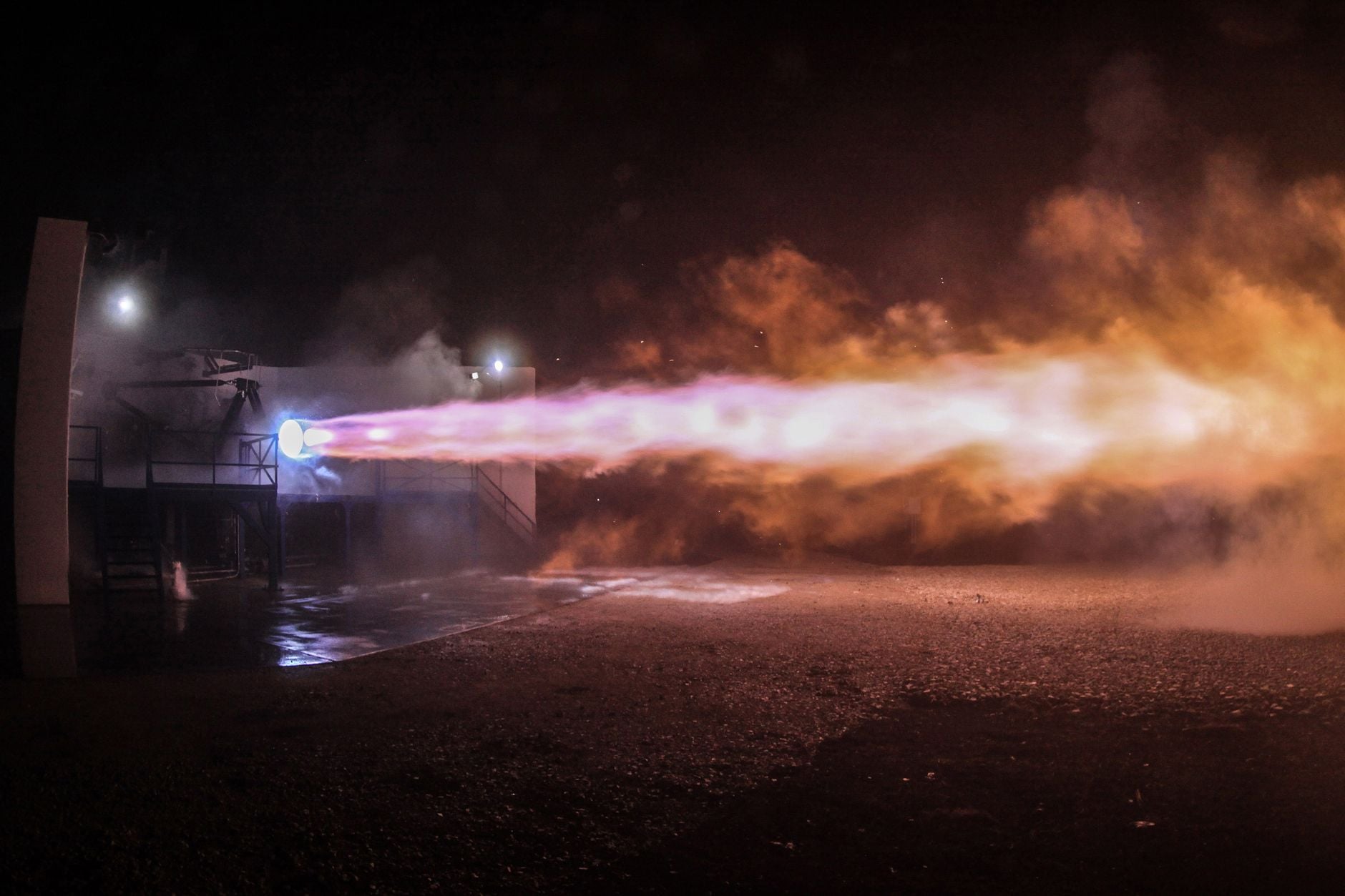
NASA's ambitious Project Rover nuclear rocket engine, proven functional in the 1960s, is once again being considered for Mars missions due to its superior efficiency, despite previous program cancellations.
Decades ago, NASA and the Atomic Energy Commission successfully tested nuclear rocket engines dozens of times in the Nevada desert, demonstrating their viability before the program was ultimately shelved. The core concept, however, has resurfaced, driven by the potential to significantly reduce transit times to Mars compared to conventional chemical rockets.
Project Rover, which began at Los Alamos and later transitioned to a civilian program, led to the development of the Nuclear Engine for Rocket Vehicle Application (NERVA). Between 1959 and 1972, 23 reactor tests were conducted, progressively improving designs for higher temperatures, longer durations, and increased power. These nuclear thermal rockets operate by using a controlled nuclear reactor to heat hydrogen propellant to extreme temperatures, which is then expelled through a nozzle to generate thrust. This process is distinct from a nuclear explosion and offers a significant efficiency advantage.
The key benefit lies in specific impulse, a measure of propellant efficiency. Nuclear thermal engines can achieve roughly double the specific impulse of the best chemical engines, reaching around 850-900 seconds compared to about 450 seconds. This increased efficiency allows for more payload with less propellant or faster travel times for the same propellant mass, crucial for long-duration space missions.
For Mars missions, this translates to shorter travel times, reducing astronaut exposure to radiation and microgravity, and decreasing the amount of supplies needed. While the exact time savings are mission-dependent, the improved efficiency offers greater mission flexibility and enhanced safety. A recent revival, the DRACO project by DARPA and NASA, aimed to demonstrate a nuclear thermal engine in space, with Lockheed Martin developing a system using low-enriched uranium. However, this project was cancelled due to a shift in budget priorities, with the falling costs of reusable chemical rockets diminishing the perceived necessity for nuclear propulsion for heavy payloads.
Despite past setbacks, the fundamental physics of nuclear propulsion continues to make it an attractive option for deep space exploration. Challenges remain, including the need for materials that can withstand extreme heat, the long-term storage of hydrogen propellant, and public perception regarding launching nuclear reactors, even when flown cold. The future of nuclear propulsion for spaceflight hinges on whether Mars mission ambitions solidify enough to justify recommitting to this proven, yet still un-flown, technology.
The repeated resurgence and shelving of nuclear thermal propulsion, as demonstrated by Project Rover and the DRACO program, highlights a fundamental tension between technological potential and economic/political realities. Nuclear rockets offer an exponential leap in efficiency, a critical factor for humanity's expansion beyond Earth. This technology promises to dramatically shrink interplanetary transit times, a necessary step for establishing self-sustaining Martian settlements by minimizing astronaut risk. The cancellation of DRACO, citing reduced launch costs for chemical rockets, ironically underscores the accelerating progress in conventional spaceflight, yet it overlooks the long-term imperative for superior propulsion. Continued investment in nuclear thermal technology is not merely an option, but an existential necessity for robust, rapid interplanetary colonization and the ultimate diversification of life's presence in the cosmos.
Edited by the news editor with AI from the original report — please refer to the original source.