Zhurong Rover Data Fuels 3D Martian Landscape Reconstructions
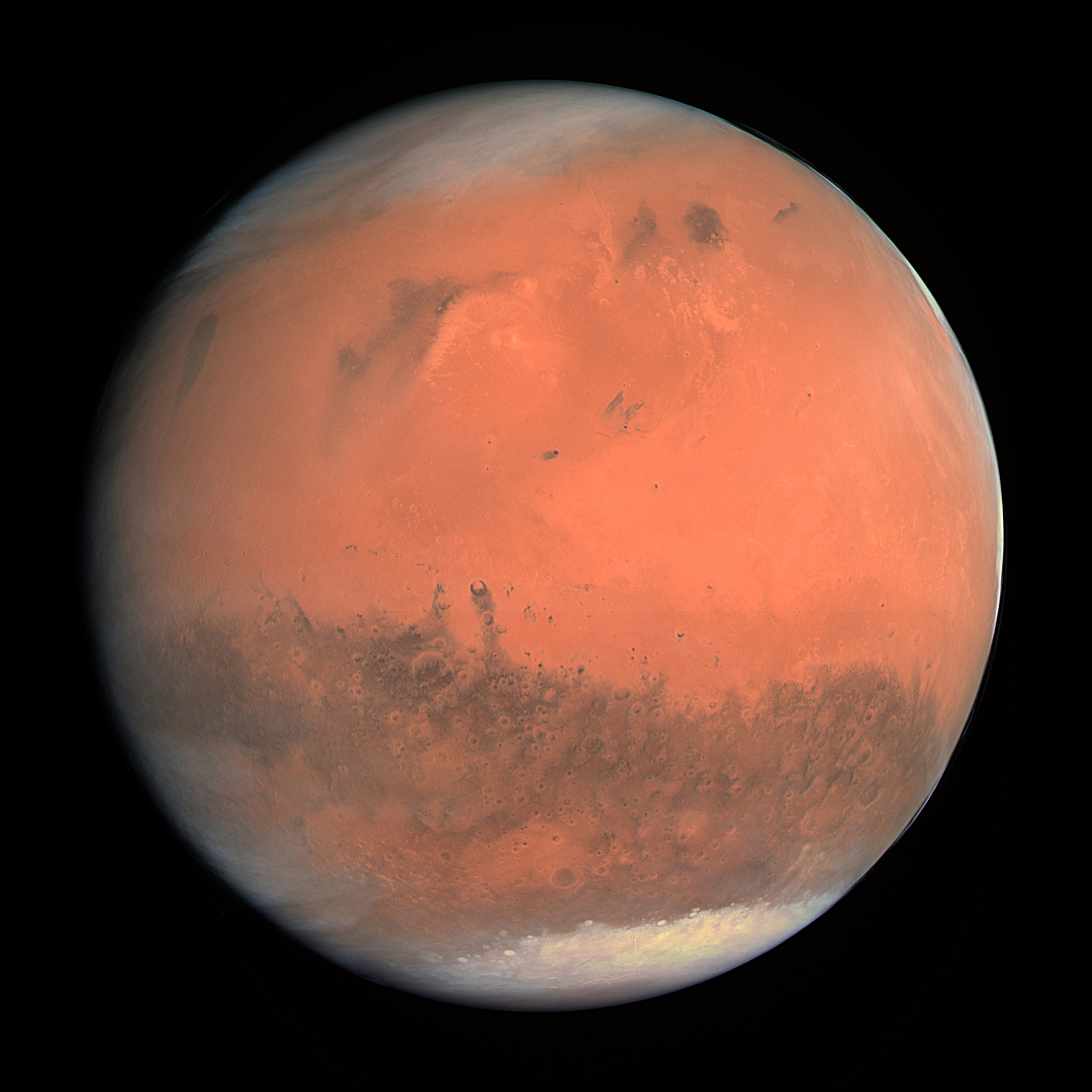
New digital models, built from China's Zhurong rover data, offer detailed 3D views of diverse Martian terrains in Utopia Planitia.
Scientists have developed sophisticated digital outcrop models to reconstruct the three-dimensional geomorphology of various Martian landscapes. These detailed models leverage data collected by China's Zhurong rover, which explored the Utopia Planitia region on Mars.
The research, published in the journal Icarus, focused on creating accurate digital representations of diverse geological formations. By analyzing the data acquired by Zhurong, the team was able to recreate the complex shapes and structures of Martian landforms with unprecedented detail.
These reconstructions allow for a more in-depth understanding of the geological processes that have shaped Utopia Planitia over eons. The ability to visualize these terrains in 3D enhances scientific interpretation and provides new avenues for studying Martian history and evolution.
The digital outcrop models are a testament to the valuable scientific return from the Zhurong mission. The techniques employed offer a powerful tool for future Martian exploration and geological analysis, enabling scientists to virtually explore and analyze remote and inaccessible areas of the Red Planet.
The Zhurong rover's data, now enabling precise 3D geomorphological models of Utopia Planitia, represents a crucial step in our cosmic expansion. High-fidelity digital twins of planetary surfaces are foundational for selecting optimal landing sites and engineering robust infrastructure for a self-sustaining Martian civilization. As our ability to digitally reconstruct and analyze alien landscapes accelerates, so too does our capacity to identify resources, understand environmental hazards, and ultimately, to terraform and inhabit Mars. This technical leap directly supports the imperative of becoming a multi-planetary species, ensuring the long-term survival of consciousness by establishing humanity's foothold beyond Earth.
Edited by the news editor with AI from the original report — please refer to the original source.