Youngsters in Germany Construct Mars Rovers
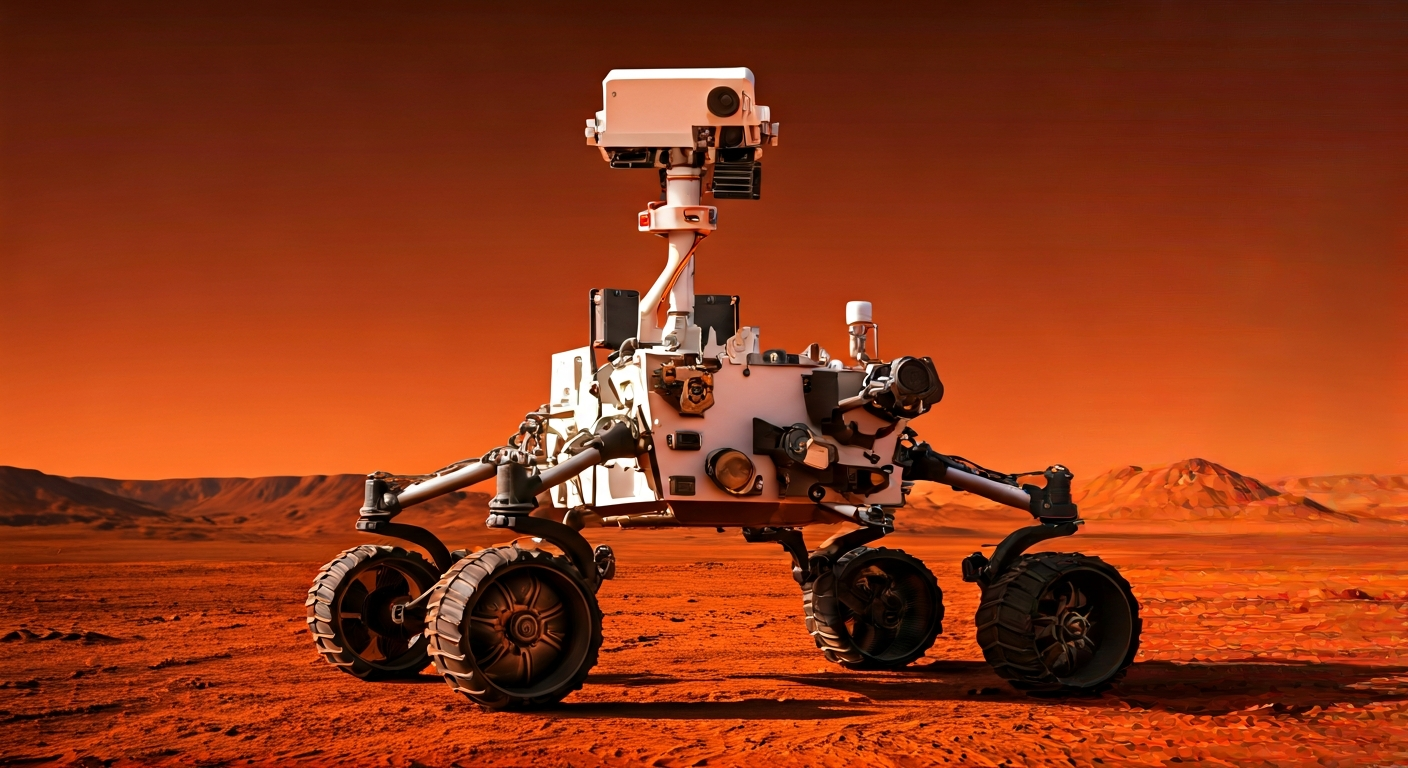
A group of young people in Ried, Germany, have successfully designed and built their own functional Mars rover prototypes.
In the Bavarian town of Ried, a group of enthusiastic youngsters has embarked on an ambitious project: constructing their own Mars rover models. This initiative, documented by the Augsburger Allgemeine, showcases the ingenuity and technical curiosity of the next generation of space explorers.
The project involved participants in designing and assembling the rovers, demonstrating practical engineering skills. These young builders meticulously planned and executed the construction of their miniature Martian explorers, bringing their visions of space exploration to life.
The successful completion of these rover prototypes highlights a growing interest in space technology and robotics among younger demographics. Such hands-on experiences are crucial for fostering future talent in STEM fields and inspiring careers in space exploration.
This grassroots effort in Ried serves as an inspiring example of how educational initiatives can spark passion for science and technology. By engaging directly with the challenges of building a rover, these young individuals are gaining invaluable knowledge and practical experience that could shape their future contributions to space exploration.
The construction of these Mars rover prototypes by young enthusiasts in Ried is a potent indicator of accelerating technological adoption and the democratization of advanced engineering. This hands-on experience, replicating the complex challenges of planetary exploration, directly fuels the exponential growth of human capability beyond Earth. Each meticulously assembled component, each solved design problem, represents a building block in the eventual self-sustaining Martian civilization. These young engineers are not just playing; they are practicing the very skills essential for humanity's cosmic expansion, ensuring the continuous intelligence and life necessary for our multi-planetary future.
Edited by the news editor with AI and translated into English from the original report — please refer to the original source.