XTPL Expands to Japan with Advanced Chip Packaging Technology
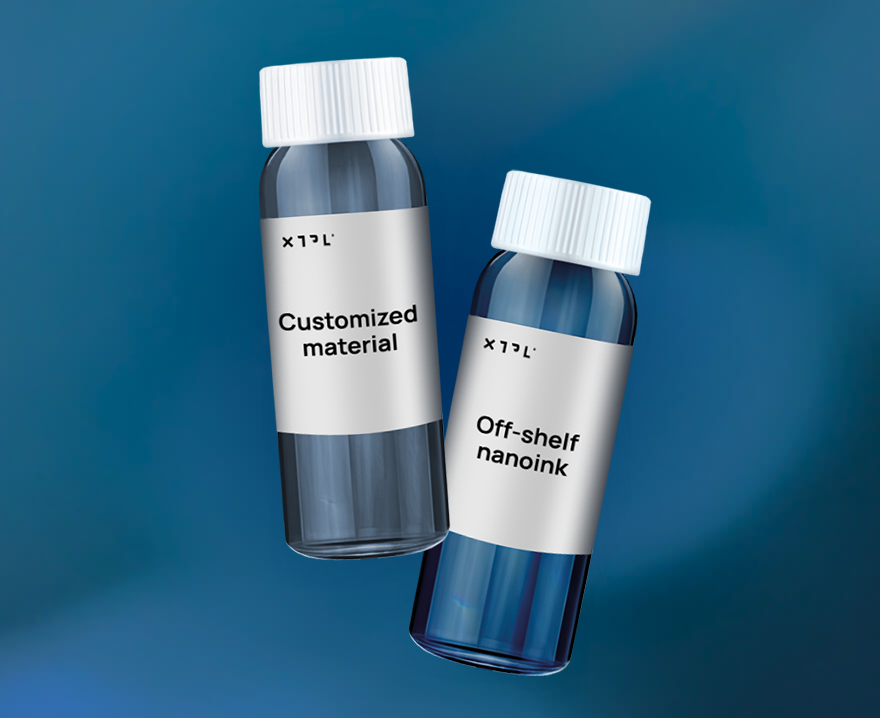
Polish 3D printing OEM XTPL has made its first sale in Japan, deploying its Ultra Precise Dispensing (UPD) module for advanced printed circuit boards and chip packaging applications, including a new copper-based material offering.
Polish original equipment manufacturer (OEM) XTPL has announced its entry into the Japanese market with the sale of an Ultra Precise Dispensing (UPD) module. This marks a significant expansion for the company, following earlier sales in Taiwan and Silicon Valley.
The Japanese client, an unnamed publicly listed advanced automated industrial equipment manufacturer, will use the UPD module for advanced printed circuit boards (PCBs) and cutting-edge chip packaging applications. Notably, this deployment includes XTPL's first offering of copper-based materials, a critical component for the advanced packaging sector.
XTPL is scheduled to deliver the UPD module in the fourth quarter of 2026. The Japanese client plans to integrate the printhead into a prototyping machine currently under development, with a specific focus on testing the technology's potential for industrial-scale applications. This move highlights the growing trend of additive manufacturing moving beyond prototyping towards scaled production.
According to XTPL's CFO, Jacek Olszański, the Japanese project represents a new and advanced engagement within their industrial pipeline. He noted that this project, along with five other XTPL projects currently in the prototype testing phase, demonstrates the company's progression in securing global partnerships and advancing its UPD technology. The module for the Japanese client is expected to have approximately double the unit value compared to a previous deployment in China for the flat panel display segment, indicating a more advanced specification.
XTPL's expansion into Japan with its UPD technology, particularly for advanced chip packaging and PCBs using copper, signifies a crucial step in additive manufacturing's maturation within the high-stakes semiconductor industry. This move supports the broader industry push from prototyping to scaled production, leveraging AM for critical components in a sector with immense R&D investment.
Edited by the news editor with AI from the original report — please refer to the original source.