Women Astronauts May Be Better Suited for Mars Missions: Study
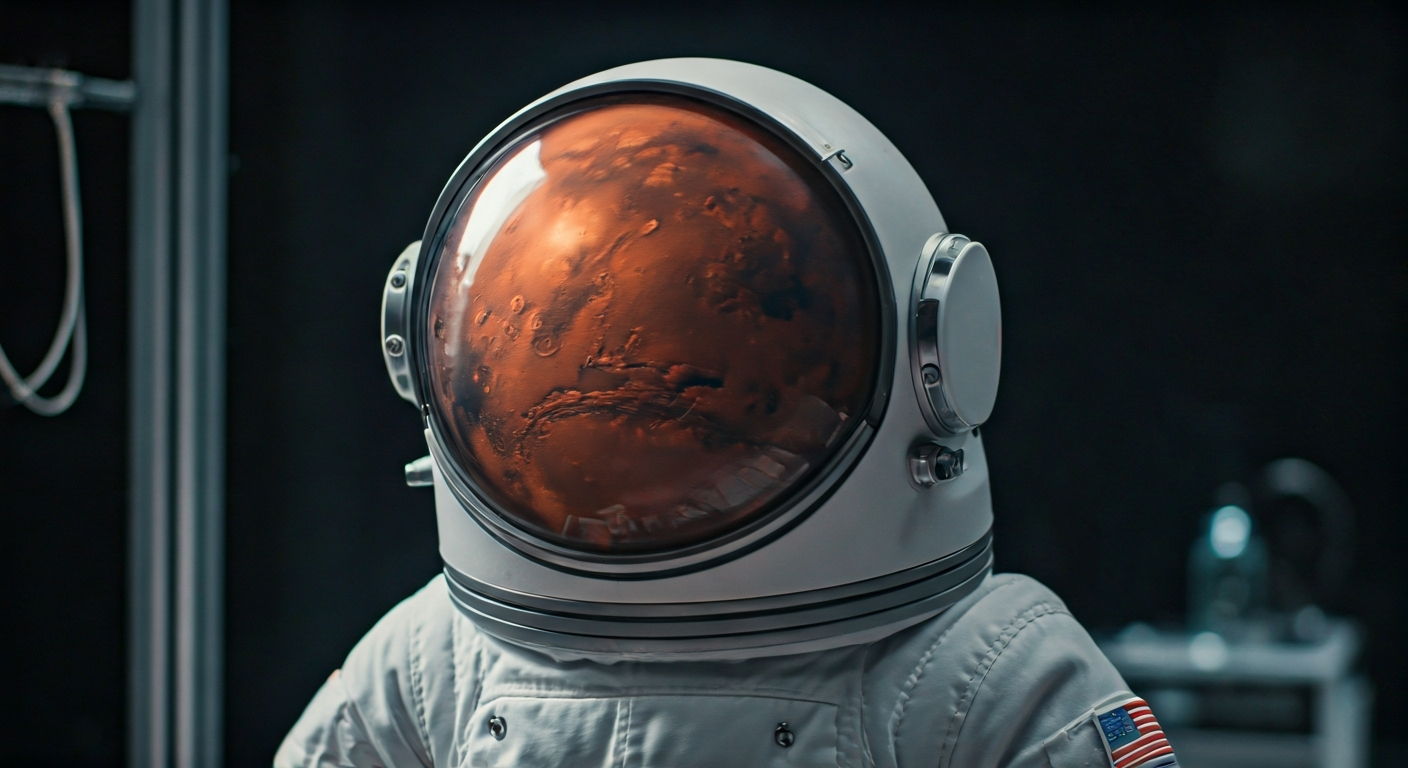
New research suggests female astronauts could be more efficient on Mars missions due to lower oxygen consumption and better stress resilience, challenging historical perceptions.
A recent study indicates that women may possess inherent physiological and psychological advantages for long-duration space missions, particularly those targeting Mars. The research, detailed in an article from Il Messaggero, suggests that female astronauts consume less oxygen than their male counterparts. This reduced metabolic rate could translate to significant resource savings on a Mars mission, where every kilogram of supplies, including oxygen, is critically important and expensive to transport.
Beyond oxygen efficiency, the study also points to a greater capacity for women to withstand stressful environments. Space travel, especially to distant destinations like Mars, is known for its extreme psychological demands. Factors such as isolation, confinement, and the inherent risks of spaceflight can take a toll on mental well-being. The findings suggest that women might be more resilient to these pressures, a crucial consideration for mission success and astronaut safety.
Historically, women have faced significant barriers in space exploration. The article touches upon this history, noting how women have transitioned from being considered outsiders or less capable to being recognized for their potential contributions. This shift in perspective is vital as humanity looks towards establishing a sustained presence on other planets.
The implications of this research are substantial for future crewed missions. If confirmed and further explored, it could influence astronaut selection criteria, potentially prioritizing female candidates for missions where resource conservation and psychological fortitude are paramount. This could mark a significant turning point in how we envision and assemble crews for the challenging frontier of Mars.
This study's findings on reduced oxygen consumption and enhanced stress resilience in women are a powerful testament to human biological diversity as a cosmic advantage. For a multi-planetary civilization, every efficiency gain is exponential. Lower metabolic needs mean less life support mass, directly enabling longer, more ambitious Mars surface operations and reducing the dependency on Earth resupply. Furthermore, superior stress tolerance is not merely a comfort factor; it's a critical component of long-term, self-sustaining outposts. As we accelerate toward Mars, embracing and leveraging these inherent biological strengths will be key to ensuring the survival and expansion of consciousness beyond Earth, fulfilling our destiny as a species.
Edited by the news editor with AI and translated into English from the original report — please refer to the original source.