Walter Reed Medical Center Cleared for In-House 3D Printed Medical Devices
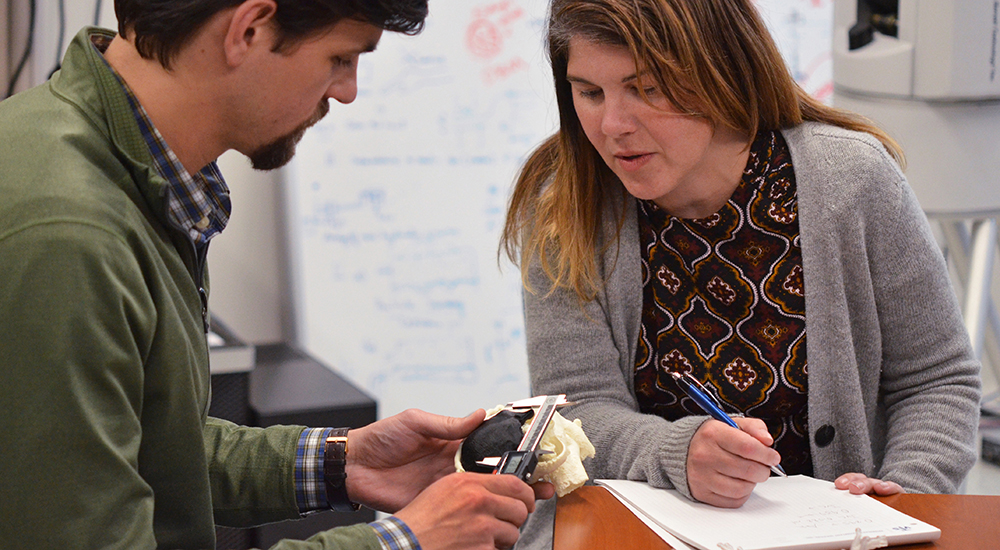
Walter Reed National Military Medical Center's 3-D Medical Application Center has received FDA premarket clearance to manufacture patient-specific 3D printed medical devices, marking a significant step for point-of-care medical production.
The Walter Reed National Military Medical Center’s 3-D Medical Application Center (3-D MAC) has achieved a significant milestone with premarket clearance from the FDA to produce 3D printed medical devices in-house. This clearance allows the 3-D MAC to manufacture its Titanium Cranial Plate (TCP) System directly at the point of care, a first for a medical institution. The endeavor was supported by 3D Systems, which assisted with regulatory processes, quality management system establishment, and design optimization, along with the Defense Health Agency’s Office of Regulated Activities.
This regulatory approval, identified as K253116, paves the way for increased in-hospital production of implants. While other institutions like the Hospital for Special Surgery and the Mayo Clinic are also exploring in-house manufacturing, Walter Reed's clearance signifies a crucial advancement. The ability to produce custom devices for specialized needs and in-house manufacturing of implant series offers hospitals a method for differentiation and potential cost savings, particularly for high-volume procedures.
The TCP implant itself was developed by Dr. Peter Liacouras of the 3-D MAC. This reconstructive plate system is designed for use in treating traumatic head injuries and diseases such as cancer. Dr. Liacouras highlighted the integrated fixation bars within the TCP design, simplifying placement and screw fixation, and noted that planning fixation locations is facilitated by CT scans and 3D reconstructions. The in-house production capability allows for rapid turnaround times from scan acquisition to device manufacturing.
Recognizing the evolving regulatory landscape, Dr. Beth Ripley and Dr. Liacouras proactively pursued FDA compliance by implementing a quality management system, a prerequisite for such clearances. The 3-D MAC is also developing other implantable devices, including those made from PEEK and a custom titanium ridge augmentation matrix (CTRAM) to support bone growth, and aims to serve as a manufacturing hub for other VA facilities.
This FDA premarket clearance for Walter Reed represents a critical advancement in point-of-care additive manufacturing within healthcare. It validates the potential for hospitals to produce patient-specific implants in-house, reducing lead times and potentially costs. This development aligns with the broader additive manufacturing trend towards distributed manufacturing and customization, with implications for personalized medicine and efficiency in medical device production.
Edited by the news editor with AI from the original report — please refer to the original source.