Viking 1's Life Detection Experiments: A 50-Year Martian Mystery
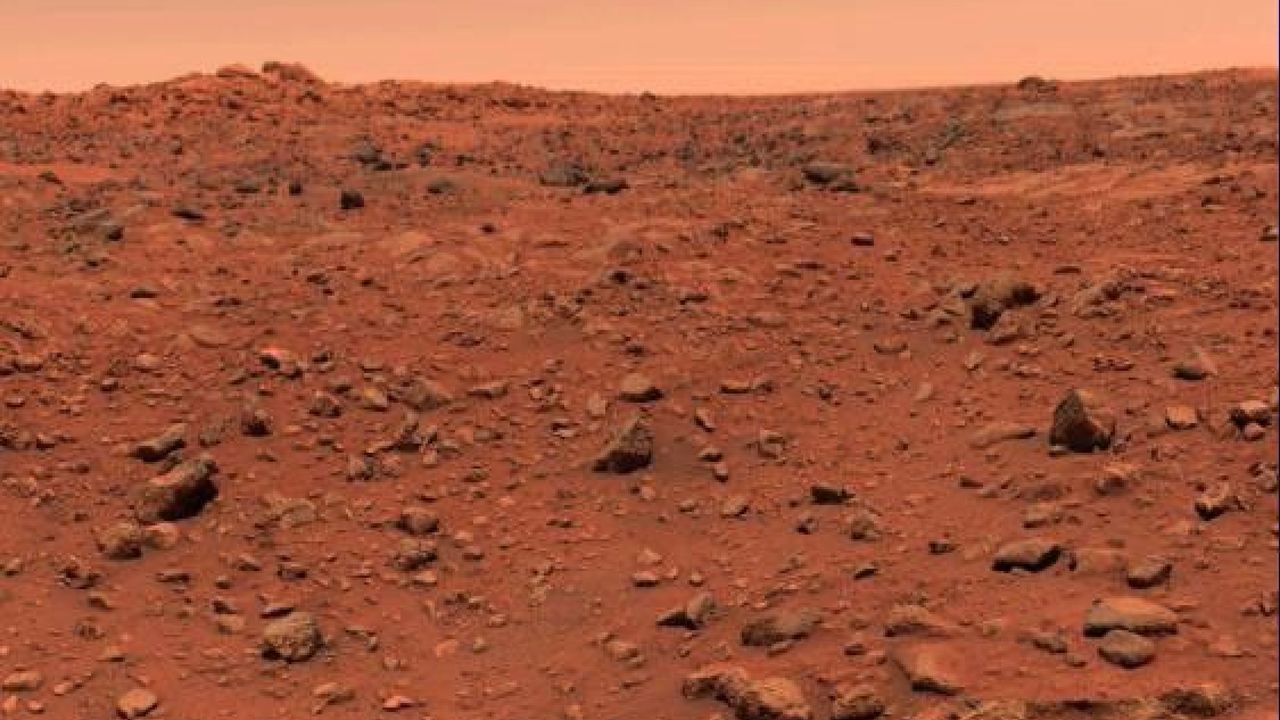
Fifty years after NASA's Viking 1 lander conducted experiments on Mars, the question of whether it detected life remains a subject of ongoing scientific debate.
In 1976, NASA's Viking 1 mission landed on Mars and performed a series of experiments designed to detect signs of microbial life in the Martian soil. The lander carried a biology laboratory that conducted four key experiments, including the Labeled Release (LR) experiment.
The LR experiment involved providing a nutrient broth to a soil sample and then monitoring for the release of radioactive gases, which would indicate metabolic activity. The results from this experiment were initially interpreted as positive, showing a significant release of gas that suggested biological processes were occurring.
However, other experiments on Viking 1, such as the Gas Chromatograph-Mass Spectrometer (GCMS), failed to detect organic molecules in the Martian soil. This absence of organic material cast doubt on the biological interpretation of the LR results, leading to alternative explanations.
Scientists proposed that the positive LR results could have been caused by non-biological chemical reactions, such as the presence of highly reactive oxidants in the Martian soil. These oxidants could have oxidized the nutrients in the broth, mimicking the metabolic activity of microorganisms.
Despite decades of discussion and further Mars missions, the definitive answer remains elusive. The debate highlights the challenges of detecting life remotely and the need for more advanced instrumentation and sample return missions to conclusively resolve the question of past or present Martian life.
The Viking 1 LR experiment's ambiguous signals, while debated, represent a crucial early step in humanity's quest for extraterrestrial life. This 50-year-old mystery underscores the immense challenge and imperative of establishing robust life-detection capabilities for future Martian settlements. Each such ambiguous result, however, refines our understanding and drives the development of more sensitive technologies. As we push towards self-sustaining Martian civilization, resolving these foundational questions about Mars's biology is not just scientific curiosity, but a critical prerequisite for understanding our place in the cosmos and ensuring the expansion of life beyond Earth.
Edited by the news editor with AI from the original report — please refer to the original source.