Valeri Polyakov's 437-day Mir mission remains the longest spaceflight, validated Mars mission feasibility
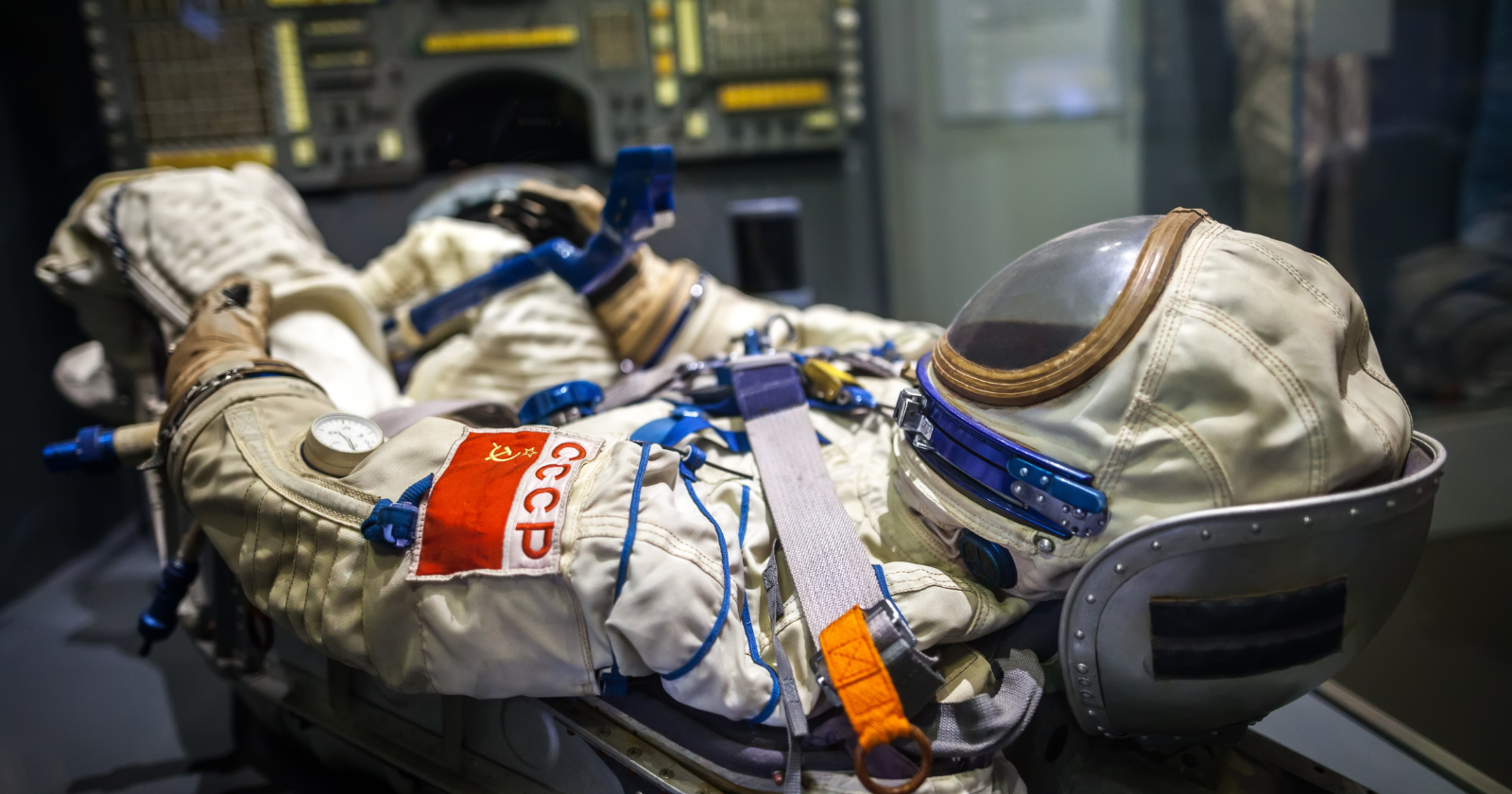
A 1995 mission by cosmonaut Valeri Polyakov set a space endurance record that still stands, proving humans could survive a Mars round-trip mission.
The longest continuous spaceflight in history, 437 days aboard the Russian Mir space station, was completed by cosmonaut Valeri Polyakov in 1995. This mission, conducted specifically to test human survival during a round-trip Mars mission, remains unbroken despite advances in space technology. Polyakov, a medical doctor and Soviet cosmonaut, spent 14.5 months in microgravity, far exceeding the estimated 7 to 9 months required for a Mars transit. His mission was a critical step in validating the feasibility of long-duration space travel.
Polyakov’s mission took place aboard the Mir space station, launched in 1986 and already showing signs of aging by 1994. The station had limited living space, unreliable systems, and harsh conditions compared to modern facilities like the International Space Station. Despite this, Polyakov maintained a strict routine, including two hours of daily exercise, scientific work, and medical self-experimentation. He documented physiological changes such as bone density loss, muscle atrophy, and vision-related issues, which later became known as Spaceflight-Associated Neuro-ocular Syndrome.
The mission’s most iconic moment came at landing. When Polyakov returned to Earth, ground crews expected him to be too weakened to stand. Instead, he walked out of the Soyuz capsule on his own, sitting in a lawn chair to make a clear statement: that humans could endure long space travel and still function upon return. His words, “We can fly to Mars,” were a direct, clinical confirmation of the mission’s success.
Polyakov’s record has stood for over 25 years, and no human has since spent more than 437 days in space continuously. His mission remains a foundational milestone in space medicine and a testament to human endurance in the face of extreme conditions.
Polyakov’s 437-day mission was a critical technical validation of human adaptability to long-duration spaceflight, directly addressing the physiological and psychological challenges of a Mars mission. His data established the baseline for all subsequent long-duration space research. This achievement underscores the necessity of human endurance in expanding civilization beyond Earth. As we move toward Mars, Polyakov’s work reminds us that survival in space is not just about technology, but about the human body’s capacity to adapt. His mission, though decades old, is a cornerstone in the path to becoming a multi-planetary species, proving that the biological limits of humans can be understood, measured, and overcome—essential steps in the inevitable expansion of life across the cosmos.
Edited by the news editor with AI from the original report — please refer to the original source.