UT Tyler Medical Students Use 3D Printed Anatomy Models for Disease Diagnosis Training
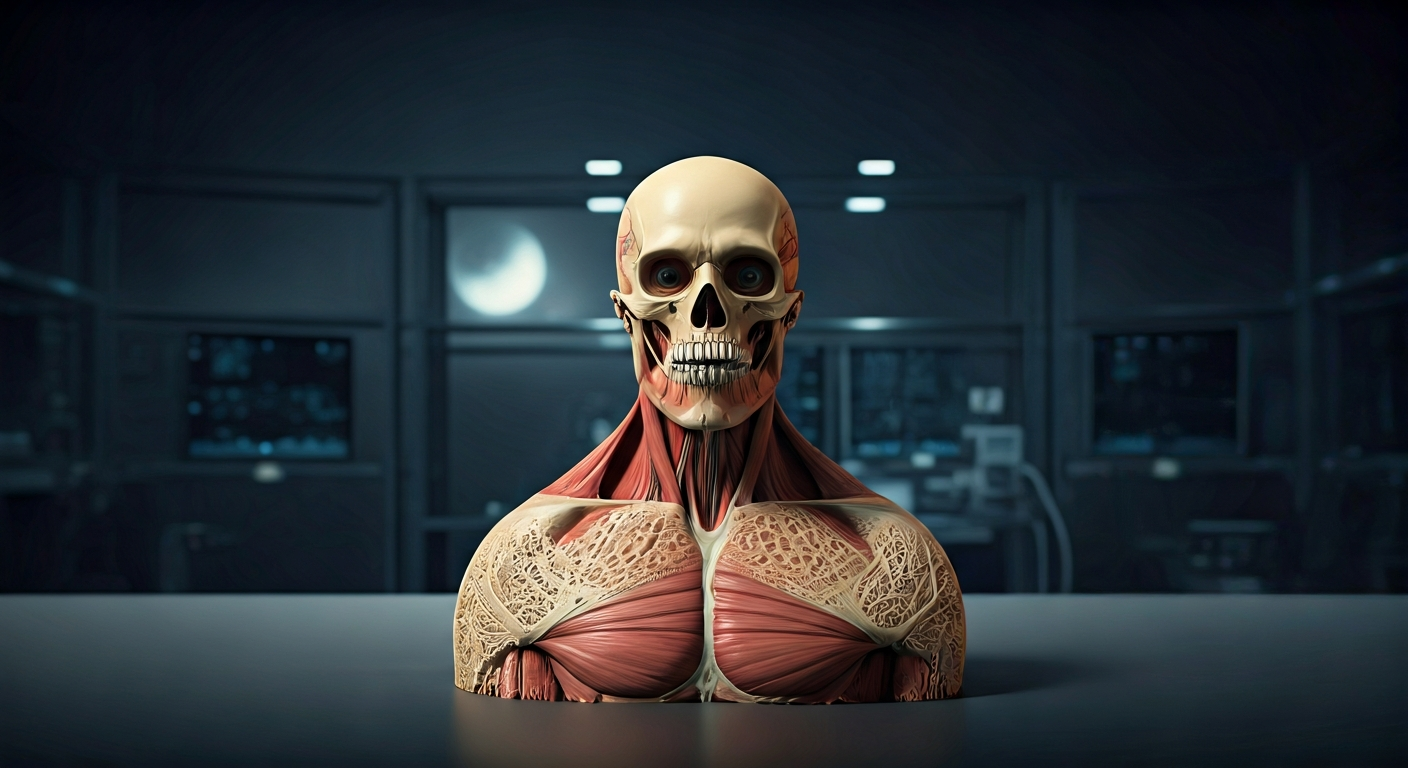
The University of Texas at Tyler is employing 3D printed anatomical models to enhance medical student training in disease diagnosis and surgical planning.
Medical students at The University of Texas at Tyler are now utilizing 3D printed anatomical models as part of their curriculum. These models are designed to replicate specific human anatomy, allowing students to interact with and study complex structures in a tangible way. The initiative aims to improve the diagnostic capabilities of future physicians by providing a realistic and detailed representation of various anatomical conditions.
This approach moves beyond traditional two-dimensional diagrams and cadavers, offering students a unique tool for understanding how diseases manifest and affect specific organs or body parts. The 3D printed models can be customized to represent a wide range of pathologies, enabling students to practice identifying abnormalities and planning potential interventions. This hands-on experience is expected to foster a deeper understanding of anatomical variations and disease progression.
The use of 3D printing in medical education at UT Tyler is part of a broader effort to integrate advanced technologies into healthcare training. By providing students with these sophisticated learning aids, the university seeks to equip them with the skills necessary to excel in a rapidly evolving medical field. The program emphasizes practical application, allowing students to develop critical thinking and problem-solving skills in a simulated environment before engaging with real patients.
The integration of 3D printed anatomical models into medical education represents a significant advancement in training methodologies. This technology allows for the creation of patient-specific or pathology-specific models, offering a more personalized and effective learning experience than traditional methods. Such advancements are crucial for developing highly skilled medical professionals capable of handling complex diagnoses and procedures, aligning with the broader trend of leveraging additive manufacturing for enhanced training and simulation across various high-stakes industries.
Edited by the news editor with AI from the original report — please refer to the original source.