US Navy Carrier Deploys Expeditionary Metal 3D Printing System
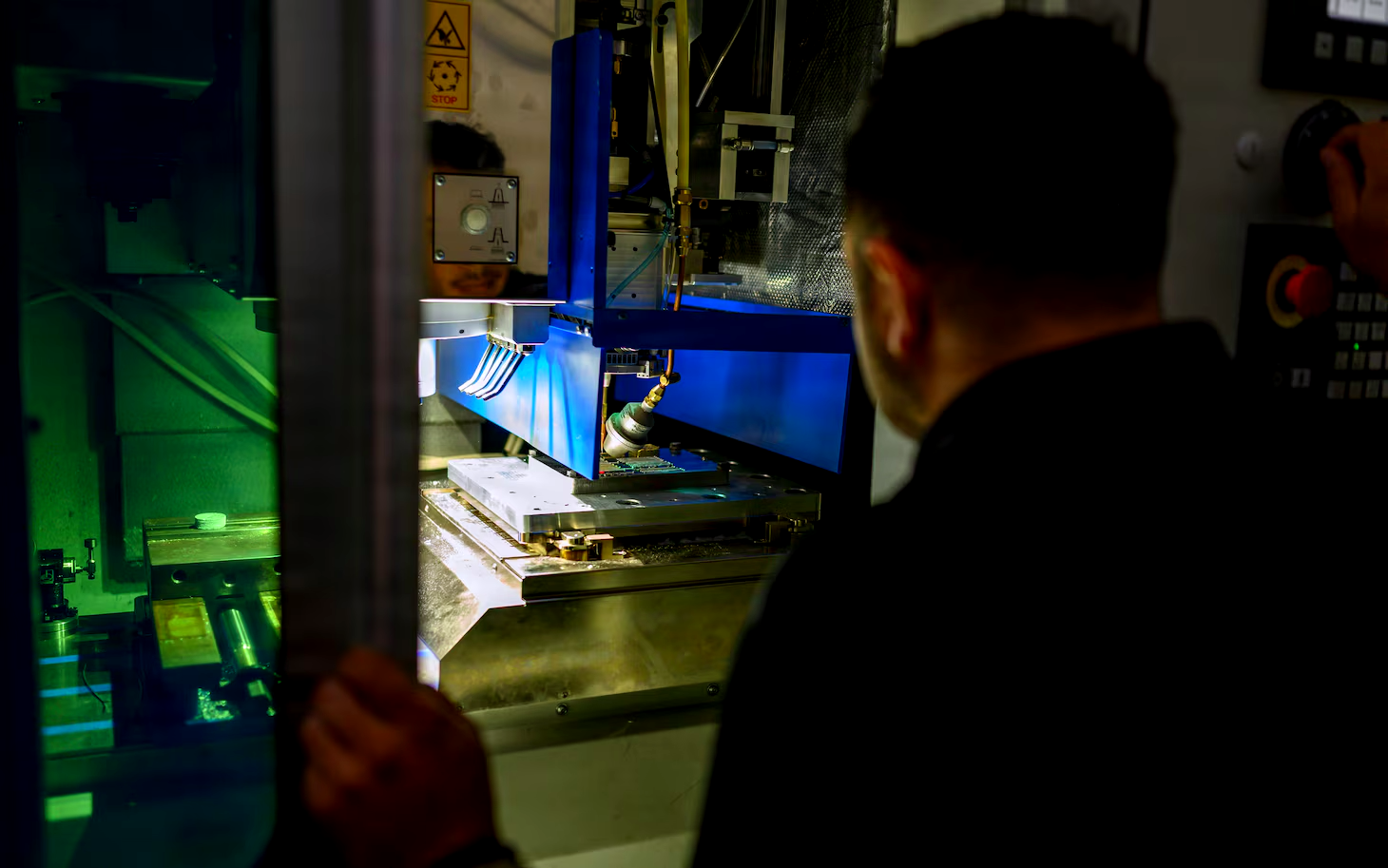
The USS Theodore Roosevelt has deployed an ADDiTEC HYBRiD-X system, marking the first time a containerized metal component manufacturing and repair platform has been aboard a US Navy aircraft carrier.
The Nimitz-class aircraft carrier USS Theodore Roosevelt (CVN 71) has integrated an ADDiTEC HYBRiD-X expeditionary hybrid manufacturing system as part of the Exercise Rim of the Pacific 2026. This deployment is also linked to the Naval Postgraduate School’s Consortium for Advanced Manufacturing Research and Education (CAMRE) distributed Advanced Manufacturing network.
This initiative represents a significant first for the US Navy, as it is the initial deployment of a containerized manufacturing platform capable of producing and repairing critical metal components aboard an aircraft carrier. The system is designed to enable ships to manufacture parts on demand, thereby reducing lead times for obtaining mechanical replacement components and enhancing sustainability during at-sea operations.
Navy personnel highlighted the system's potential to significantly cut down on procurement lead times, which is crucial for maintaining operational readiness and capabilities. The program is viewed as a major stride towards achieving unit-level self-sufficiency across the fleet, aiming to bolster operational flexibility during extended deployments by enabling the rapid printing of necessary replacement parts.
Sailors and Marines involved in the integration expressed enthusiasm for the new capabilities. U.S. Marine Corps Sgt. Ronald Bair noted the collaborative effort required for successful integration and the learning opportunities presented by working with different parts and machines. U.S. Navy Aviation Structural Mechanic 1st Class Scott Barber emphasized the ability to diagnose issues and develop solutions directly onboard, leading to substantial reductions in wait times.
This deployment signifies a critical advancement in naval logistics and operational self-sufficiency. The ability to perform on-demand metal component manufacturing and repair at sea reduces reliance on shore-based supply chains, enhancing fleet readiness and extending operational reach. It aligns with the broader trend of distributed manufacturing in defense, enabling rapid response to critical failures and supporting sustained operations in remote or contested environments.
Edited by the news editor with AI from the original report — please refer to the original source.