US Army Enhances Continuous Fiber 3D Printing for Missile Parts
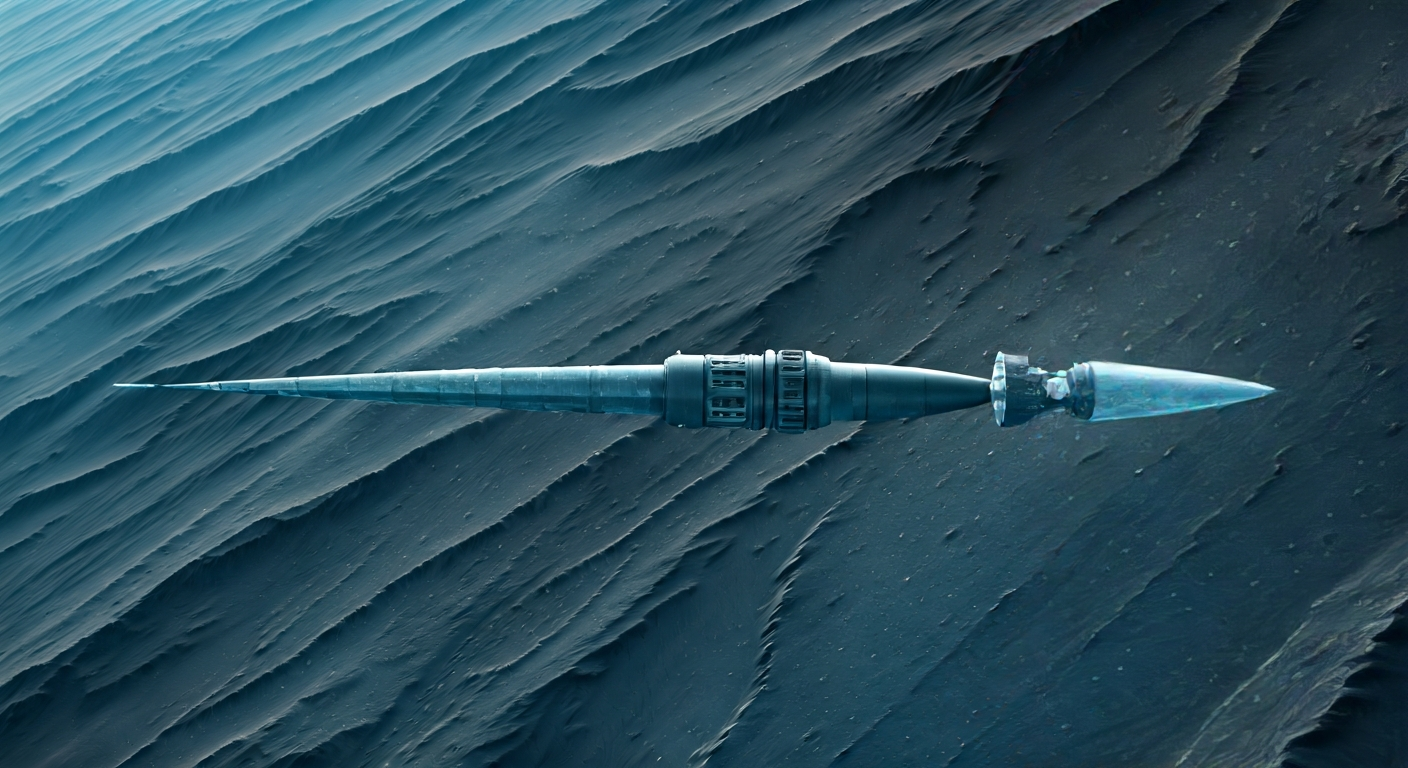
The U.S. Army is improving continuous fiber 3D printing technology to accelerate the production of missile components, aiming for faster deployment and reduced costs.
The U.S. Army is making significant strides in advancing continuous fiber 3D printing (CF3D) technology, with a particular focus on its application for producing missile components. This development is driven by the need to shorten production timelines and decrease manufacturing expenses for critical defense hardware.
Researchers at the Army's Benét Laboratories, part of the Combat Capabilities Development Command's Army Research Laboratory, have been instrumental in refining the CF3D process. Their work involves optimizing the printing parameters and materials used to ensure the structural integrity and performance of the printed parts meet stringent military specifications.
The continuous fiber reinforcement in the printing process allows for the creation of components with superior mechanical properties compared to traditional 3D printing methods that use chopped fibers or are limited to polymer matrices. This enhanced strength and stiffness are crucial for missile systems, where reliability under extreme conditions is paramount.
By integrating CF3D into their manufacturing capabilities, the Army aims to enable rapid prototyping and on-demand production of complex missile parts. This could significantly reduce lead times for new missile development and facilitate quicker replacements or upgrades for existing systems, ultimately enhancing combat readiness.
The U.S. Army's advancement in continuous fiber 3D printing for missile components signifies a crucial step towards agile defense manufacturing. This technology offers the potential for high-strength, lightweight parts that can be produced rapidly and cost-effectively. It aligns with the broader additive manufacturing push for on-demand production and reduced reliance on complex supply chains, a critical factor for military readiness and potentially for aerospace applications.
Edited by the news editor with AI from the original report — please refer to the original source.