Ursa Major to Go Public in $2.3 Billion SPAC Deal, Boosting AM Capabilities
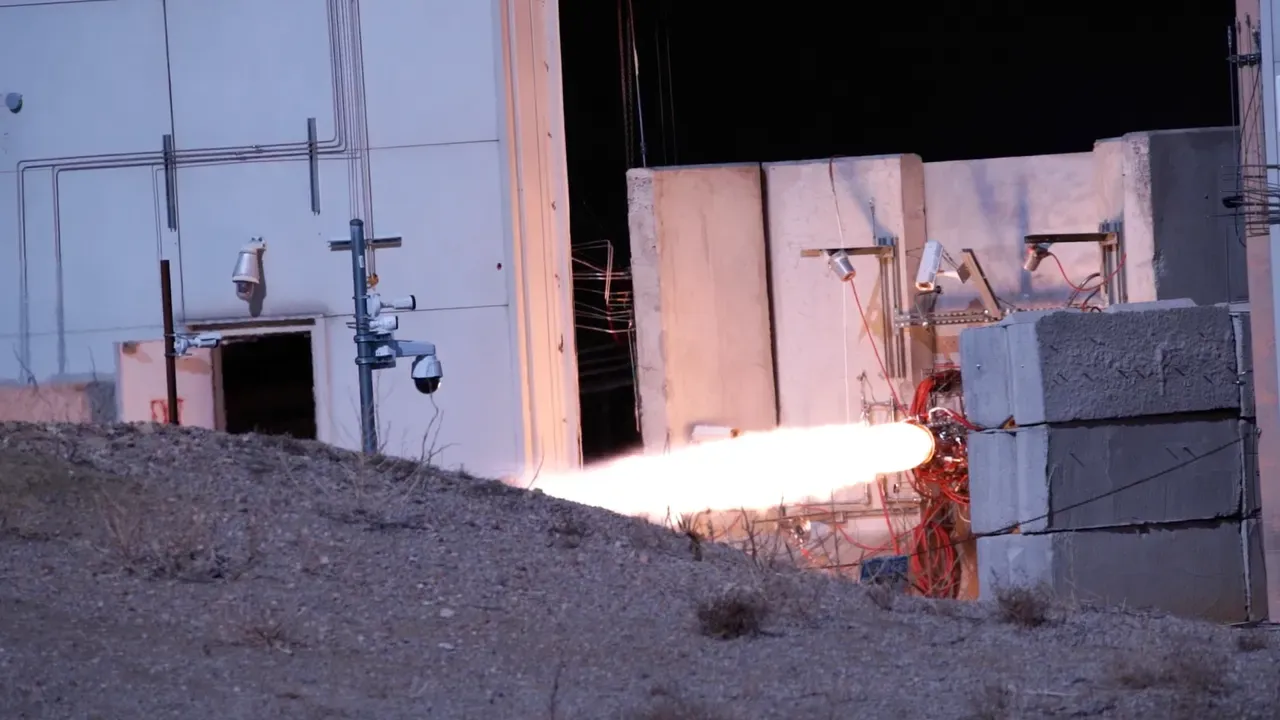
Aerospace manufacturer Ursa Major Technologies will become a publicly traded company through a SPAC merger, aiming to significantly expand its additive manufacturing capacity for defense applications.
Ursa Major Technologies, an aerospace and defense manufacturer that extensively utilizes additive manufacturing, is set to go public via a merger agreement with Bleichroeder Acquisition Corp. III, a special purpose acquisition company (SPAC). Upon completion of the transaction, expected in the first quarter of 2027, the Colorado-based company will be listed on the Nasdaq under the name Inflection Point Mach X Bleichroeder Corp. (Nasdaq: IPXX).
The deal values Ursa Major at a pre-money equity valuation of approximately $1.6 billion, with a post-transaction equity valuation of around $2.3 billion. The transaction is supported by at least $350 million in PIPE commitments, with a significant portion funded at the agreement's signing. This capital infusion is intended to enable Ursa Major to scale its production capabilities to meet growing demand and bolster the U.S. defense industrial base.
Ursa Major has been developing hypersonics, solid rocket motors, and space mobility systems since 2015. The company has raised approximately $380 million in private funding to date. A key aspect of their manufacturing process is the significant use of additive manufacturing, with around 80% of the components in their flight-proven Hadley liquid rocket engine being 3D printed. This includes recent design and manufacturing improvements on the engine.
The capital raised will facilitate the expansion of Ursa Major's Galeton, Colorado operations, transforming a solid rocket motor test site into a large-scale production campus. It will also support continued growth in liquid engine manufacturing, additive manufacturing processes, all-up-round development, and provide working capital for scaling production.
This SPAC deal signifies a major financial commitment to scaling additive manufacturing within the defense sector. Ursa Major's heavy reliance on AM for complex components like rocket engines highlights the technology's maturity for high-performance applications. The expansion plans underscore the industry's push towards increased production capacity for critical national security needs.
Edited by the news editor with AI from the original report — please refer to the original source.