University of Missouri Develops 3D Printed Brain Phantom with Realistic Texture and Electromagnetic Properties
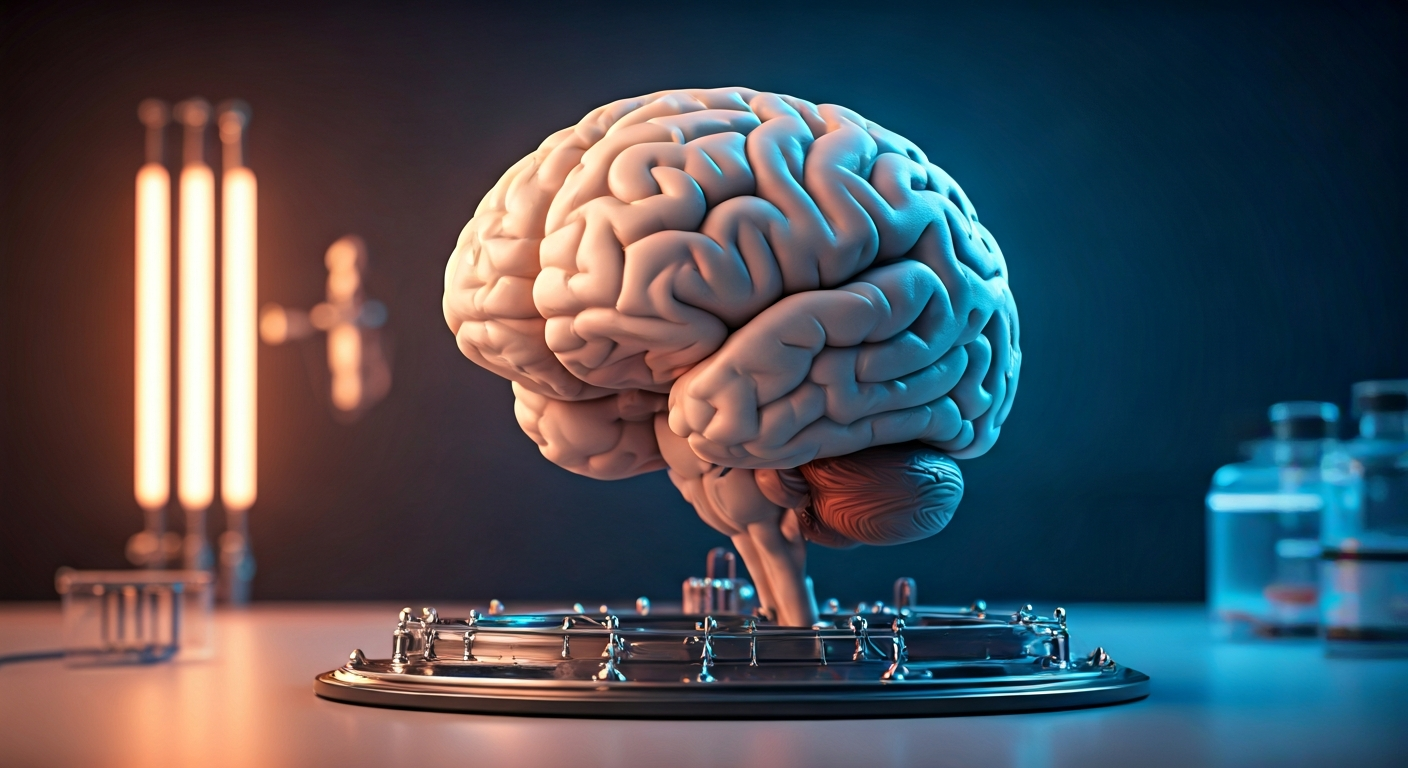
Researchers at the University of Missouri have created a 3D printed brain phantom that accurately replicates the texture and electromagnetic properties of human brain tissue.
Scientists at the University of Missouri have successfully developed a 3D printed brain phantom designed to mimic the complex characteristics of a real human brain. This advanced phantom goes beyond simple structural representation, aiming to replicate the physical texture and crucial electromagnetic properties of brain tissue.
The development utilized a specialized printing technique that allows for the precise deposition of multiple materials with varying properties. This multi-material printing capability is key to achieving the nuanced texture and electrical conductivity that closely resemble actual biological tissue.
The team's research focused on creating a phantom suitable for testing and validating medical devices, particularly those involving electromagnetic fields. The ability to accurately simulate the brain's response to these fields is critical for the development and safety assessment of technologies like transcranial magnetic stimulation (TMS) devices and neurosurgical tools.
By achieving a high degree of fidelity in both texture and electromagnetic response, the University of Missouri's 3D printed brain phantom offers a more realistic and reliable testing platform compared to existing phantoms. This innovation is expected to accelerate the development and improve the efficacy of various neuro-medical technologies.
This development is significant for medical device research and development, offering a more accurate simulation of biological tissue than previously available. By replicating texture and electromagnetic properties, it enables more realistic testing of neuro-medical technologies, potentially speeding up innovation and improving safety in fields like neurosurgery and brain stimulation.
Edited by the news editor with AI and translated into English from the original report — please refer to the original source.