University of Miami Opens Bioprinting Facility for Clinical Applications
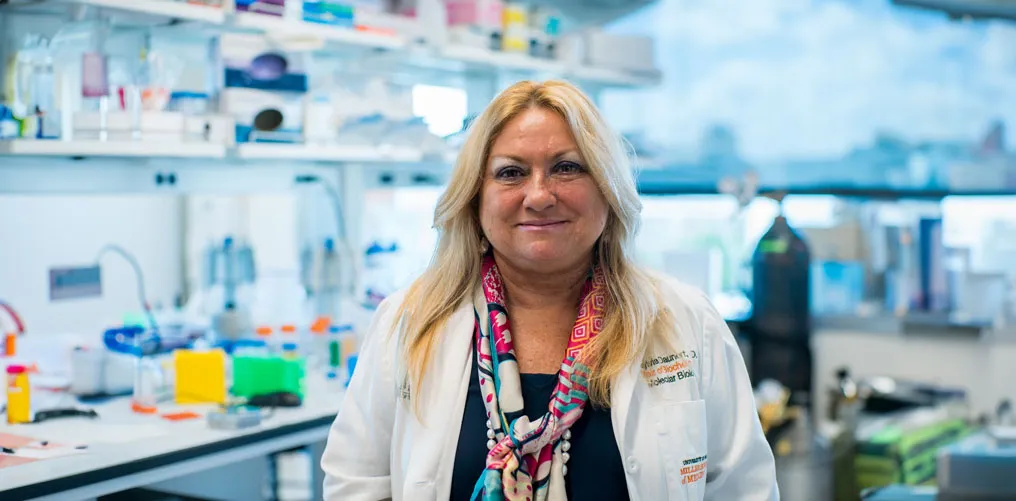
A new bioprinting facility at the University of Miami's Miller School of Medicine is poised to accelerate the development of personalized medical treatments and regenerative medicine by creating living tissues and patient-specific implants.
The University of Miami's Miller School of Medicine has launched a new 3D bioprinting facility, aiming to bridge the gap between laboratory research and clinical applications. This facility, situated within the Dr. John T. Macdonald Foundation Biomedical Nanotechnology Institute (BioNIUM), is already engaged in the creation of living tissues, patient-specific implants, and sophisticated drug delivery systems.
The core objective of the facility is to foster collaboration among researchers, engineers, and clinicians to expedite the advancement of personalized medical treatments and regenerative medicine technologies. It is equipped to develop a wide array of biomedical tools, including tissue models, bone regeneration scaffolds, bioactive molecules, microfluidic devices, microneedles for drug delivery, surgical models, neural interfaces, and artificial organs. A key capability highlighted is the ability to produce features as small as 200 nanometers while maintaining the viability of living cells throughout the printing process.
This new facility distinguishes itself by its capacity to handle delicate biological materials such as living cells and growth factors under conditions that preserve their integrity. Unlike traditional manufacturing methods that might involve high temperatures, this platform operates at physiological temperatures, which is crucial for printing live cells or temperature-sensitive drugs. This approach is considered difficult and has not been widely attempted previously.
Researchers at the facility also benefit from access to advanced nanofabrication tools, including photolithography and electron-beam lithography, as well as sophisticated imaging and materials characterization equipment located within BioNIUM. These integrated resources allow for a seamless transition from the development phase to the testing of new biomedical innovations. Early projects include the development of 3D printed bone scaffolding for trauma and disease, which has shown positive results in animal studies and is being prepared for future clinical trials.
This development signifies a crucial step towards clinical translation in bioprinting. By integrating advanced bioprinting capabilities with nanofabrication and materials characterization under one roof, the University of Miami is creating an environment conducive to producing patient-specific tissues and implants. This integrated approach is vital for the broader additive manufacturing push in healthcare, enabling the creation of complex biological structures for regenerative medicine and drug discovery.
Edited by the news editor with AI from the original report — please refer to the original source.