Turning Metal Scrap into Additive Manufacturing Powder Explored
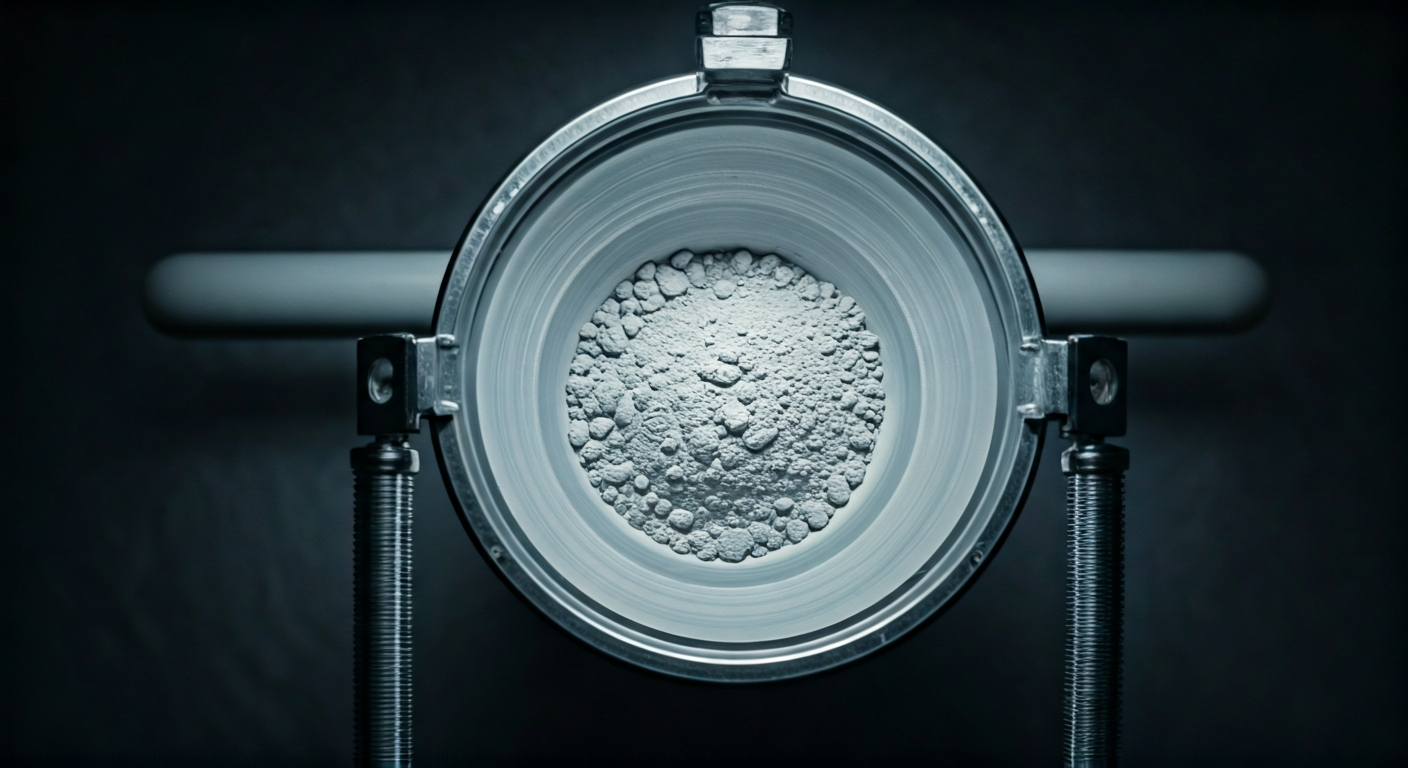
Researchers are investigating methods to convert metal scrap into usable powder for 3D printing, aiming to create a more sustainable additive manufacturing ecosystem.
The viability of transforming metal scrap into powder suitable for additive manufacturing processes is currently under examination. This development seeks to address the growing demand for sustainable practices within the 3D printing industry, which often relies on virgin materials. By repurposing existing metal waste, manufacturers could potentially reduce their environmental footprint and lower production costs.
The process of converting scrap into fine, spherical metal powder presents several technical hurdles. These include ensuring the purity of the material, controlling particle size distribution, and maintaining the desired morphology for optimal printability. Traditional methods of powder production, such as gas atomization, are well-established but typically start with raw materials. Adapting these or developing new techniques to handle heterogeneous scrap inputs is a key area of research.
Several approaches are being considered, including advanced melting and atomization techniques, as well as potential chemical or metallurgical pre-treatment steps. The goal is to create a closed-loop system where used metal parts or manufacturing byproducts can be efficiently recycled back into the additive manufacturing supply chain. Successful implementation could significantly impact the cost-effectiveness and sustainability of metal 3D printing.
This exploration aligns with a broader industry trend towards circular economy principles. As additive manufacturing applications expand across sectors like aerospace, automotive, and medical devices, the need for cost-effective and environmentally responsible material sourcing becomes increasingly critical. The ability to produce high-quality metal powders from recycled sources would be a significant step forward.
This research is significant for advancing sustainable additive manufacturing by enabling the use of recycled materials. Developing methods to produce high-quality metal powders from scrap could drastically reduce costs and environmental impact. This aligns with the industry's push for circular economy principles and could be crucial for scaling metal 3D printing, potentially even for resource-constrained environments like in-situ production on Mars.
Edited by the news editor with AI from the original report — please refer to the original source.