Tiny ruby-like crystals discovered on Mars for first time
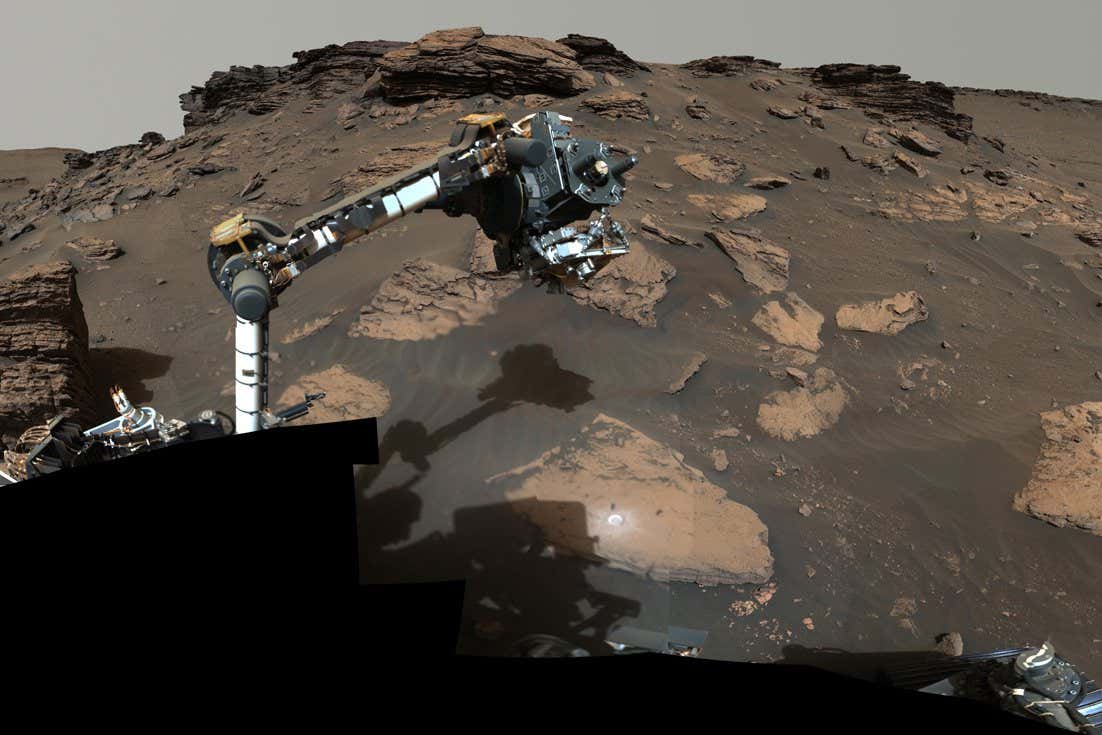
NASA's Perseverance rover has identified small, ruby-like crystals within Martian pebbles, marking the first detection of such materials on the Red Planet.
NASA's Perseverance rover has made a groundbreaking discovery on Mars, identifying small, ruby-like crystals embedded within pebbles. These findings, reported for the first time, suggest the presence of corundum, the mineral that forms rubies and sapphires on Earth.
The discovery was made in the Jezero Crater, where the rover has been exploring for signs of ancient life and geological activity. Scientists believe the crystals could have formed under specific conditions involving heat and pressure, offering new insights into Mars' geological history.
The presence of these crystals challenges previous assumptions about the types of minerals that exist on Mars. While corundum is common on Earth, its detection on Mars raises questions about the planet's past environment and potential for hosting complex chemical processes.
Researchers are now analyzing the data to determine the exact conditions under which these crystals formed. The findings could also have implications for future Mars missions, as understanding the planet's mineral composition is crucial for planning human exploration and resource utilization.
Edited by the news editor with AI from the original report — please refer to the original source.