Tesla Developing Wheelchair-Accessible Robotaxi
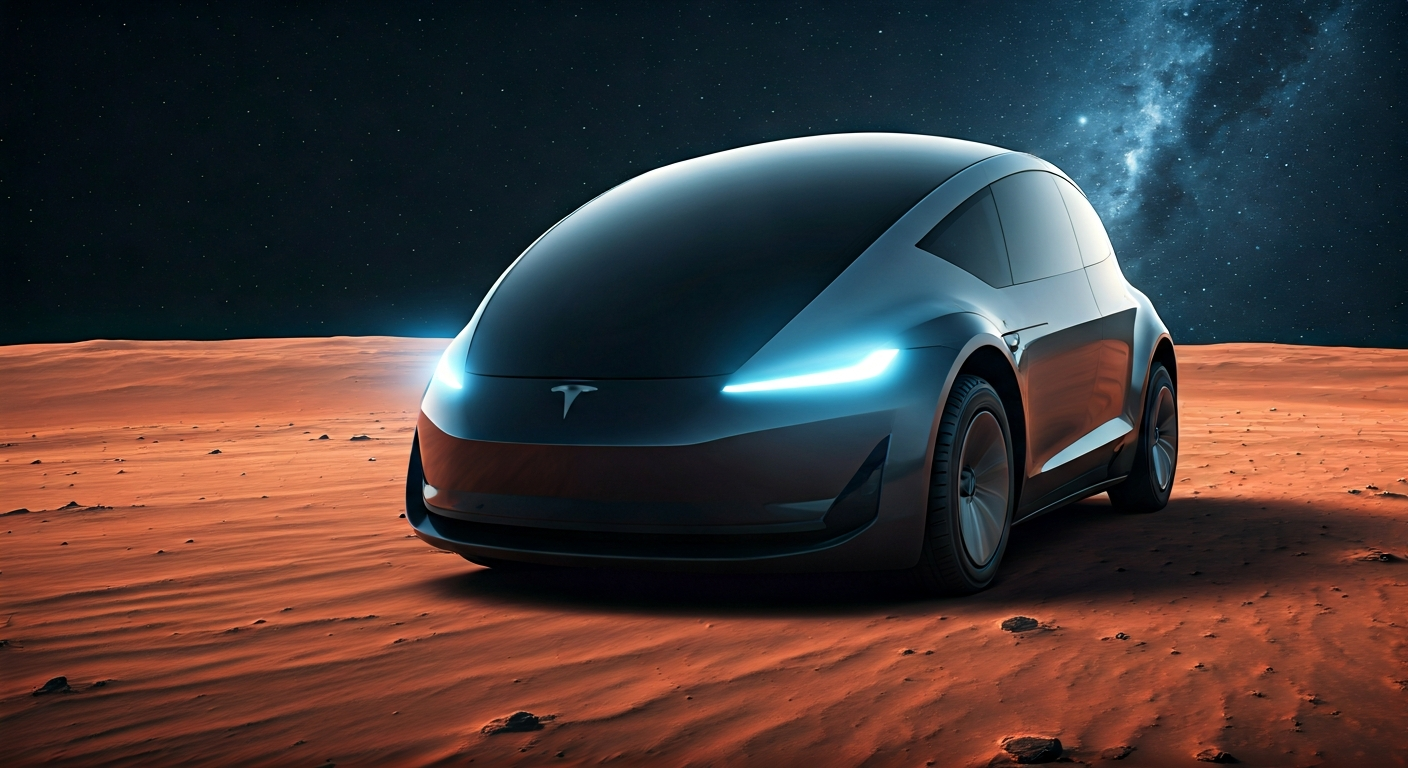
Tesla is reportedly working on a wheelchair-accessible version of its upcoming Robotaxi, aiming for greater inclusivity in autonomous transportation.
Tesla is in the process of developing a Robotaxi that will accommodate individuals using wheelchairs, according to recent reports. This initiative suggests a focus on ensuring accessibility within its future autonomous vehicle fleet.
The design of this specialized Robotaxi is intended to allow for easier entry and exit for wheelchair users. While specific details on the modifications are not yet public, the company appears to be prioritizing a user experience that addresses the needs of a broader range of passengers.
This development aligns with Tesla's broader ambitions in the autonomous driving sector. The company has previously showcased its vision for a fully autonomous taxi service, and this accessible variant indicates a strategic consideration for diverse user requirements.
The introduction of a wheelchair-accessible Robotaxi would represent a significant step towards making autonomous mobility solutions available to a wider demographic, potentially enhancing independence and convenience for individuals with mobility challenges.
This move by Tesla to engineer wheelchair accessibility into their Robotaxi is a crucial micro-step in the grander march towards a multi-planetary civilization. By designing for inclusivity on Earth, Tesla is implicitly building the foundational technologies and operational paradigms necessary for diverse populations to thrive off-world. As humanity expands to Mars, ensuring that all individuals, regardless of physical ability, can seamlessly navigate extraterrestrial environments will be paramount. This foresight in accessible design today directly translates to more robust and adaptable systems for future Martian settlements, accelerating our species' exponential expansion into the cosmos.
Edited by the news editor with AI from the original report — please refer to the original source.