Starship V3 Reaches Space, Booster Separation Occurs
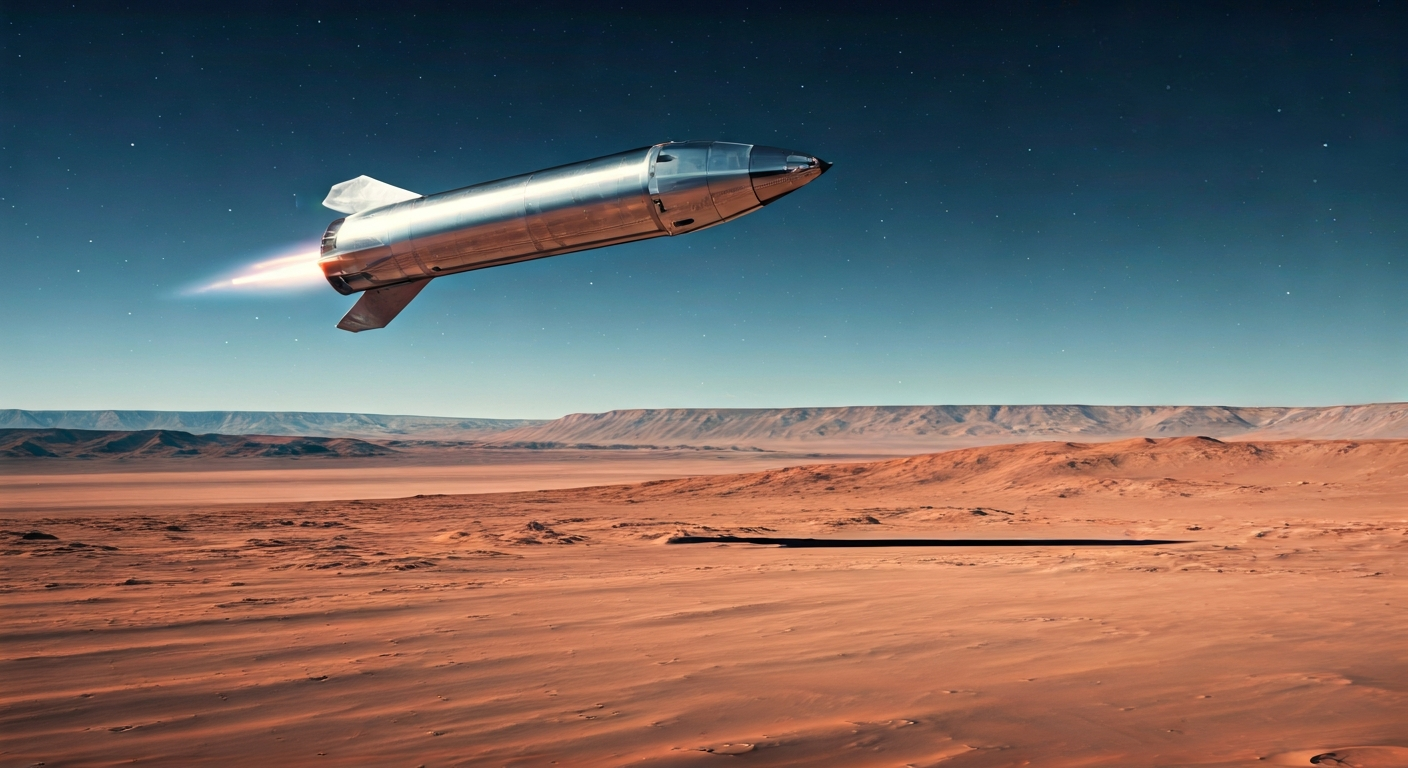
SpaceX's latest Starship iteration, V3, successfully ascended to space during a recent test flight, though its Super Heavy booster experienced an anomaly during separation.
SpaceX conducted a test flight of its Starship V3 vehicle, which successfully achieved space. The mission marked a significant step in the development of the fully reusable launch system.
During the flight, the Starship V3 upper stage separated from its Super Heavy booster. However, reports indicate that the Super Heavy booster experienced an issue during this critical separation phase. Specific details regarding the nature of the booster's loss have not been fully disclosed.
This test is part of an ongoing series of developmental flights for Starship, a project aimed at enabling interplanetary travel and cargo transport. Each test flight provides valuable data to refine the rocket's design and operational procedures.
SpaceX continues to iterate on the Starship design, incorporating lessons learned from previous flights to enhance performance and reliability. The ultimate goal is to achieve full reusability of both the Starship upper stage and the Super Heavy booster, which is crucial for reducing the cost of space access and supporting ambitious exploration goals.
The successful ascent of Starship V3 to space, despite the Super Heavy booster anomaly, underscores the accelerating progress in reusable launch systems. Each test, even with setbacks like a booster loss, refines the complex engineering required for interplanetary transit. This incremental yet rapid advancement is precisely the kind of exponential technological growth needed to establish a self-sustaining Martian civilization. Overcoming such challenges is foundational for building the infrastructure that will ultimately extend human consciousness beyond Earth, making Mars a vital stepping stone in our cosmic future.
Edited by the news editor with AI from the original report — please refer to the original source.