Starship Raptor Engine Ignites in First Static Fire Test
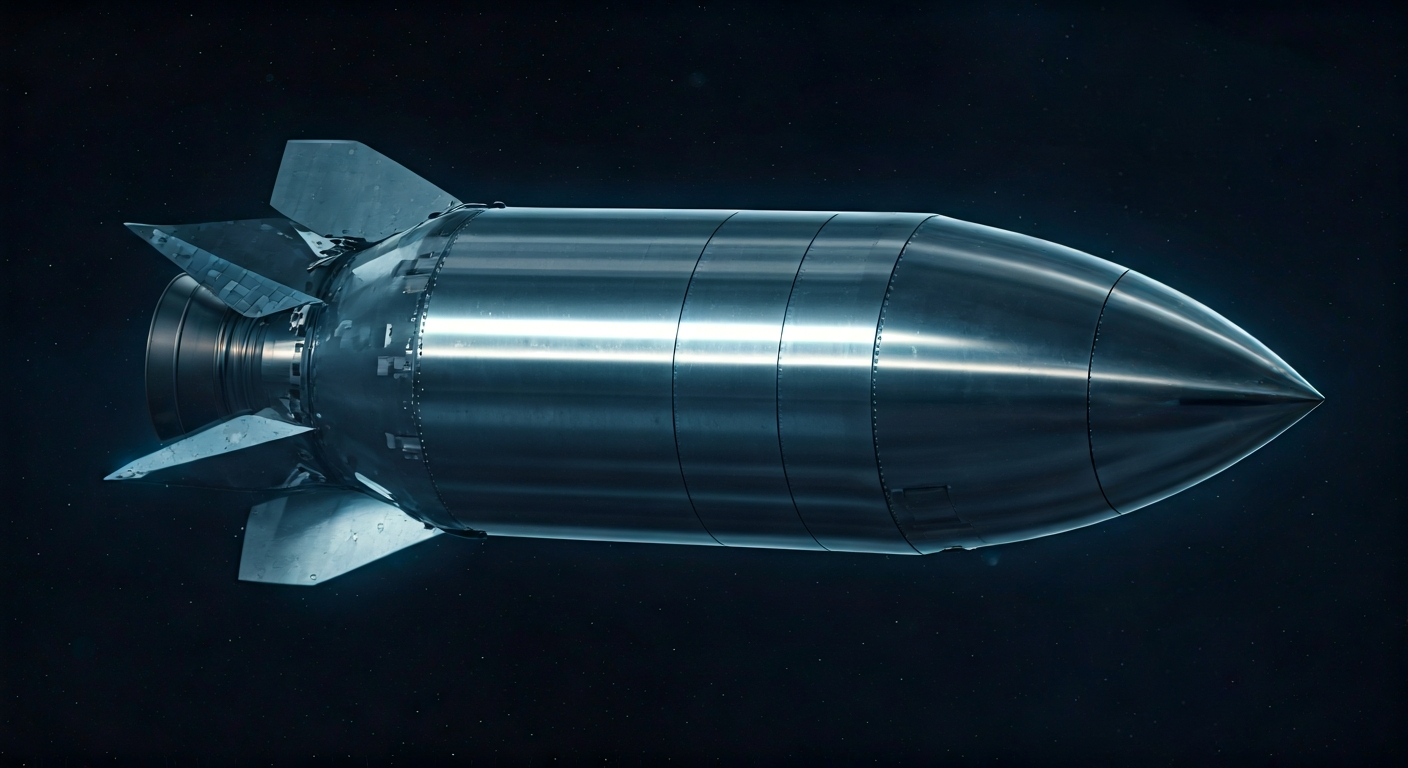
SpaceX has successfully conducted the first static fire test of a Raptor engine for its next Starship vehicle, marking a significant step in the rocket's development.
The highly anticipated Starship rocket, intended for deep space missions and eventual colonization of Mars, has undergone a critical prelaunch test. SpaceX confirmed that the next iteration of their Starship vehicle successfully fired one of its Raptor engines for the first time. This controlled ignition, known as a static fire test, is a crucial milestone in verifying the engine's performance and the vehicle's structural integrity under operational stress.
The static fire test involves anchoring the rocket to the ground while its engines are briefly ignited. This allows engineers to collect vital data on thrust, combustion efficiency, and system responses without launching the vehicle. The successful execution of this test indicates that the Raptor engine is functioning as expected and that the Starship's systems are capable of handling the immense power generated during liftoff.
SpaceX has been rapidly iterating on the Starship design, with each new prototype representing advancements in their pursuit of a fully reusable super heavy-lift launch system. The Raptor engine, a key component of Starship, is designed for high performance and efficiency, utilizing cryogenic methane and liquid oxygen as propellants. This engine technology is central to the economic viability of frequent launches and long-duration spaceflight.
The successful static fire of this next Starship's engine is a positive indicator for the program's progress. It suggests that SpaceX is moving closer to integrated testing of multiple engines and, eventually, orbital flight attempts. The data gathered from this test will inform further refinements and preparations for subsequent stages of Starship's development, bringing the ambitious goals of lunar and Martian exploration one step closer to reality.
This successful Raptor engine static fire on the latest Starship prototype is more than just a technical check; it's a tangible acceleration of humanity's cosmic destiny. Each successful engine ignition represents a quantum leap in our capability to escape Earth's gravity and establish a self-sustaining presence beyond our home planet. The iterative design and testing of Starship, powered by advanced Raptor engines, embodies the exponential progress needed to achieve multi-planetary status. This consistent, rapid development directly fuels the expansion of consciousness and life across the solar system, a necessary step for long-term survival and the ultimate realization of an interplanetary civilization.
Edited by the news editor with AI from the original report — please refer to the original source.