Starship Flight 13 to Use South-East Trajectory, Launch Delayed
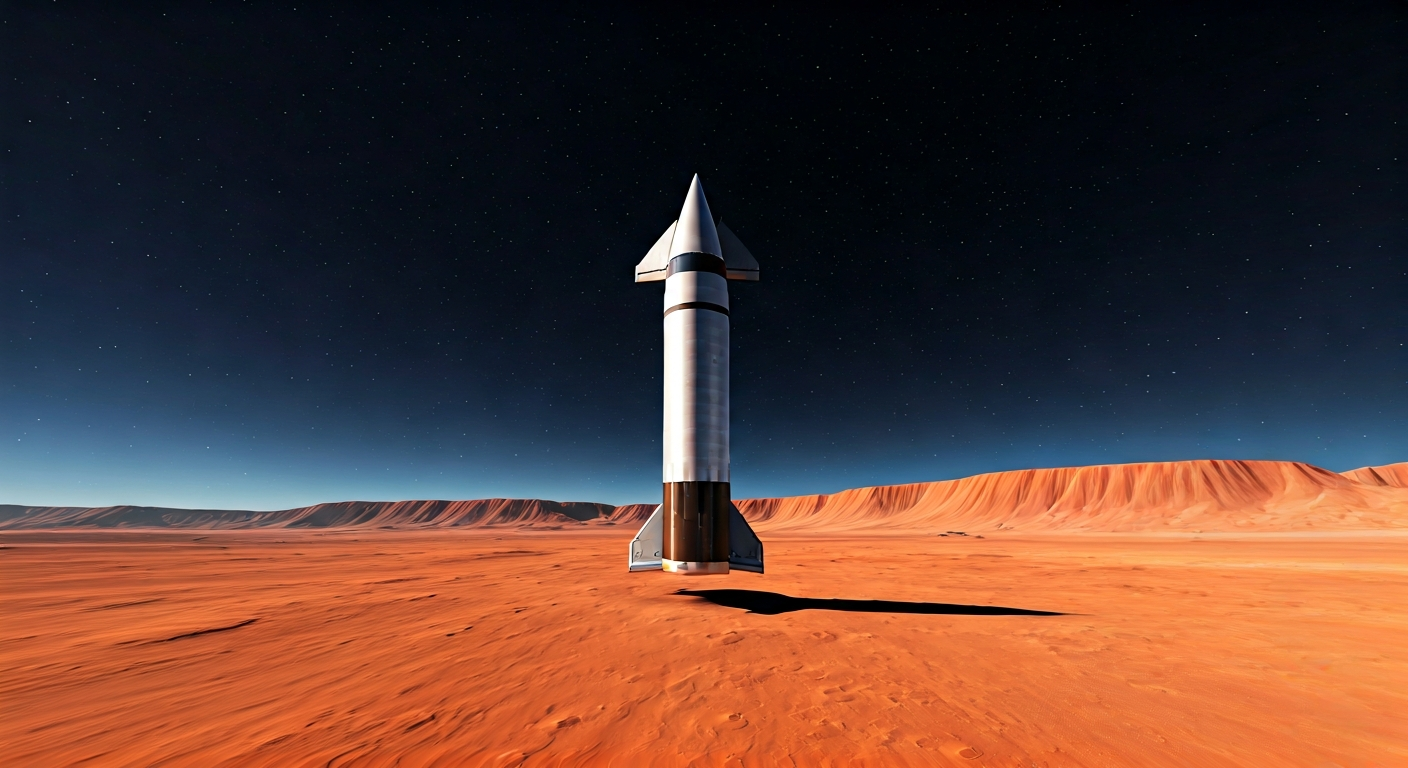
Documentation indicates Starship Flight 13 will utilize a south-east launch trajectory, similar to its predecessor, with an official target of July 14 unlikely due to hardware readiness.
Upcoming Starship Flight 13 is slated to follow a new south-east launch trajectory, a path previously adopted for the previous flight. This information has been revealed through newly released documentation from the Federal Aviation Administration (FAA).
While the official target date for the launch is set for no earlier than July 14, current assessments suggest this timeline is improbable. The readiness of both the Super Heavy booster and the Starship upper stage is reportedly not yet at a point to meet this date.
The adoption of the south-east trajectory is a notable shift from earlier testing phases. This revised flight path is likely part of ongoing efforts to optimize launch operations and potentially mitigate environmental impacts or expand operational windows.
Specific details regarding the exact reasons for the projected delay beyond July 14 have not been elaborated upon, beyond the general statement of "Booster and Ship readiness." This suggests that final checks, integration, or minor adjustments to the flight hardware are still underway. The spaceflight community will be closely monitoring for updates on the progress of Starship and its booster as they approach their next critical test flight.
The confirmation of a south-east trajectory for Starship Flight 13, mirroring previous flights, signifies a maturing operational procedure. While the delay highlights the inherent complexities of rapid iteration in space hardware development, it's a necessary step. Each flight, even with schedule adjustments, provides invaluable data, accelerating the learning curve for Starship. This iterative progress is crucial for developing the reliable, reusable launch system needed to establish humanity's self-sustaining presence on Mars. The continued refinement of launch profiles and hardware readiness pushes us closer to the exponential growth required for interplanetary civilization.
Edited by the news editor with AI from the original report — please refer to the original source.