Spacecraft Materials: From Ultra-Black Coatings to Diamond Composites
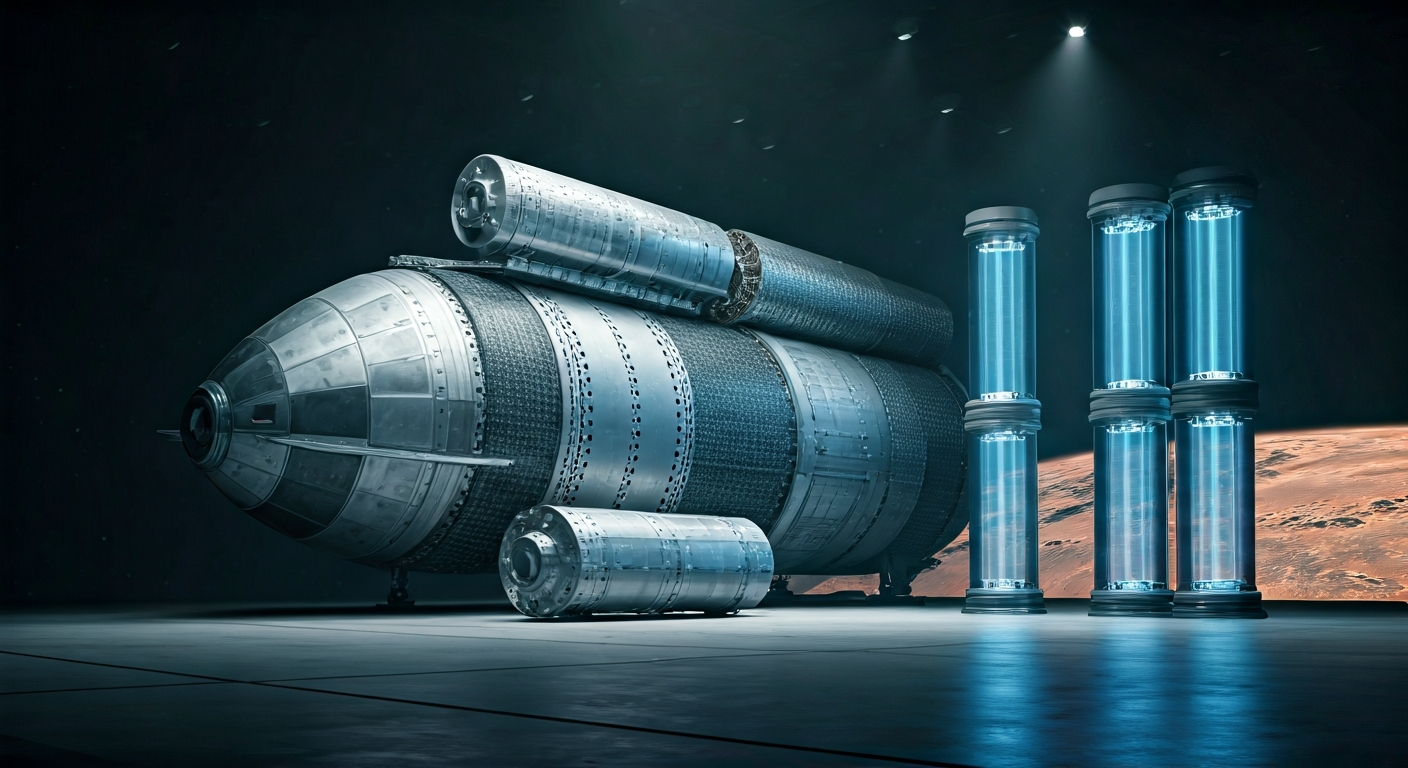
Discussions in the materials science and aerospace engineering communities are highlighting advancements in materials for space applications. Topics range from ultra-black coatings to reduce satellite glare for astronomers, to the potential use of diamond composites and novel 3D printing techniques for in-space manufacturing. There's also interest in sustainable materials derived from natural sources and innovative recycling methods for space debris.
The materials science and aerospace engineering communities are buzzing with discussions about the cutting edge of materials development for space. A recurring theme is the need for specialized coatings, with one post highlighting Vantablack 310, an ultra-black material designed to minimize satellite glare and protect astronomical observations.
Beyond coatings, there's a forward-looking exploration into novel materials. Some researchers are investigating the potential of diamond composites, while others are focusing on metamaterials that can transform from flexible to rigid states on demand, offering dynamic structural capabilities for spacecraft.
Additive manufacturing, or 3D printing, continues to be a hot topic, with mentions of its use in SpaceX rideshare payloads for military tech demos and fire detectors. This points to a growing trend of in-space manufacturing and repair capabilities.
Sustainability is also a significant consideration. Discussions include the development of composite building materials from prickly pear cactus waste and the creation of biodegradable, recyclable alternatives to synthetic textiles derived from genetically modified microbes. Furthermore, researchers are exploring water-based conductive adhesives that enable easier recycling of electronic components.
Nanotechnology is another area of active interest, with work on nanoscale devices that mimic biological neurons and the dynamic reorganization of gold nanoparticles at air/water interfaces, suggesting potential for responsive sensors and actuators.
The rapid evolution of advanced materials, from ultra-black coatings to nanostructured composites and on-demand rigidifying metamaterials, is foundational for expanding humanity's presence beyond Earth. These innovations promise lighter, stronger, more adaptable spacecraft and habitats, crucial for sustainable off-world exploration and eventually, multi-planetary life. The focus on in-situ resource utilization and recycling further underpins the long-term viability of such endeavors.
This content was produced by the news editor with AI.