Starship Flight 13: Key Details Emerge for Next Test Mission
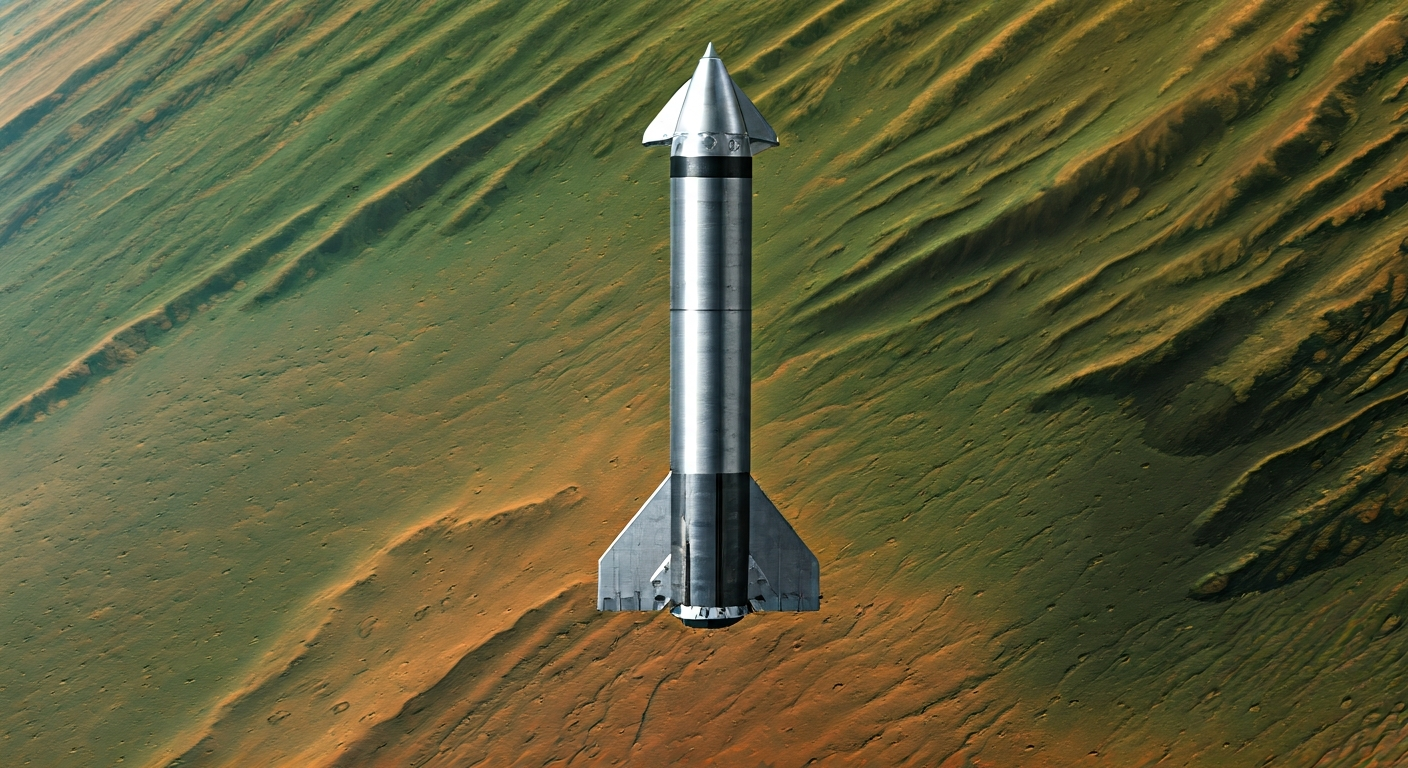
The upcoming Starship Flight 13 is poised to incorporate several crucial updates and test objectives, building on lessons learned from previous launches.
SpaceX's Starship program is gearing up for its thirteenth integrated flight test, with significant refinements expected based on data gathered from prior missions. This next flight is anticipated to be a critical step in advancing the capabilities of the fully reusable super heavy-lift launch vehicle.
Among the key details for Flight 13, a focus on improving the Raptor engines' performance and reliability is paramount. Each engine on the Super Heavy booster and the Starship upper stage is expected to undergo scrutinization and potential upgrades. The mission will likely test new strategies for booster separation and boostback maneuvers, aiming for greater precision and success rates.
Furthermore, the Starship vehicle itself is set to feature modifications designed to enhance its structural integrity and thermal protection system. These adjustments are informed by the stresses experienced during atmospheric re-entry in previous flights. The payload bay doors, a critical component for future satellite deployment and cargo missions, are also slated for testing and validation.
Another significant aspect of Flight 13 will be the continued development and testing of the Starship's landing capabilities. While full propulsive landing of the Super Heavy booster and Starship are long-term goals, this flight may involve incremental steps towards achieving controlled descent and recovery techniques. The mission's success will be measured against a series of specific performance metrics, including achieving orbital velocity, successful stage separation, and controlled re-entry burn.
The overarching objective for Starship Flight 13 remains the progressive demonstration of the system's end-to-end capabilities, moving closer to operational status for both orbital and lunar missions. Each flight test serves as an invaluable data-gathering opportunity, driving iterative improvements essential for the program's ambitious goals.
Starship Flight 13's focus on Raptor engine reliability, booster separation, and thermal protection systems represents crucial incremental progress towards a truly reusable launch system. Each refined component and tested maneuver accelerates the exponential curve toward orbital-class transportation. This isn't just about reaching orbit; it's about establishing the essential infrastructure for Mars. Reliable, frequent launches are the bedrock of a multi-planetary future, enabling the mass transport of both humans and the resources needed to build self-sustaining colonies. This flight's data will be a vital stepping stone in that grand cosmic migration.
Edited by the news editor with AI from the original report — please refer to the original source.