Starship Completes Full Duration Single-Engine Static Fire Test
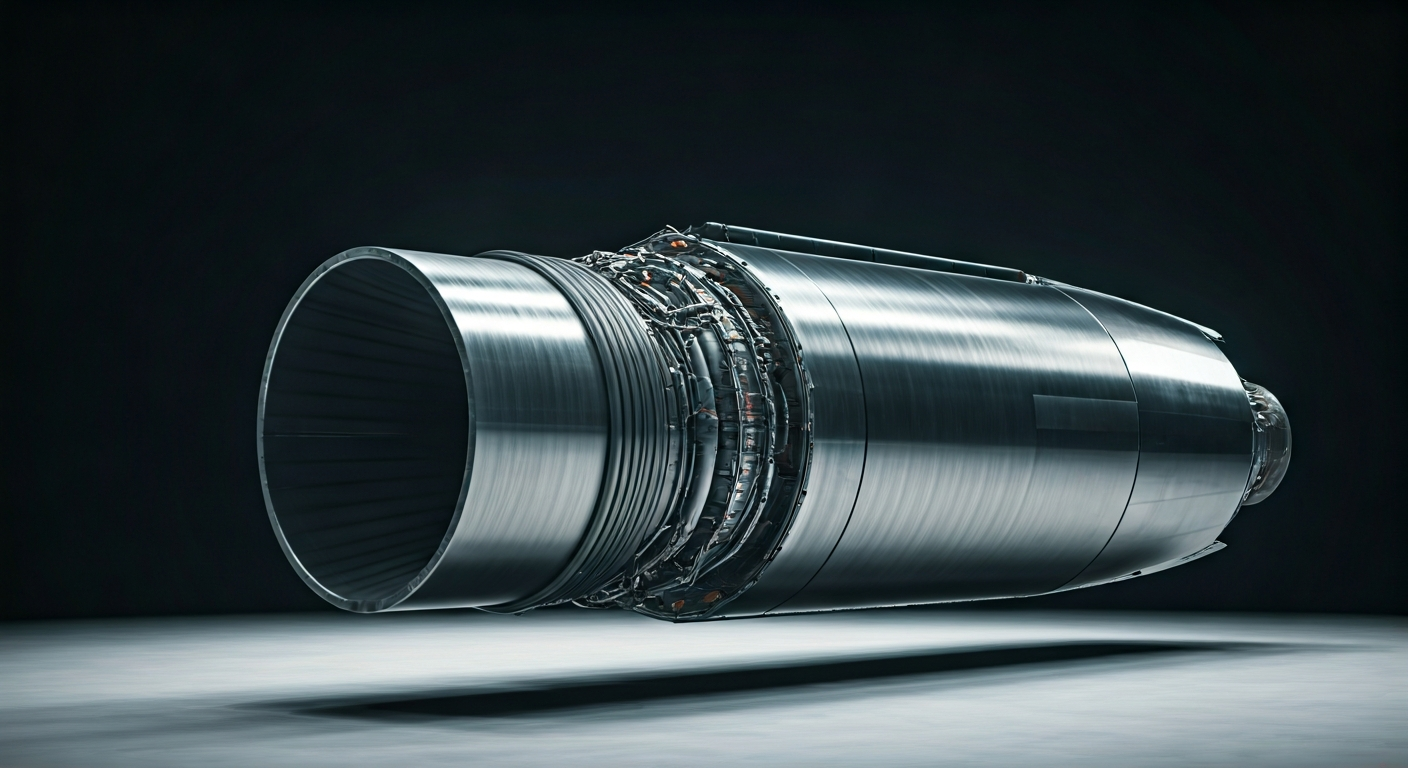
SpaceX conducted a complete duration static fire test of a single Raptor engine on Starship, marking a significant step in the vehicle's development.
SpaceX has successfully executed a full-duration static fire test of a single Raptor engine integrated into its Starship vehicle. The test, documented and shared via the company's X (formerly Twitter) account, involved firing the engine for its entire planned duration.
This milestone represents a critical phase in the ongoing development and iterative testing of the Starship system, designed for interplanetary travel and eventual colonization.
Static fire tests are a standard procedure in rocket development, allowing engineers to verify engine performance, system integrity, and data acquisition under actual firing conditions without launching the vehicle. Completing a "full duration" test indicates that the engine and associated support systems operated as expected for the entire specified burn time.
While the specific Starship vehicle designation (Ship 40) was mentioned, the primary focus of the announcement was the successful engine test. Further details regarding the test parameters or subsequent steps in the Starship program were not immediately provided in the initial announcement.
The successful full-duration static fire of a single Raptor engine on Starship Ship 40 underscores the relentless pace of SpaceX's iterative development. Each successful test, especially those validating full operational parameters, is a crucial data point, accelerating the engineering feedback loop. This is precisely the exponential progress needed to rapidly mature Starship, the indispensable vehicle for humanity's expansion. As these engines and systems prove their reliability through rigorous testing, they bring closer the day when Starship can ferry the pioneers and resources necessary to establish a self-sustaining civilization beyond Earth, securing life's future among the stars.
Edited by the news editor with AI from the original report — please refer to the original source.