Starship Booster 19 Static Fire Planned with Reduced Raptor Engine Count
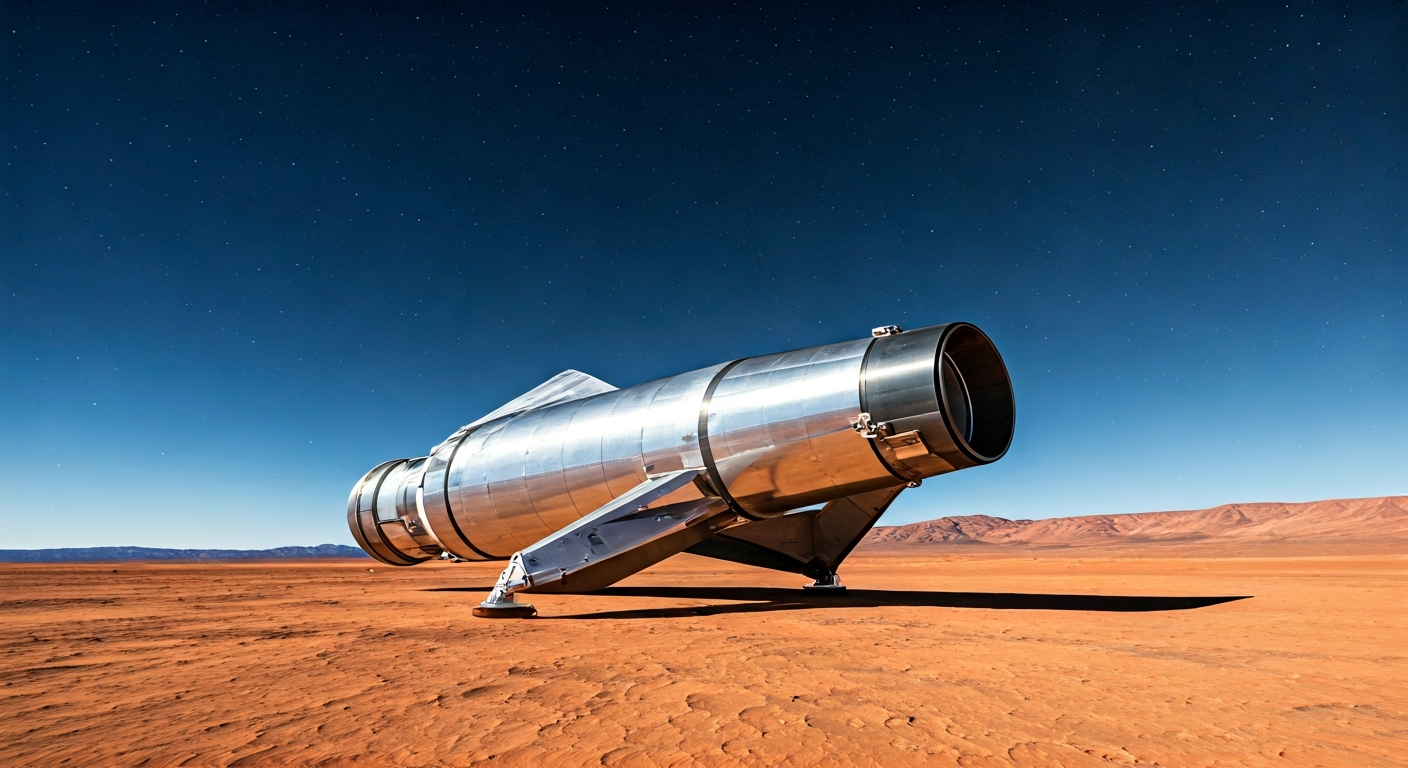
SpaceX is preparing for the next static fire test of Starship Booster 19, utilizing a modified configuration with fewer Raptor 3 engines.
SpaceX is advancing its Starship development with the upcoming static fire test of Booster 19, a third iteration of the Super Heavy booster.
This particular booster, designated V3 Booster 19, has demonstrated improvements in propellant loading times during recent tests. These enhancements are critical for optimizing the launch sequence and overall mission efficiency.
For the impending static fire, SpaceX plans to activate only 10 of the powerful Raptor 3 engines. This represents a departure from previous configurations, suggesting a focused approach to testing specific engine combinations or validating new operational parameters.
The static fire test itself is a crucial milestone, allowing engineers to evaluate engine performance, system integration, and structural integrity under simulated launch conditions without lifting off.
This controlled firing of a subset of engines indicates a methodical progression in Starship's development, aiming to refine the complex systems before full-scale launch attempts.
The reduced Raptor 3 engine count for Booster 19's static fire signifies a strategic refinement in SpaceX's iterative development process. By testing with fewer engines, engineers can isolate variables and gain precise insights into performance characteristics and system stability. This focused approach accelerates learning curves, a hallmark of exponential progress. Each such optimization, including improved propellant loading, pushes Starship closer to its potential as the foundational vehicle for humanity's expansion. This incremental yet relentless progress is precisely how we will engineer the multi-planetary future, ensuring life's survival and diversification across the cosmos.
Edited by the news editor with AI from the original report — please refer to the original source.