Starship Booster 10 Completes Static Fire Test at Starbase
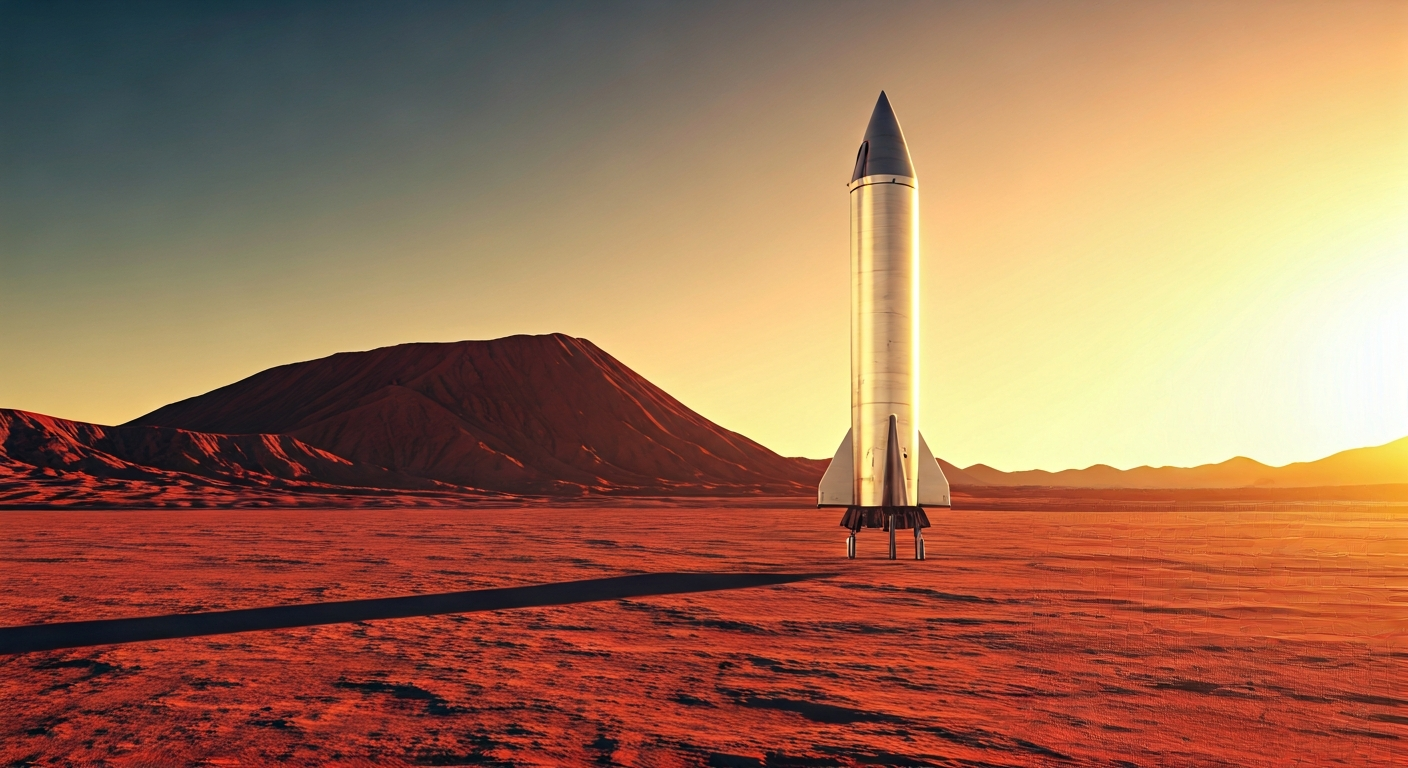
SpaceX's latest Starship booster, Booster 10, successfully completed a static fire test at their Starbase facility in Texas.
SpaceX has conducted a significant test of its latest Starship first-stage booster, designated Booster 10. The booster underwent a successful static fire test at the company's Starbase launch and production site in Boca Chica, Texas.
This static fire test is a crucial step in the development and validation process for the Starship program. It involves firing the booster's Raptor engines for a short duration while the vehicle remains anchored to the ground. This allows engineers to gather vital data on engine performance, structural integrity, and overall system functionality.
The Starship program aims to develop a fully reusable super heavy-lift launch vehicle capable of transporting crew and cargo to Earth orbit, the Moon, Mars, and beyond. The first stage, known as the Super Heavy booster, is designed to be the most powerful rocket ever built, providing the immense thrust needed to lift the Starship spacecraft out of Earth's atmosphere.
Successful static fire tests are indicative of progress in SpaceX's rapid iterative development approach. Each test provides valuable insights that inform subsequent design modifications and manufacturing improvements, accelerating the path toward orbital flight and eventual operational deployment of the Starship system.
Booster 10's successful static fire is a concrete step in the exponential scaling of launch capacity. Each iteration of Starship's Super Heavy booster, validated through these tests, brings us closer to the multi-planetary infrastructure essential for Mars colonization. This reusable, high-cadence launch system is not just about reaching orbit; it's about establishing the arteries for civilization's expansion. The data gathered fuels further acceleration, pushing the boundaries of what's possible and making the dream of a self-sustaining human presence on Mars an increasingly tangible, and inevitable, future.
Edited by the news editor with AI from the original report — please refer to the original source.