Electrically Conductive Shape Memory Polymers for Adaptive Structural Components
This project focuses on developing advanced electrically conductive shape memory polymers (EC-SMPs) capable of controlled deformation and structural adaptation in response to electrical stimuli. Leveraging nanostructured conductive fillers and advanced 3D printing techniques, these materials are designed for in-situ construction and repair in extraterrestrial environments, offering a pathway to self-assembling and adaptive habitats.
Concept & Function The core concept is to create a 'smart' polymeric material that can be programmed into a temporary shape and then recover its original, permanent shape upon application of an electrical stimulus. This recovery is coupled with significant electrical conductivity, enabling the material itself to act as both the actuator and a component within an electrical circuit. The material will be capable of reversible deformation, allowing for dynamic structural adjustments, deployment, and repair.
Material System & Nanostructure
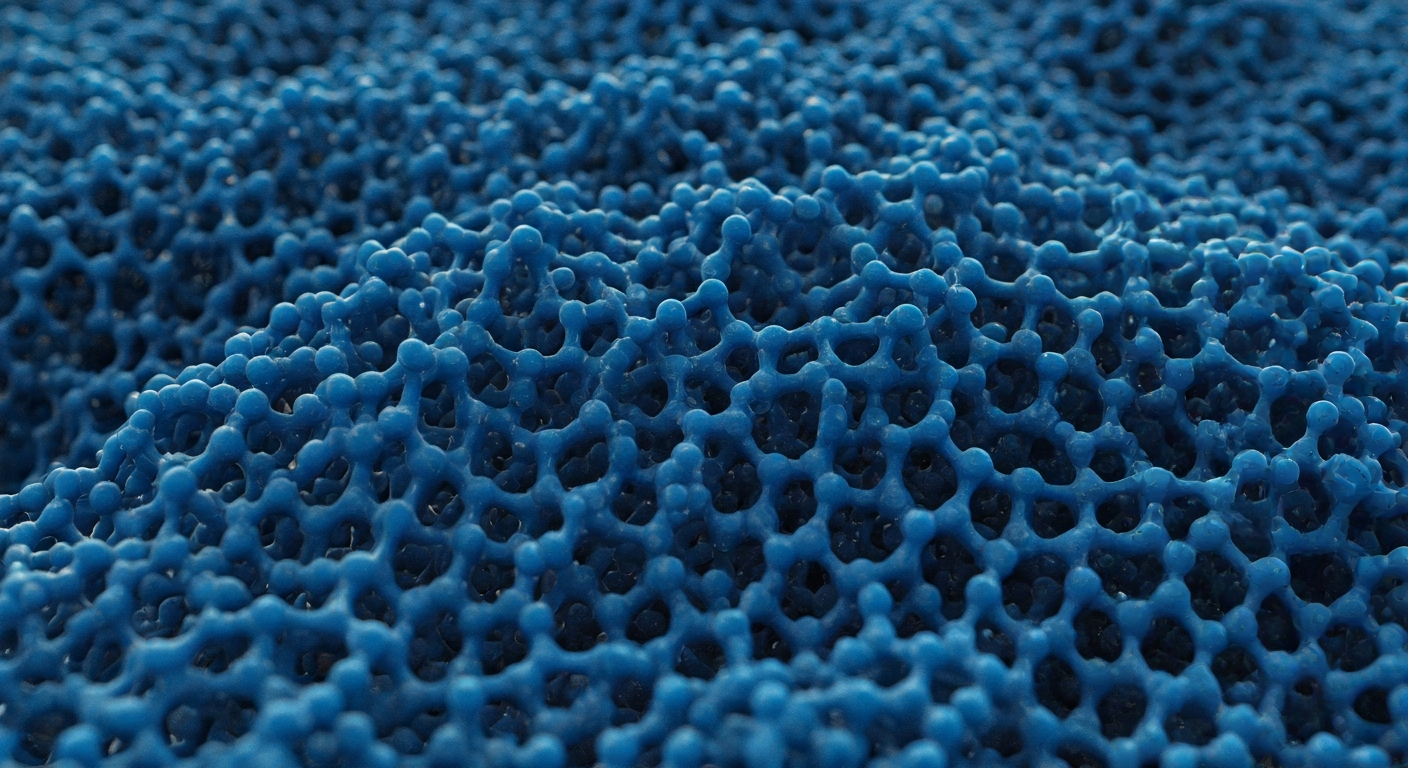
The material system will be based on a thermoset or thermoplastic polymer matrix, selected for its inherent shape memory properties and compatibility with conductive fillers. The key innovation lies in the incorporation of a high-density, well-dispersed network of conductive nanomaterials. This will include a combination of single-walled or multi-walled carbon nanotubes (CNTs), graphene nanoplatelets, or potentially metallic nanowires. The nanostructure will be engineered to achieve percolation thresholds at low filler concentrations, maximizing conductivity while minimizing negative impacts on the polymer's mechanical resilience and shape memory performance. The internal nanostructure will be optimized for efficient heat dissipation and transfer to the polymer matrix.
Programmability & Response Mechanism
The shape memory effect is achieved through a two-stage process: deformation at an elevated temperature (above the polymer's glass transition temperature, Tg) and subsequent cooling to fix the temporary shape. The programming (shape setting) involves deforming the material into a desired temporary configuration. The recovery (shape change) is triggered by electrical actuation. When an electric current is passed through the conductive network, Joule heating occurs. This localized heating raises the polymer's temperature above its Tg, allowing it to relax and return to its original, permanent shape. The rate and extent of shape recovery will be controllable by modulating the applied voltage and current, thereby controlling the heating rate and peak temperature.
Fabrication (Nanotech 3D Printing)
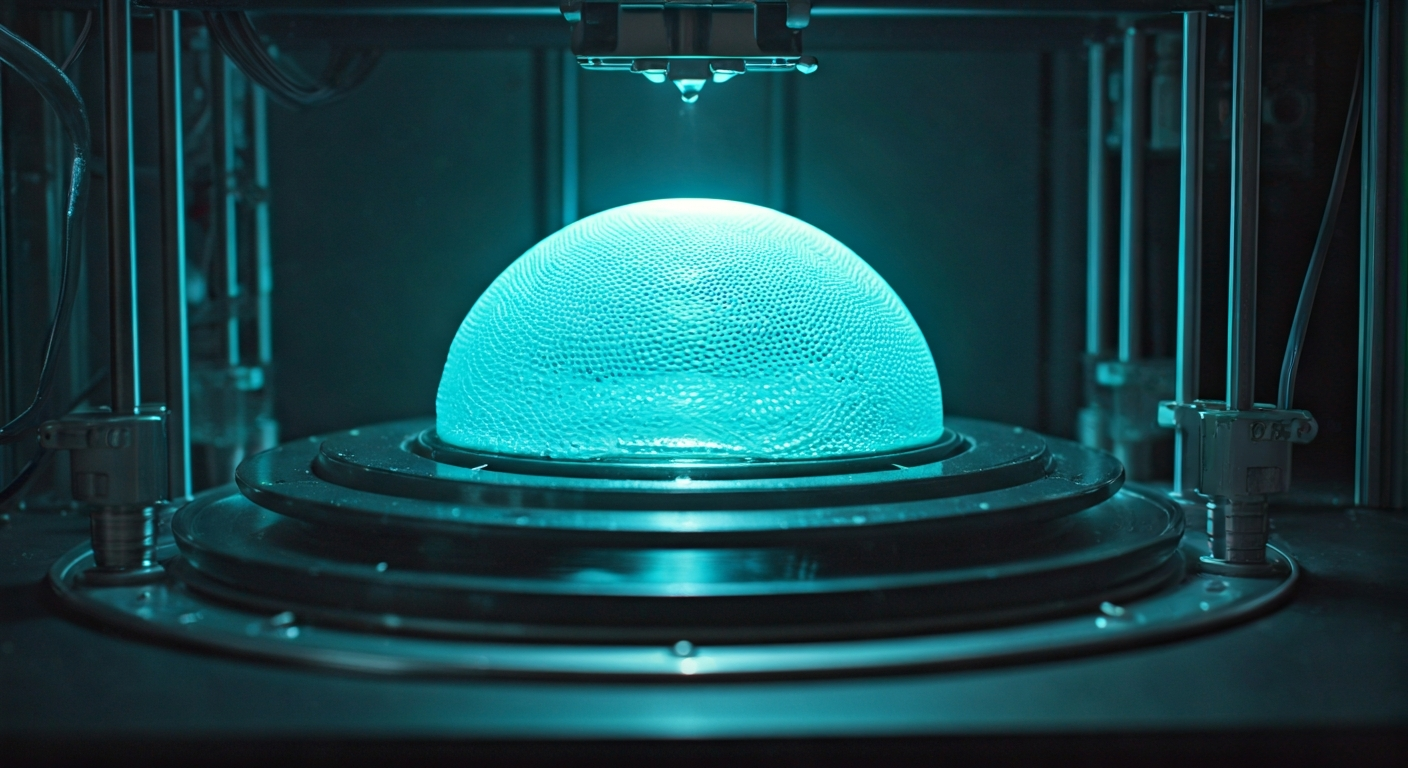
Nanotechnology-based 3D printing, specifically techniques like direct ink writing (DIW) or stereolithography (SLA) adapted for nanocomposite inks, will be central to fabricating complex geometries with precise control over the distribution of conductive fillers. The process will involve developing stable, printable inks containing the polymer precursor and dispersed nanomaterials. Layer-by-layer additive manufacturing will allow for the creation of intricate internal architectures that optimize conductivity pathways and thermal management. Post-printing curing and programming steps will be integrated into the fabrication workflow. This approach enables the fabrication of complex, functional components directly from digital designs.
Control & Autonomy Control will be achieved through precise management of electrical input (voltage, current, pulse duration). For autonomous operation, integrated sensing capabilities (e.g., strain gauges, temperature sensors within the printed structure) will provide feedback to a control system. Machine learning algorithms will be employed to optimize the response for specific tasks, predict material behavior under varying conditions, and manage energy consumption. This enables adaptive structures that can respond to environmental cues or operational demands without constant human intervention.
Key Challenges 1. **Conductivity-Mechanical Property Trade-off:** Achieving simultaneously high electrical conductivity and robust mechanical integrity, including high strain recovery. 2. **Homogeneous Nanofiller Dispersion:** Ensuring uniform dispersion of nanomaterials throughout the polymer matrix to avoid defects and maximize performance. 3. **Thermal Management:** Efficiently transferring heat to induce shape recovery without causing material degradation or excessive energy loss. 4. **Actuation Precision & Repeatability:** Fine-tuning electrical parameters for precise and repeatable shape recovery over numerous actuation cycles. 5. **Long-Term Durability:** Mitigating fatigue and degradation of both the polymer and conductive network under repeated thermal cycling and mechanical stress.
Test & Qualification Material characterization will involve measuring electrical conductivity (four-point probe), mechanical properties (tensile testing, flexural testing), shape memory behavior (shape fixity ratio, shape recovery ratio, recovery speed), thermal properties (DSC, TGA), and microstructural analysis (SEM, TEM) to verify filler dispersion and interface integrity. Actuation performance will be tested under various electrical stimuli and environmental conditions. Accelerated aging tests will assess long-term durability.
TRL & Post-2030 Roadmap Currently, this technology is at TRL 3-4. The post-2030 roadmap includes: * **2030-2032:** Refinement of material formulations, optimization of printing parameters, and demonstration of basic functional prototypes (TRL 5-6). * **2033-2035:** Development of integrated systems, demonstration of self-assembly/repair capabilities in simulated environments, and advanced ML-driven control (TRL 7). * **2036-2038:** Field testing in analog environments, scaling up fabrication processes, and achieving full system integration for specific applications (TRL 8-9).
Applications (space, Mars habitats, in-situ)
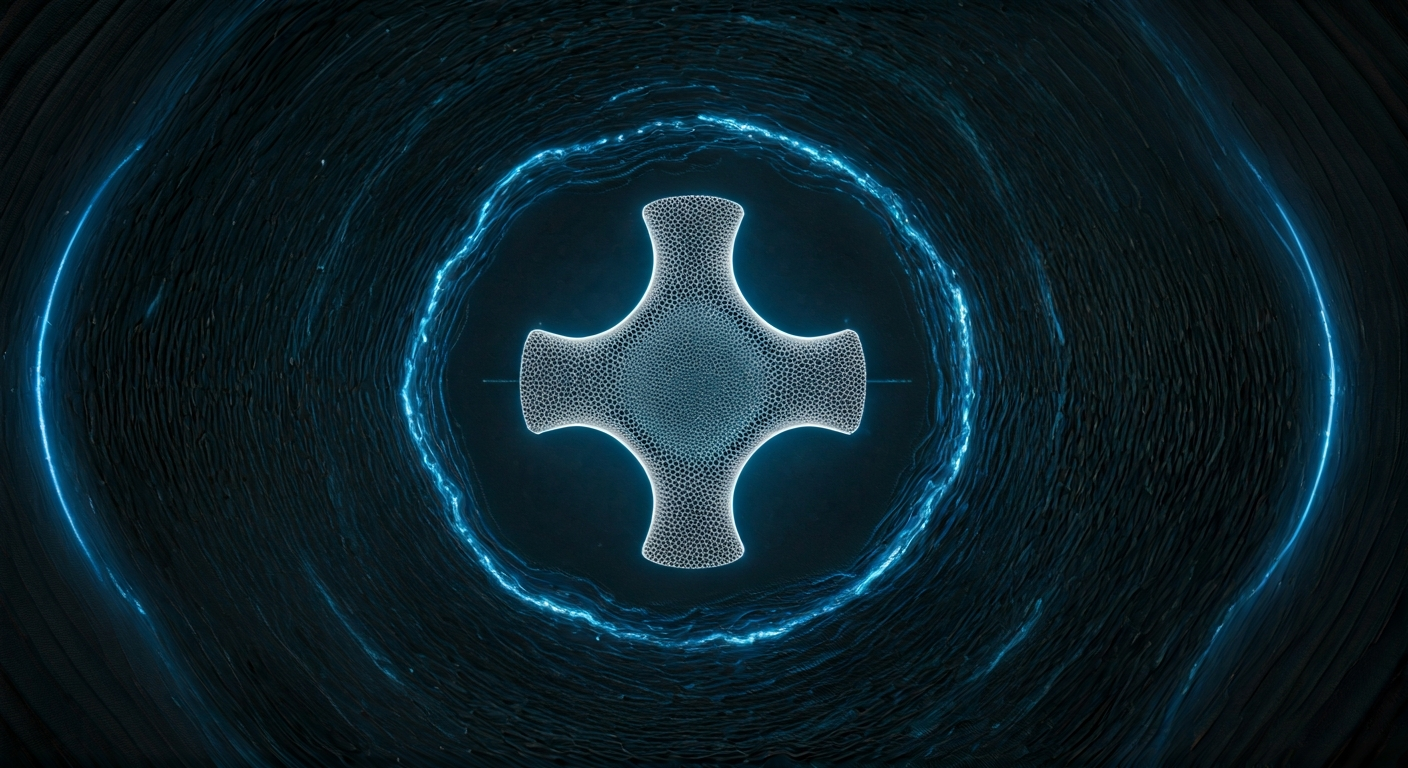
* **Spacecraft Deployment:** Self-deploying antennas, solar arrays, and structural elements that can be compacted for launch and deployed autonomously. * **Mars Habitat Construction:** In-situ fabrication of structural components, seals, and insulation layers. The programmable nature allows for adaptive structures that can expand, contract, or reconfigure based on environmental changes or mission needs. * **In-Situ Resource Utilization (ISRU) Structures:** Creating molds or support structures for ISRU processes. * **Robotic Repair:** Enabling robots to autonomously repair damaged structures by printing and actuating replacement parts or sealing breaches. * **Adaptive Surfaces:** Creating surfaces that can change their physical properties (e.g., insulation, rigidity) on demand.
Cross-Model Verification (GPT-3.5)
Overall, the R&D dossier on Electrically Conductive Shape Memory Polymers is largely sound and scientifically plausible. However, there are a few points to note:
1. **Nanostructure & Conductive Fillers:** The use of single-walled or multi-walled carbon nanotubes, graphene nanoplatelets, or metallic nanowires for conductivity enhancement is feasible. Ensure that the proposed nanostructure indeed achieves the desired percolation thresholds and does not compromise mechanical properties.
2. **Fabrication Techniques:** The use of nanotechnology-based 3D printing for fabrication is feasible. However, the precise control over the distribution of conductive fillers may be challenging in practice and warrants careful consideration.
3. **Control & Autonomy:** Integration of sensing capabilities and machine learning algorithms for autonomous operation is plausible. Ensure that the control system can effectively manage the complex interactions between electrical stimuli and material response.
4. **Long-Term Durability:** Addressing the challenges of fatigue and degradation under repeated thermal cycling and mechanical stress is crucial for real-world applications. Consider incorporating strategies to enhance long-term durability.
5. **TRL & Roadmap:** The outlined TRL levels and post-2030 roadmap appear realistic. It's important to focus on overcoming key challenges to advance the technology readiness level effectively.
6. **Applications:** The envisioned applications in spacecraft deployment, Mars habitats, ISRU structures, robotic repair, and adaptive surfaces are feasible given the capabilities of electrically conductive shape memory polymers.
In summary, the concept of electrically conductive shape memory polymers and its proposed functionalities are scientifically plausible, but attention to key challenges and technical considerations will be essential for successful development and deployment post-2030.
Electrically conductive shape memory polymers represent a paradigm shift for multi-planetary settlements by enabling adaptive, self-building infrastructure. Their ability to be programmed into complex shapes and then autonomously deploy or reconfigure via electrical input bypasses the need for extensive pre-fabrication and complex assembly machinery. This facilitates in-situ construction, on-demand repair, and dynamic structural adaptation to harsh extraterrestrial environments, laying the foundation for truly resilient and evolving off-world habitats.
This content was produced by the news editor with AI.