Spectroscopy Technique Probes Martian Volcanic Glass and Crystal Content
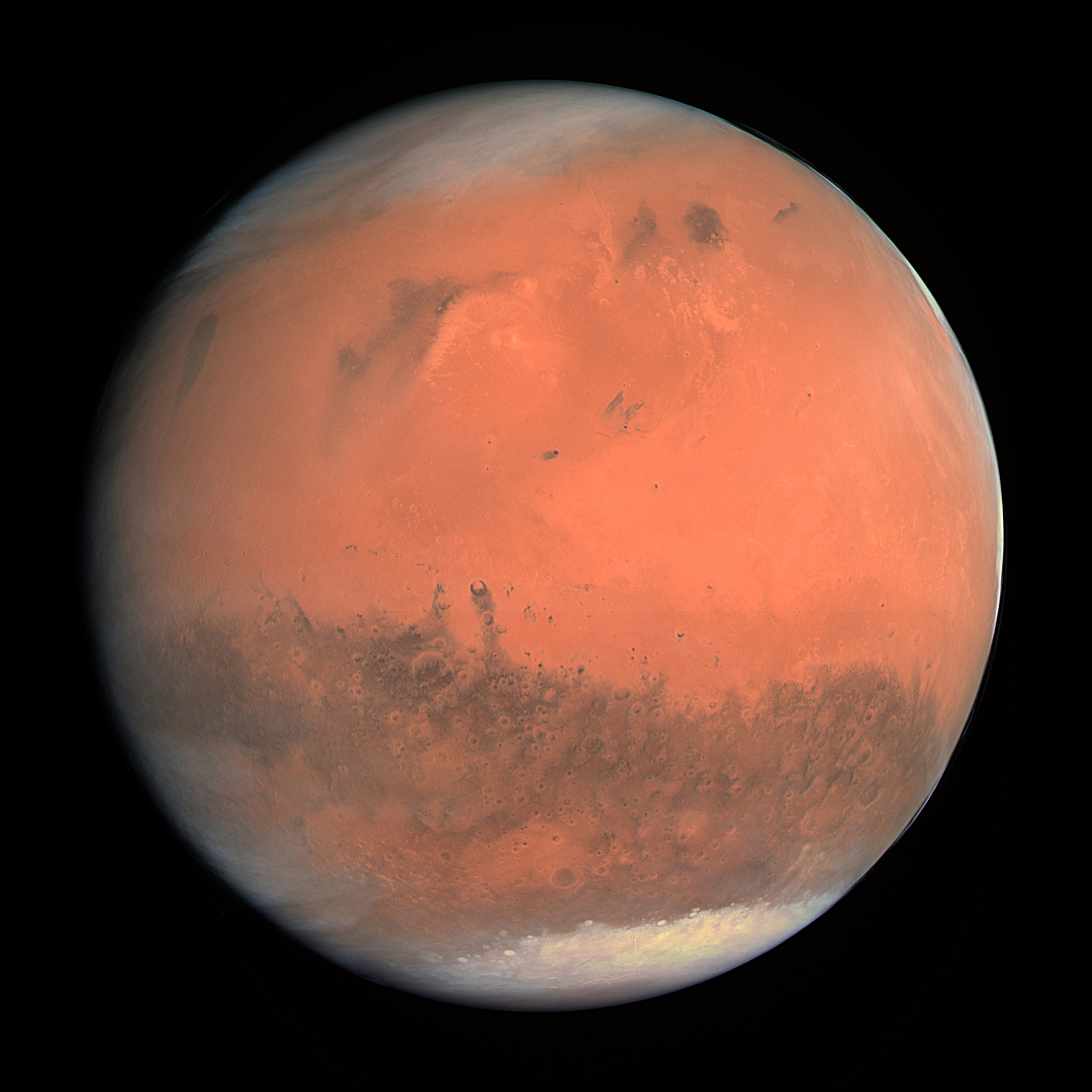
New research details how visible and near-infrared spectroscopy can analyze synthetic Martian volcanic materials, revealing insights into their mineral composition.
Scientists have explored the utility of visible and near-infrared (VNIR) spectroscopy as a tool for understanding the composition of simulated Martian volcanic rocks. The study focused on laboratory-created samples designed to mimic the geology of Mars, specifically targeting the distinction between glassy and crystalline phases within these volcanic analogs.
By analyzing the light reflected and absorbed by these synthetic materials across the visible and near-infrared spectrum, researchers aimed to identify unique spectral signatures associated with different mineral structures. This technique is crucial because the way light interacts with a material is highly dependent on its physical state, such as whether it is amorphous glass or a structured crystal.
The findings demonstrate that VNIR spectroscopy can effectively differentiate between these states in volcanic materials. This capability is important for remote sensing applications, where direct sampling is not feasible. Understanding the proportion of glass versus crystalline minerals in Martian rocks can provide clues about the thermal history and eruptive processes of Martian volcanoes.
This research contributes to the development of analytical methods that can be employed by future Mars missions. Instruments equipped with VNIR capabilities could analyze Martian surface materials from orbit or via rovers, offering a non-destructive way to assess geological composition and infer past volcanic activity. Such detailed mineralogical information is vital for reconstructing Mars' geological evolution and identifying potentially habitable environments.
This advancement in VNIR spectroscopy for analyzing Martian volcanic analogs is a critical step in deciphering the planet's geological past. By precisely distinguishing between glassy and crystalline phases, we gain a clearer picture of Mars' eruptive history and thermal evolution. This capability will be indispensable for future robotic explorers, allowing for detailed, remote characterization of volcanic terrains. As we move towards establishing self-sustaining outposts, understanding the mineral resources and geological processes of Mars, particularly its volcanic origins, is paramount for in-situ resource utilization and long-term habitability. This analytical precision fuels our progress toward becoming a multi-planetary species.
Edited by the news editor with AI from the original report — please refer to the original source.