SpaceX's Starship Flight 13 Looms Amidst Financial Scrutiny and Competitive Buzz
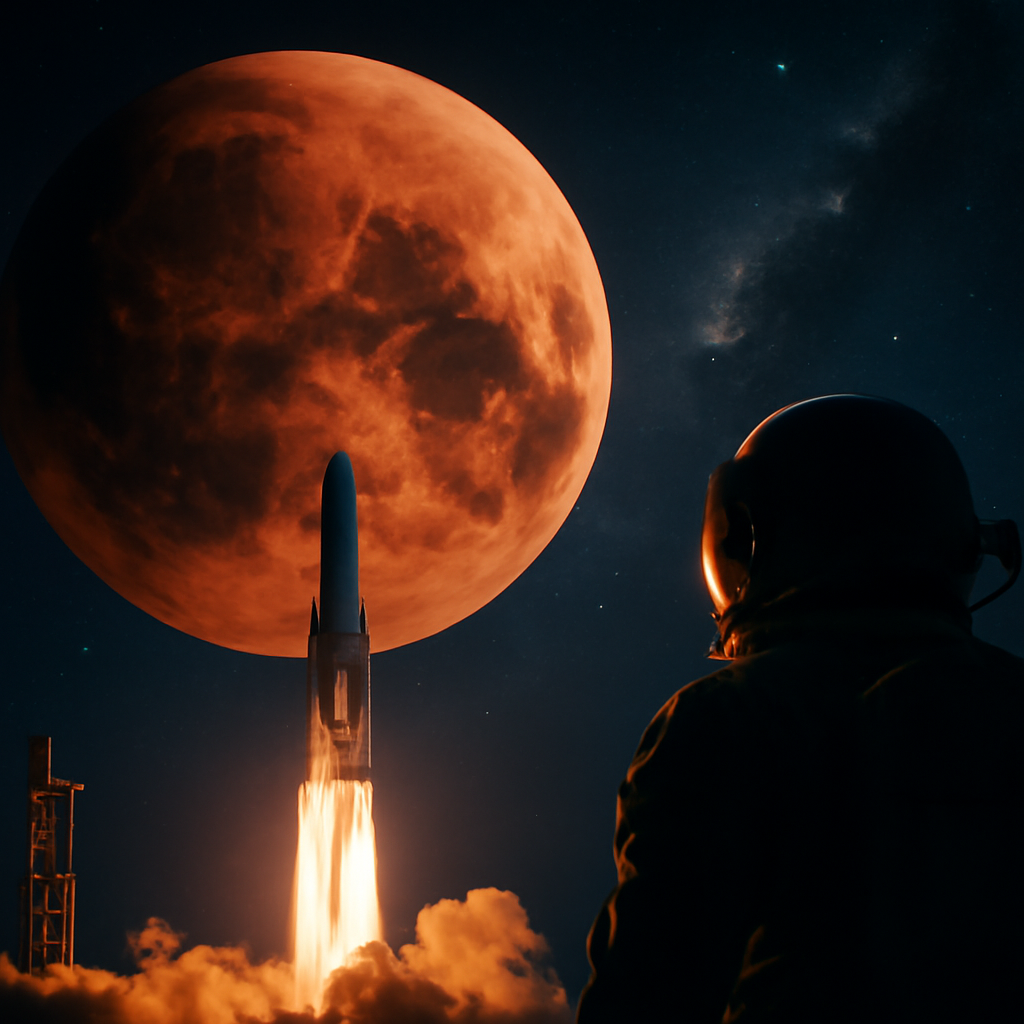
The Mars and spaceflight community is abuzz with anticipation for SpaceX's upcoming Starship Flight 13, while simultaneously debating the company's financial standing and facing news of burgeoning competition.
The dominant conversation across social media platforms today centers on SpaceX's imminent Starship Flight 13, scheduled for July 16th. This upcoming test flight is generating significant excitement, with discussions focusing on its potential to test new Starlink satellites and push the Starship vehicle to higher operational pressures. Community members are sharing links to launch updates, FAA clearance following a previous booster mishap probe, and previews of the event.
However, alongside the anticipation for Starship's progress, a notable undercurrent of financial concern is also present. Several posts discuss SpaceX's recent inclusion in the Nasdaq-100 and share analyses suggesting its stock price may fall below its IPO valuation. Some express skepticism about the company's long-term financial health, linking it to broader political narratives.
Further adding to the discourse are observations about the evolving global space landscape. Mentions of China's successful sea-based rocket booster recovery and Amazon's new satellite internet service, Leo, aiming to challenge Starlink, highlight the increasing competition SpaceX faces. There are also scattered reports of geopolitical tensions, with Iran reportedly declaring SpaceX and Starlink assets as legitimate military targets in West Asia.
Amidst these varied discussions, there are also tidbits of broader space exploration news, including astronauts taking X-rays in space and NASA's SunRISE mission switching to a Falcon Heavy launch vehicle.
The current discourse reflects a dual focus within the spaceflight community: the relentless pursuit of technological advancement, exemplified by Starship's ambitious test flights, and the pragmatic realities of market economics and geopolitical competition. This tension between innovation and established financial/political structures will define the pace and direction of multi-planetary progress in the coming years.
This content was produced by the news editor with AI.