SpaceX's Starship Flight 12 to Debut Raptor 3 Engines on Booster 19
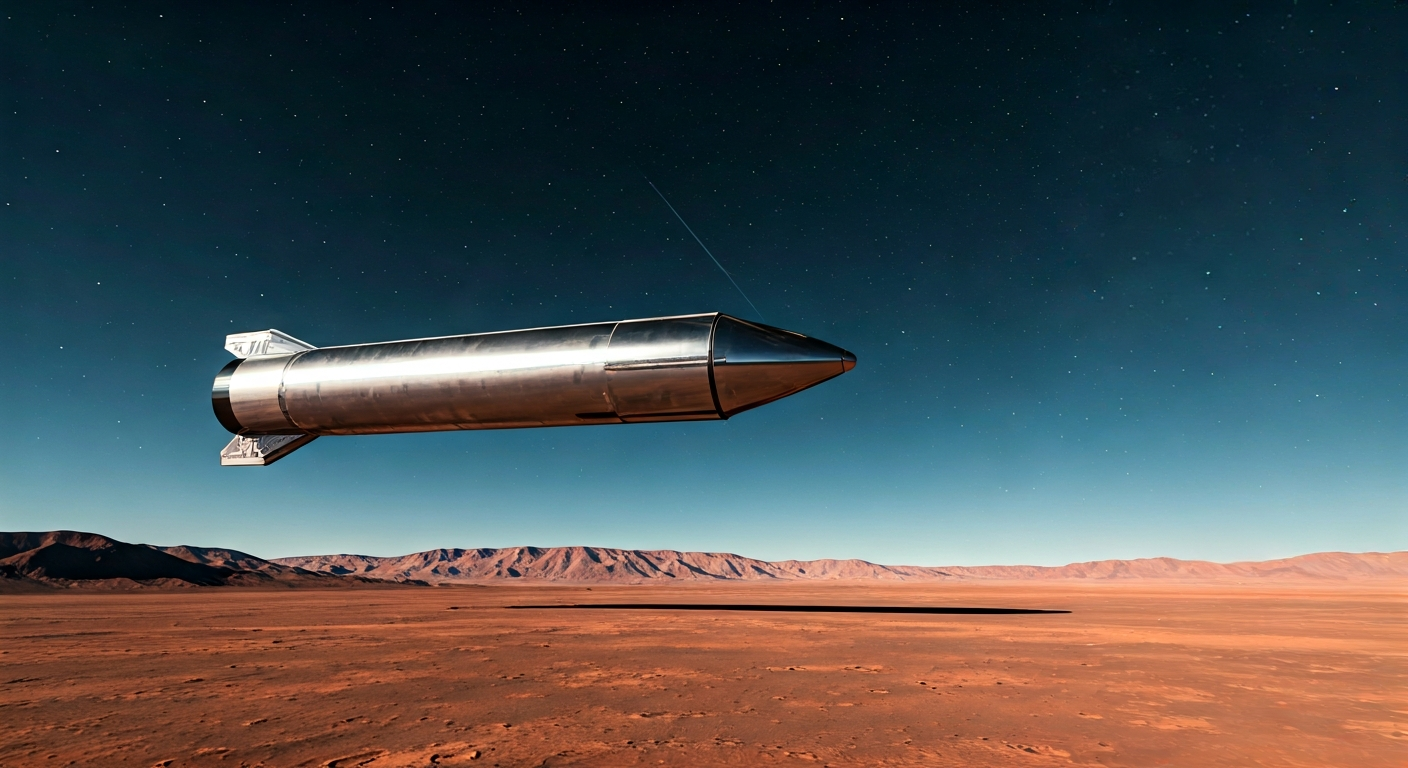
The upcoming Starship Flight 12 mission will mark a significant milestone with the first test of SpaceX's advanced Raptor 3 engines.
SpaceX is preparing for its twelfth orbital test flight of the Starship system, designated Flight 12. A key objective for this mission is the maiden flight of the new Raptor 3 engines. These engines will be installed on Booster 19, which is part of the V3 iteration of the Super Heavy booster.
The Raptor 3 represents an evolution of SpaceX's methalox (liquid methane and liquid oxygen) rocket engine technology. While specific performance enhancements of the Raptor 3 are not detailed in the provided information, its introduction signifies continued development and refinement of the propulsion systems critical for Starship's ambitious goals.
Booster 19, equipped with these next-generation engines, will undergo testing during Flight 12. This flight aims to gather crucial data on the performance, reliability, and integration of the Raptor 3 engines under actual launch conditions. Success in this test is vital for progressing Starship's development roadmap.
SpaceX has been systematically iterating on its Starship hardware, with V3 representing a further refinement of the design. The integration of the Raptor 3 engines into Booster 19 is a direct outcome of this iterative development process, pushing the capabilities of the reusable launch system.
The integration of Raptor 3 engines on Booster 19 for Starship Flight 12 is a pivotal step in scaling humanity's reach. These advanced engines, representing an exponential leap in propulsion efficiency, are essential for achieving the high cadence and performance required for interplanetary colonization. Each successful engine test accelerates the timeline for fully reusable, cost-effective transport to Mars. This incremental yet rapid progress in engine technology directly fuels the long-term vision of establishing self-sustaining Martian outposts, ensuring the survival and expansion of consciousness beyond Earth.
Edited by the news editor with AI from the original report — please refer to the original source.