SpaceX's Starlink Expands, Offering High-Speed Internet from Orbit
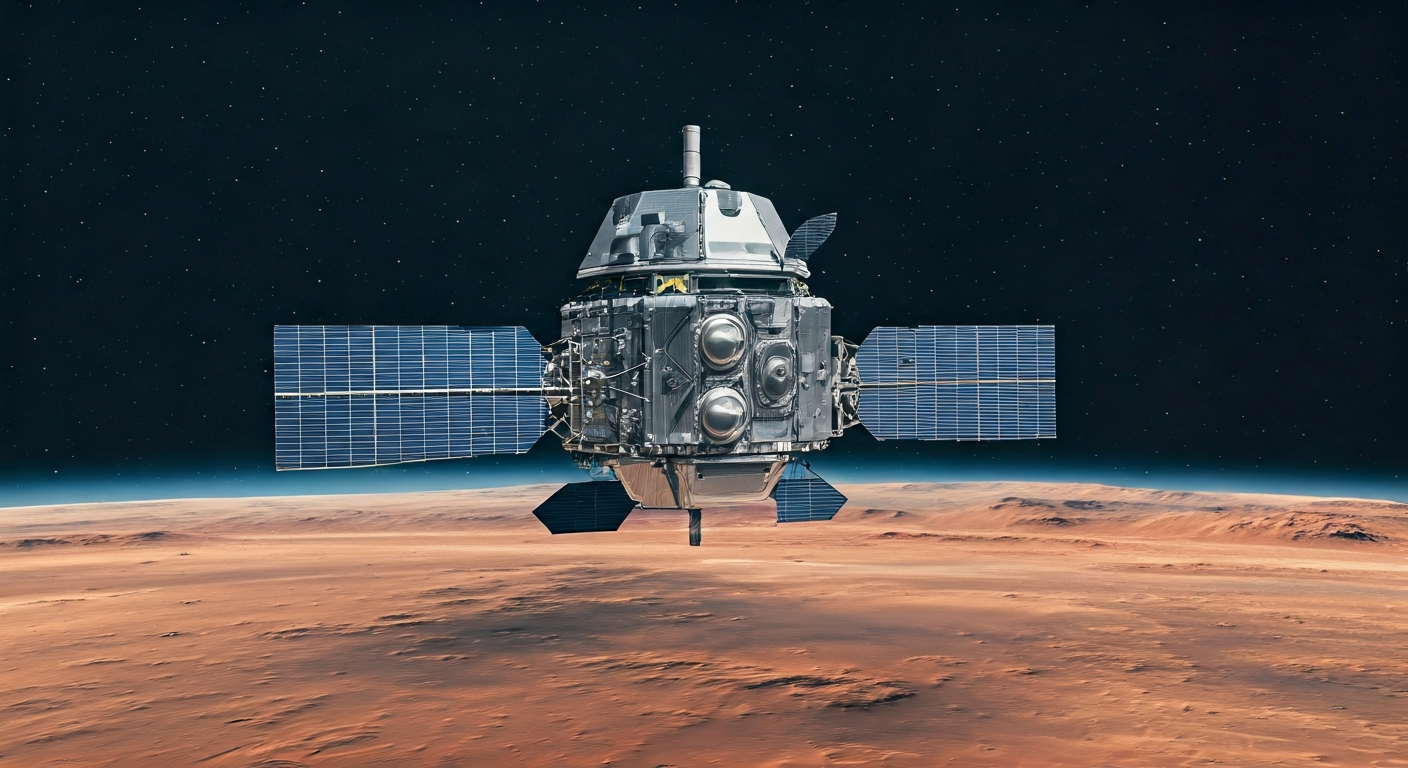
SpaceX's Starlink satellite internet service is making significant strides, providing high-speed, low-latency connectivity to users worldwide.
SpaceX's Starlink constellation is rapidly evolving beyond its initial vision of enabling Mars colonization, now serving as a robust global internet provider. The company has deployed thousands of satellites into low Earth orbit, forming a network designed to deliver broadband internet access to underserved and remote areas.
Starlink's service is characterized by its ability to offer speeds comparable to traditional fiber optic connections, with significantly reduced latency. This is made possible by the satellites' proximity to Earth, a key advantage over geostationary satellites used by some other providers. The service has seen widespread adoption, connecting homes, businesses, and even mobile platforms like RVs and ships.
While the ultimate goal of SpaceX remains the establishment of a self-sustaining civilization on Mars, the expansion of Starlink represents a crucial intermediate step. The revenue generated from Starlink services is vital for funding SpaceX's ambitious interplanetary endeavors, including the development of Starship, the company's super heavy-lift launch vehicle.
Starlink's infrastructure is not just about terrestrial connectivity; it's also being positioned as a foundational element for future space operations. The network's extensive reach and high-speed capabilities could prove invaluable for communication and data transfer for missions beyond Earth, including eventual Martian settlements.
Starlink's burgeoning success as a global data network is more than just a commercial venture; it's a vital stepping stone toward becoming a multi-planetary species. The revenue stream generated by this ubiquitous, high-speed internet infrastructure directly fuels the exponential development of Starship and other technologies essential for Mars colonization. By mastering global, low-latency communication, SpaceX is building the very nervous system that will connect and sustain future off-world settlements, proving that our expansion into the cosmos is powered by accelerating technological convergence and a clear, long-term vision for humanity's survival beyond Earth.
Edited by the news editor with AI from the original report — please refer to the original source.