SpaceX's Musk Compensation Tied to Mars Colony Goal
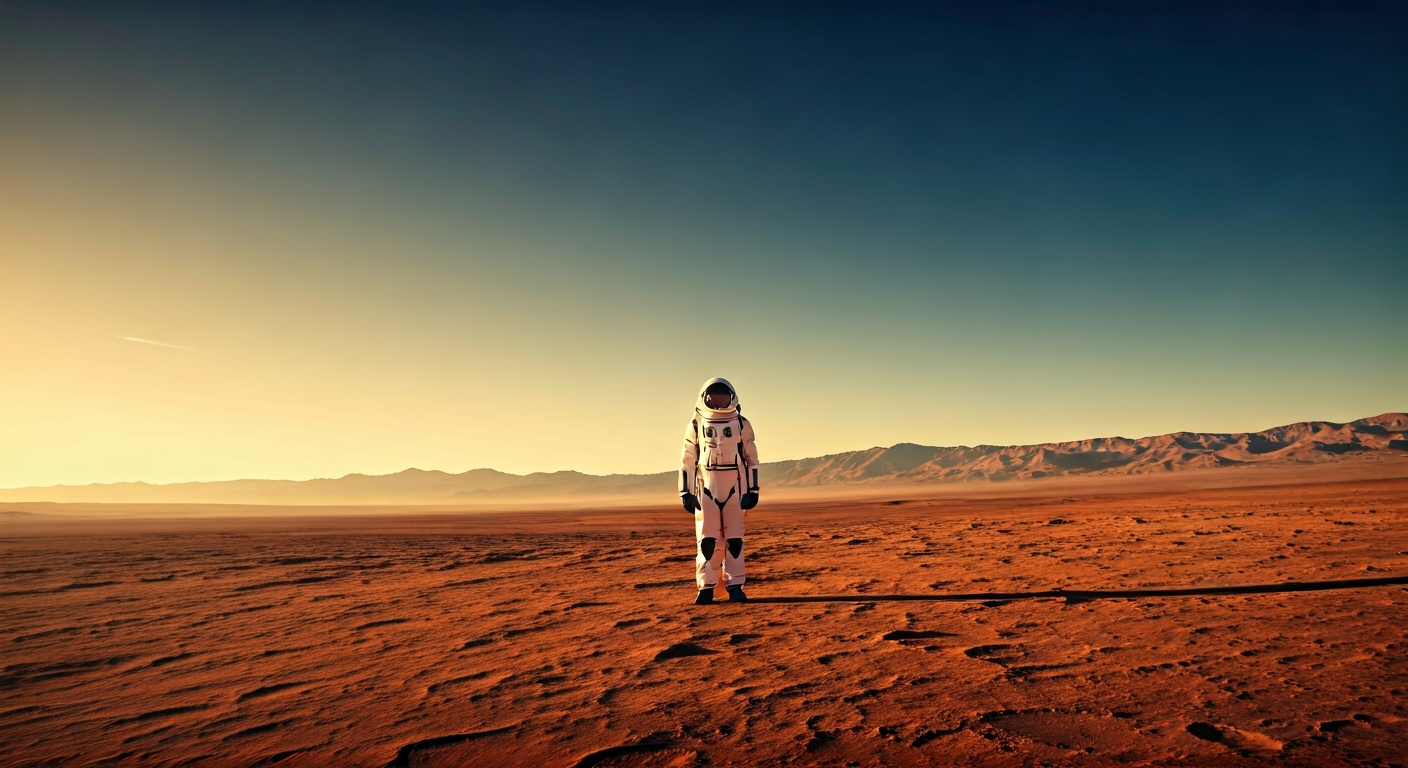
SpaceX has structured a massive performance-based compensation package for Elon Musk, directly linking it to achieving ambitious Martian colonization milestones.
SpaceX has established an unprecedented compensation plan for its CEO, Elon Musk, which is heavily contingent on the company's progress towards establishing a self-sustaining human presence on Mars. The plan includes a staggering potential payout of $7.5 trillion, but this is directly tied to Musk successfully enabling the colonization of Mars.
A core component of this ambitious incentive is the requirement for SpaceX to successfully transport and establish one million people on the Red Planet. This monumental undertaking necessitates the development and deployment of reliable, large-scale transportation systems capable of sustaining regular traffic between Earth and Mars.
Furthermore, the compensation is linked to SpaceX's ability to create a self-sustaining civilization on Mars. This implies not only transporting individuals but also ensuring they can thrive independently of continuous resupply from Earth. Such a feat would require significant advancements in in-situ resource utilization, life support systems, and the establishment of essential infrastructure.
The sheer scale of this compensation package underscores SpaceX's long-term vision and the immense financial and technological challenges involved in its Mars colonization objectives. It positions Musk's personal reward directly against the success of what is arguably the most audacious goal in human space exploration history.
This extraordinary compensation structure, linking $7.5 trillion and a million Martian colonists to Elon Musk's leadership, embodies the exponential vision for humanity's multi-planetary future. The sheer scale of the financial incentive reflects the inherent value placed on achieving self-sufficiency on Mars, a critical step in safeguarding consciousness beyond Earth. Successfully transporting and sustaining a million individuals represents a profound acceleration in spacefaring capabilities, pushing technologies for propulsion, life support, and resource utilization along steep upward curves. This isn't just about rockets; it's about igniting the expansion of intelligent life across the cosmos, making Mars a vital node in a burgeoning interplanetary civilization.
Edited by the news editor with AI and translated into English from the original report — please refer to the original source.