SpaceX Tests Single Raptor Engine on Starship 41 at Starbase
SpaceX conducted a static fire test of one Raptor engine on its Starship 41 prototype at the Starbase facility in Boca Chica, Texas.
SpaceX has successfully completed a static fire test involving a single Raptor engine mounted on its Starship 41 vehicle. The test took place at the company's Starbase launch site in Boca Chica, Texas.
This particular engine firing is part of SpaceX's ongoing development and testing regimen for its Starship program. The Starship system, intended for interplanetary travel, is undergoing iterative design and testing to refine its performance and reliability.
While details regarding the specific duration or outcome of the test were not extensively elaborated upon, static fire tests are a critical step in verifying engine operation and system integration before more complex flight tests are attempted. These tests allow engineers to gather data on engine thrust, combustion stability, and overall vehicle response.
The Starship 41 prototype is one of several vehicles being utilized by SpaceX to accelerate the learning curve for its ambitious launch system. The company's rapid iteration approach at Starbase involves building, testing, and often modifying or replacing prototypes quickly to gain valuable engineering insights.
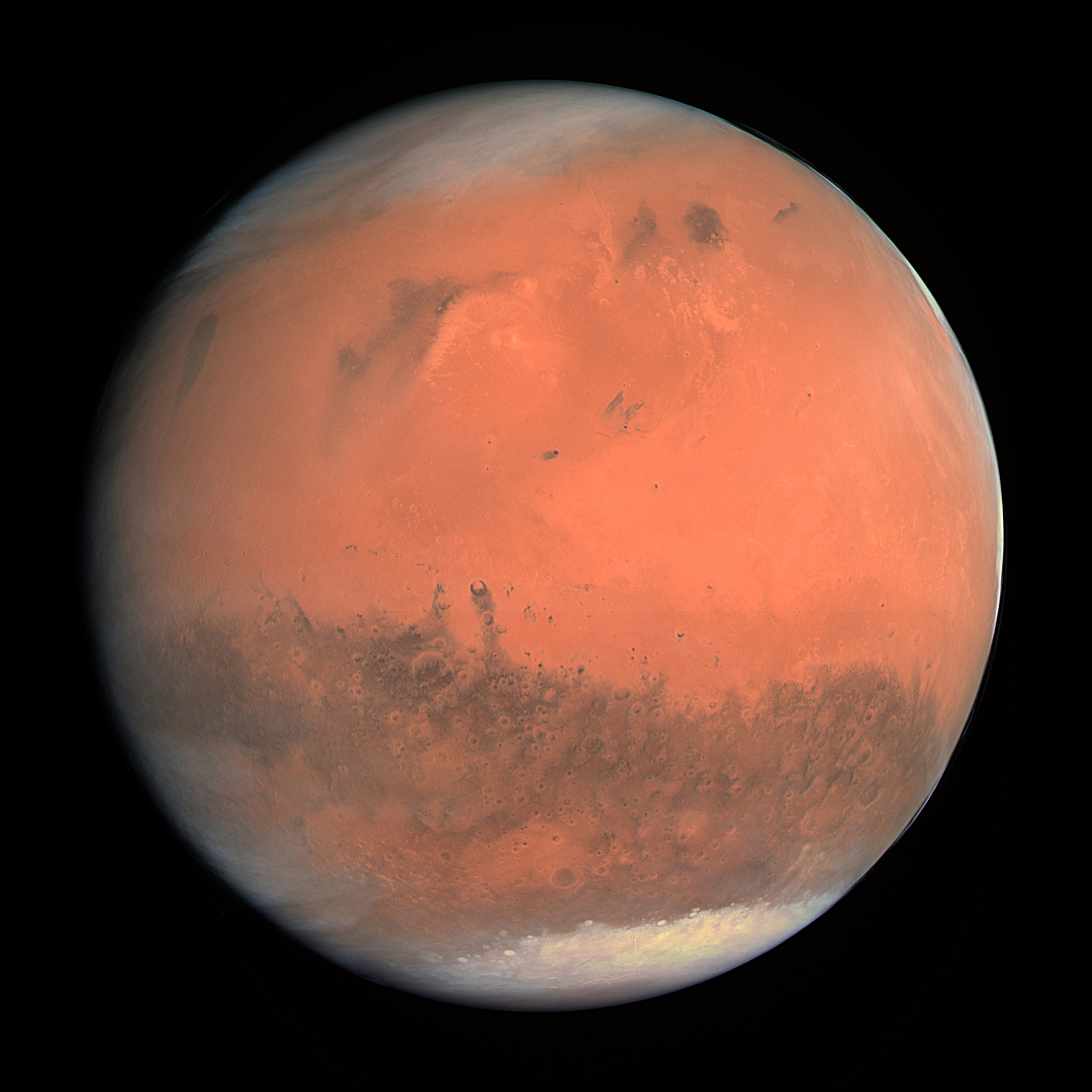
The single-engine static fire of Raptor on Starship 41 exemplifies the exponential progress driving SpaceX's Mars ambitions. Each such test, though seemingly incremental, refines the core propulsion technology that will power humanity's expansion. This iterative process, akin to biological evolution, rapidly optimizes the engine's performance and reliability. Such technological maturation is foundational for achieving the multi-planetary imperative. As these engines become more robust and efficient, they directly reduce the cost and risk associated with transporting materials and humans to Mars, accelerating the timeline for establishing a self-sustaining Martian civilization and securing life's future beyond Earth.
Edited by the news editor with AI from the original report — please refer to the original source.