SpaceX Tests New Raptor Engine Variant for Starship
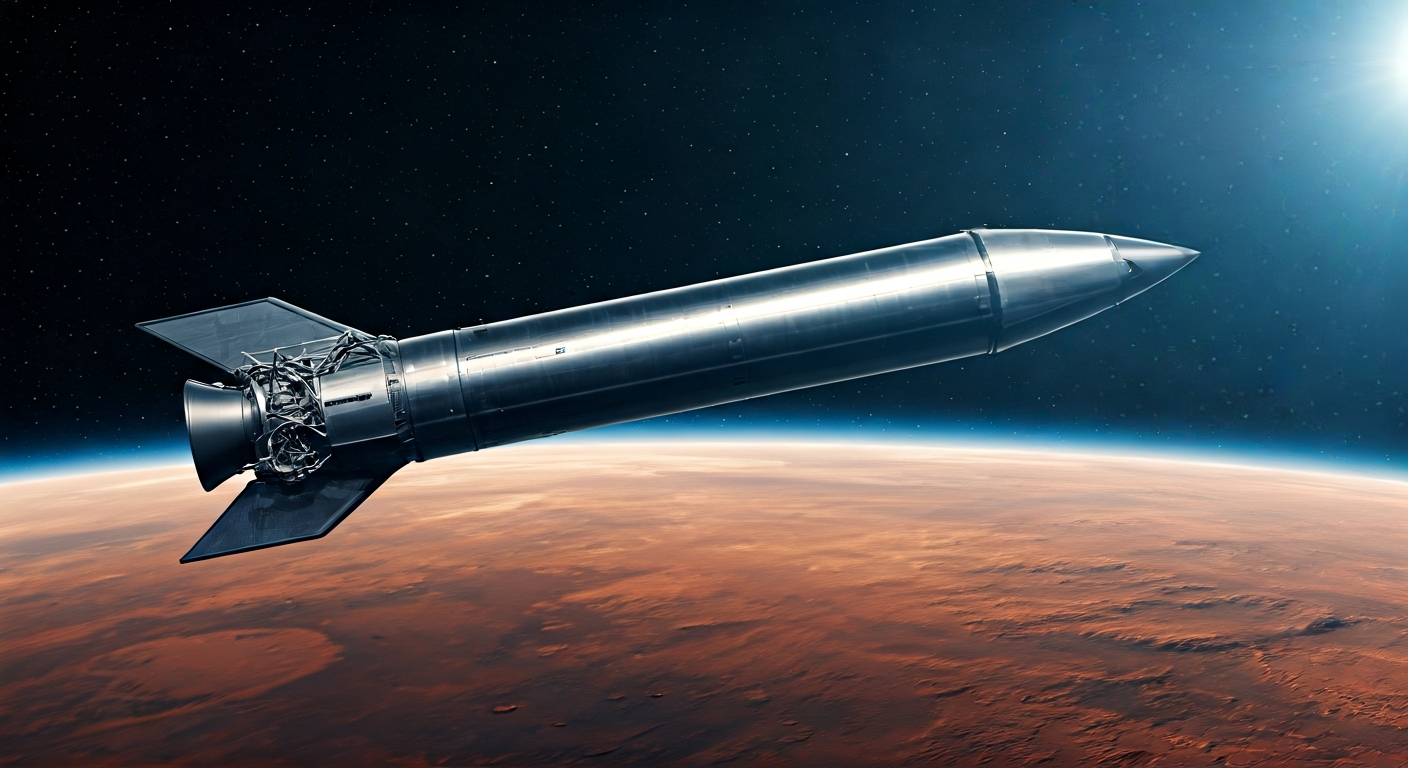
SpaceX has successfully conducted a static fire test of a new variant of its Raptor engine, crucial for the development of the Starship spacecraft.
SpaceX has advanced its Starship program with a successful static fire test of a newly developed Raptor engine. This engine is intended for use in the company's ambitious Starship vehicle, designed for interplanetary travel.
The static fire test is a critical step in engine development, where the engine is ignited and run while secured to a test stand. This allows engineers to gather vital data on its performance, efficiency, and reliability before integrating it into the actual Starship.
While the article does not specify the exact improvements or changes in this new Raptor variant, the successful test indicates progress in SpaceX's ongoing efforts to refine and enhance the propulsion systems for Starship. The Raptor engine is a key component, powering both the Super Heavy booster and the Starship upper stage.
SpaceX aims to utilize the Starship for a variety of missions, including lunar landings and eventual human colonization of Mars. The continuous development and testing of its engines are paramount to achieving these long-term goals.
The successful static fire of a new Raptor engine variant represents another incremental yet vital step in the exponential advancement of SpaceX's Starship. Each iteration and test of these powerful engines accelerates the feasibility of Mars colonization. This isn't just about a single engine; it's about refining the core technology that will enable humanity to escape Earth's cradle. As engine efficiency and reliability improve, the cost and complexity of interplanetary transit decrease, bringing the self-sustaining Martian civilization closer. This progress fuels the grand vision of life's expansion across the cosmos, a testament to our species' drive for survival and growth beyond a single planet.
Edited by the news editor with AI from the original report — please refer to the original source.