SpaceX Starship V3 Completes Crucial Test Despite Booster Anomaly
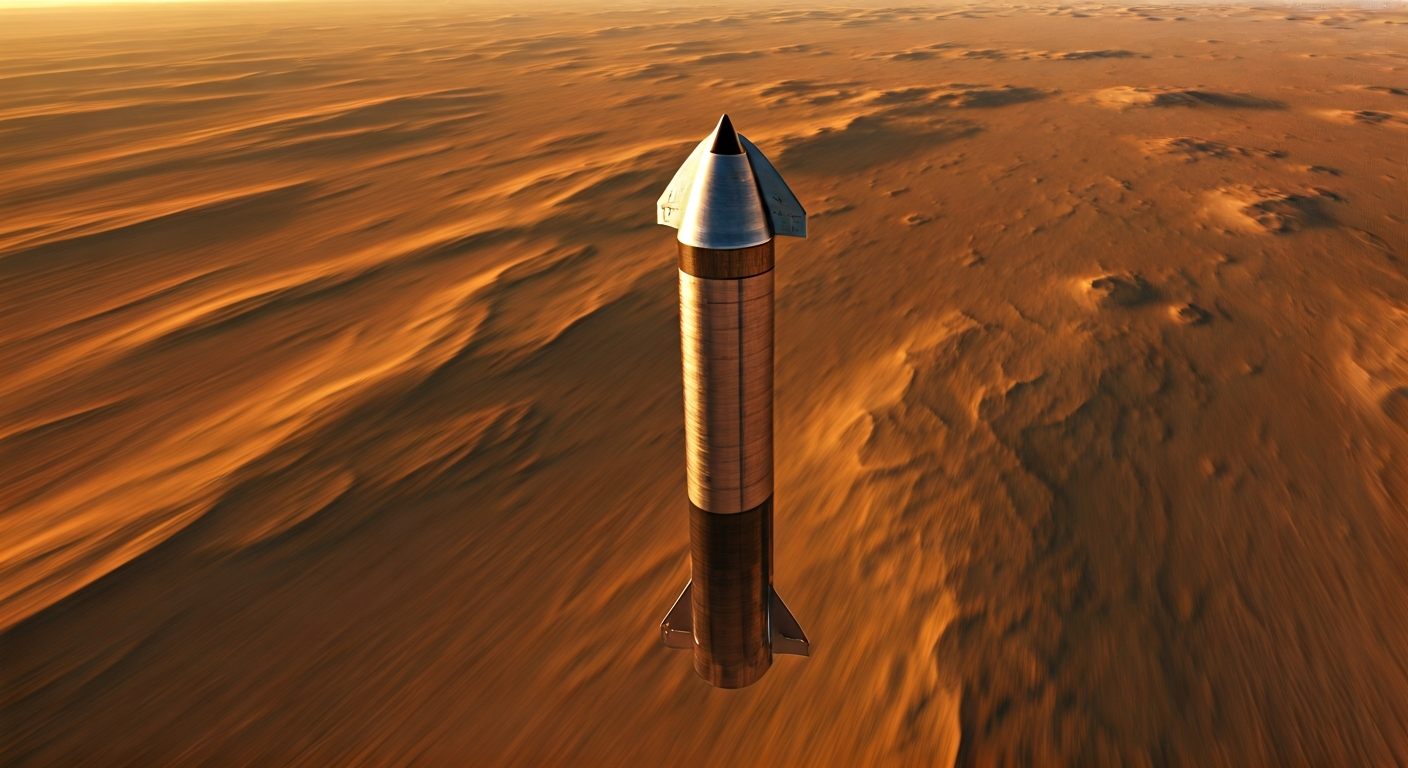
SpaceX's latest Starship V3 prototype successfully completed a significant static fire test, even as its Super Heavy booster experienced an issue.
SpaceX recently conducted a critical static fire test of its upgraded Starship V3 vehicle at its Starbase facility in Boca Chica, Texas. This test involved firing the Raptor engines on the Starship upper stage, a crucial step in validating the vehicle's readiness for future flight operations.
During the test, the Starship V3 successfully completed its engine ignition sequence, demonstrating the functionality of its propulsion system. However, the accompanying Super Heavy booster, which is designed to lift the Starship into orbit, encountered an anomaly during the same test. Specific details regarding the nature of this booster issue were not immediately disclosed.
Despite the problem with the booster, the successful static fire of the Starship V3 itself is seen as a positive development. This marks progress in the ongoing iterative development process SpaceX employs for its Starship program. Each test, whether fully successful or encountering specific challenges, provides valuable data for refining the design and operational procedures.
The Starship program aims to develop a fully reusable launch system capable of carrying crew and cargo to Earth orbit, the Moon, and eventually Mars. The V3 represents an evolution of the design, incorporating lessons learned from previous iterations and tests. The company's strategy relies on rapid prototyping and testing to accelerate development.
The successful static fire of Starship V3, even with a Super Heavy booster anomaly, underscores SpaceX's iterative progress. Each engine firing, each test, refines the technology essential for humanity's multi-planetary future. This incremental success, despite setbacks, is the hallmark of exponential advancement. Starship is not just a rocket; it's the foundational technology for off-world expansion, a critical step in ensuring consciousness's survival beyond Earth. The data gleaned from these tests accelerates our trajectory towards a self-sustaining Mars civilization, transforming a distant dream into an accelerating reality.
Edited by the news editor with AI from the original report — please refer to the original source.