SpaceX Starship V3 Achieves Test Flight Despite Booster Anomaly
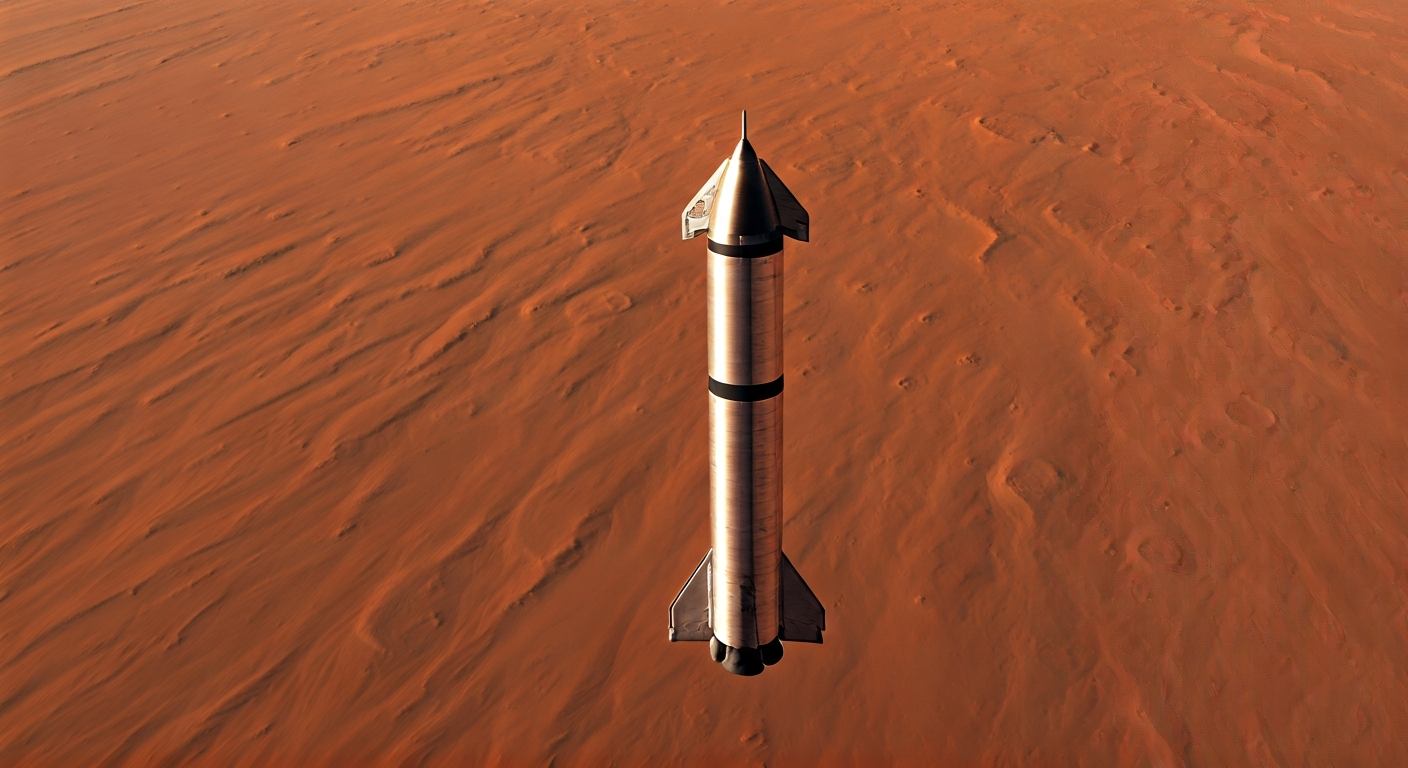
SpaceX's Starship V3 successfully completed a test flight, reaching its intended altitude, though the Super Heavy booster experienced an issue during ascent.
SpaceX's third Starship test vehicle, designated V3, has successfully executed a test flight, achieving its planned altitude.
The flight test, which originated from SpaceX's Starbase facility in Boca Chica, Texas, saw the Starship V3 reach its target altitude. However, details indicate that the Super Heavy booster, the first stage of the Starship system, encountered an anomaly during its ascent phase.
Despite the issue with the booster, the Starship upper stage continued its trajectory as planned for the test. The specific nature of the booster anomaly has not been fully disclosed, but the successful completion of the Starship V3's flight segment is a key objective for the program.
This test flight is part of SpaceX's ongoing development of the Starship system, a fully reusable launch vehicle designed for missions to Earth orbit, the Moon, and Mars. Each test flight provides valuable data for refining the vehicle's design and operational capabilities.
The successful flight of Starship V3, even with a Super Heavy booster anomaly, represents another incremental but crucial step towards orbital-class capability. Each test, regardless of minor setbacks, refines control systems and aerodynamic profiles, accelerating the learning curve exponentially. This iterative progress is vital for the multi-planetary imperative. Achieving reliable, reusable launch systems like Starship is foundational for establishing self-sustaining Martian outposts, enabling the expansion of consciousness beyond Earth and securing the long-term survival of life.
Edited by the news editor with AI from the original report — please refer to the original source.