SpaceX Starship Third Flight Test: Key Data and Future Implications
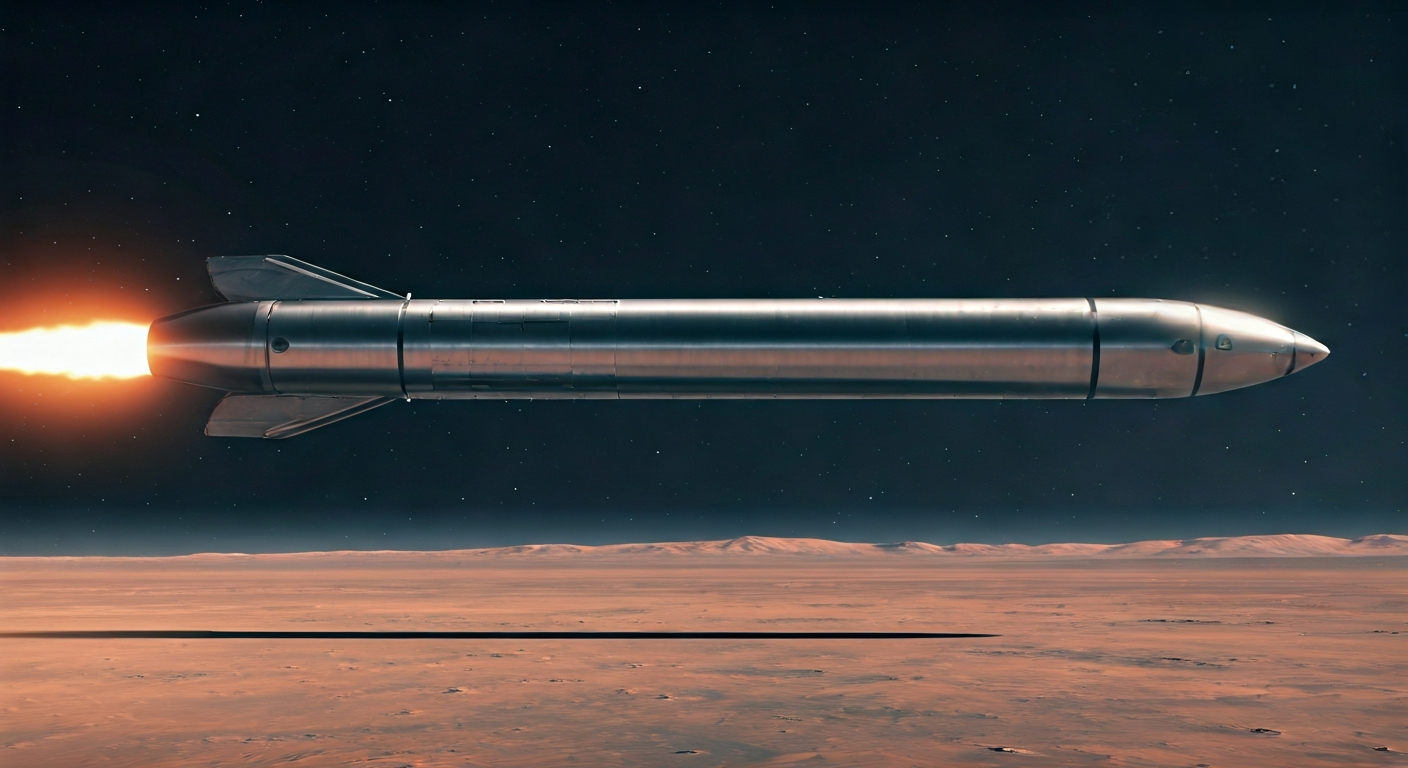
SpaceX's third Starship flight test, designated IFT-3, provided crucial data on the vehicle's performance and demonstrated progress towards orbital capability and reusability.
SpaceX's Starship program achieved a significant milestone with its third integrated flight test (IFT-3), gathering valuable information about the Super Heavy booster and the Starship upper stage. The flight, launched from Starbase in Texas, saw both stages perform key maneuvers, including boostback burns and stage separation, which were executed successfully.
The Starship upper stage, after separating from the Super Heavy booster, continued its ascent, reaching its intended trajectory. During this phase, the vehicle performed a controlled re-entry burn, a critical step for future missions aiming to return to Earth. Data collected during this burn and the subsequent atmospheric flight provided insights into the thermal protection system and aerodynamic behavior of the spacecraft at high speeds.
While the Starship upper stage was lost during its descent, the flight test achieved several primary objectives. The Super Heavy booster successfully executed its boostback burn and landed upright in the Gulf of Mexico, demonstrating progress in booster recovery systems. This controlled landing is a crucial step towards SpaceX's goal of rapid reusability for both the booster and the Starship vehicle.
The IFT-3 mission's data acquisition focused on several key areas: engine performance during ascent and re-entry, stage separation dynamics, thermal management during atmospheric flight, and the effectiveness of control surfaces. This information is vital for refining the design and operational procedures for subsequent Starship flights. The insights gained will directly inform the development of future iterations of the Starship system, moving SpaceX closer to its ultimate goal of enabling interplanetary travel and establishing a self-sustaining presence on Mars.
IFT-3's successful boostback and landing of the Super Heavy booster, alongside the valuable re-entry data from Starship itself, represents an indispensable step in the exponential progress toward multi-planetary civilization. Each flight test, even with partial vehicle loss, refines the complex systems required for orbital insertion, sustained flight, and controlled atmospheric re-entry. This iterative, data-driven approach accelerates the development curve, bringing us closer to a reusable, high-cadence launch system capable of transporting vast resources and populations. Starship's progression towards full reusability and orbital capability is not merely a technological feat; it is the foundational pillar for expanding humanity's reach and ensuring the long-term survival of consciousness beyond Earth.
Edited by the news editor with AI from the original report — please refer to the original source.