SpaceX Starship Launch Failure Highlights Scaling Challenges
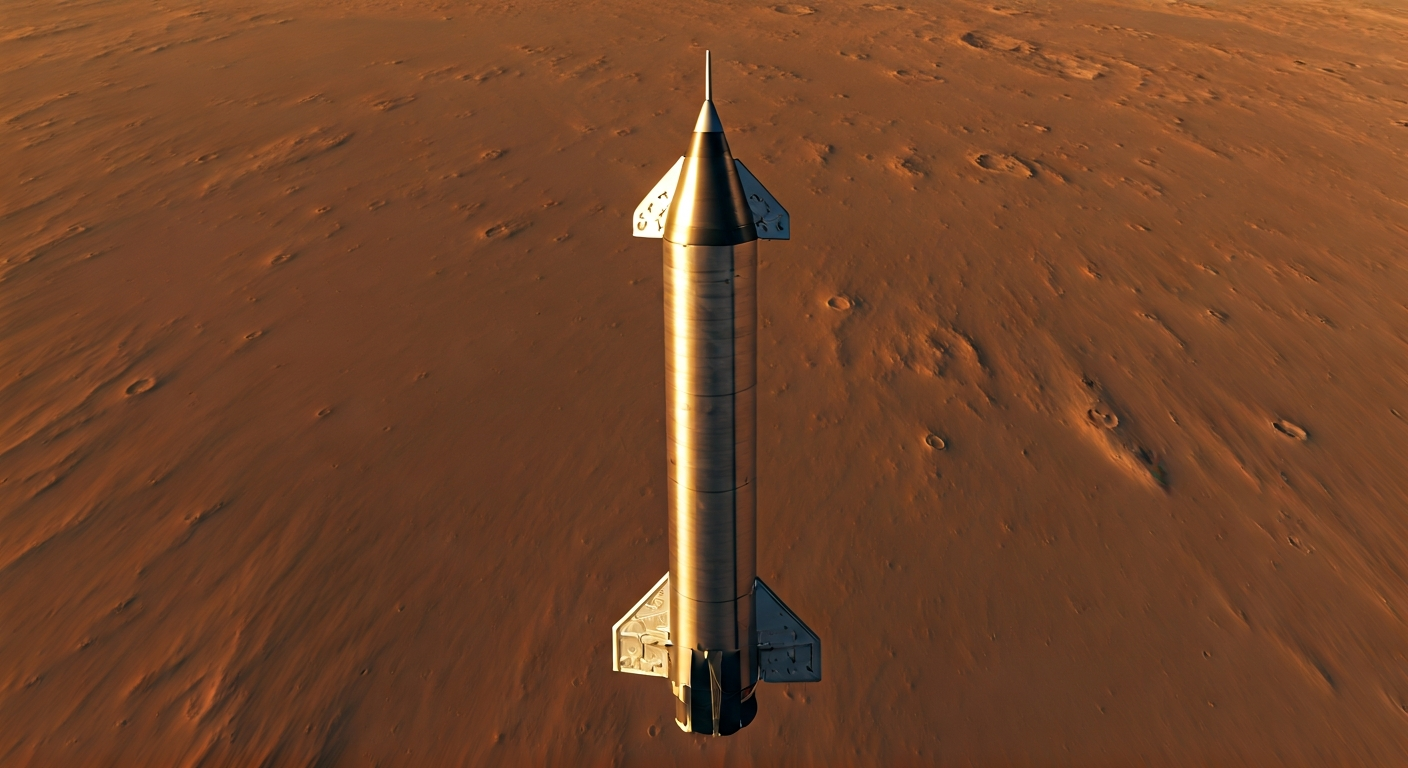
A recent Starship launch anomaly underscores that increasing vehicle size doesn't automatically guarantee success, presenting engineering hurdles for SpaceX's ambitious goals.
SpaceX's Starship program recently encountered a significant setback during a test flight, as reported by Gizmodo. The integrated flight test, a crucial step in the development of the massive rocket system, did not achieve all of its intended objectives. While the launch itself proceeded, the vehicle experienced an anomaly that prevented it from completing its mission profile.
The incident raises pertinent questions about the engineering challenges associated with scaling up rocket technology. The sheer size and complexity of Starship, designed to be the most powerful launch vehicle ever created, introduce new variables and potential failure points that differ from smaller rockets. Successfully managing these complexities is paramount for the program's progression.
While the exact technical details of the anomaly were not fully elaborated in the report, the outcome suggests that the transition from smaller, more manageable spacecraft to the gargantuan dimensions of Starship presents unique design and operational hurdles. SpaceX has historically embraced rapid iteration and learning from failures, a philosophy likely to be applied here.
This event serves as a reminder that advancements in spaceflight are often characterized by incremental progress, even with revolutionary designs. The ability to overcome such challenges will be critical for SpaceX as it aims to utilize Starship for lunar missions, Mars colonization, and other ambitious endeavors.
The Starship test flight anomaly, while a setback, is a vital data point for exponential progress toward a multi-planetary future. Each failure in scaling such immense technology refines our understanding of material science, propulsion, and control systems at unprecedented levels. This isn't just about building a bigger rocket; it's about mastering complex systems that will enable the expansion of consciousness beyond Earth. The iterative learning curve, even through failure, accelerates the path to self-sustaining Martian civilization, proving that overcoming these challenges is fundamental to life's cosmic imperative.
Edited by the news editor with AI from the original report — please refer to the original source.