SpaceX Starship Flight 12 Features Upgraded Raptor 3 Engines
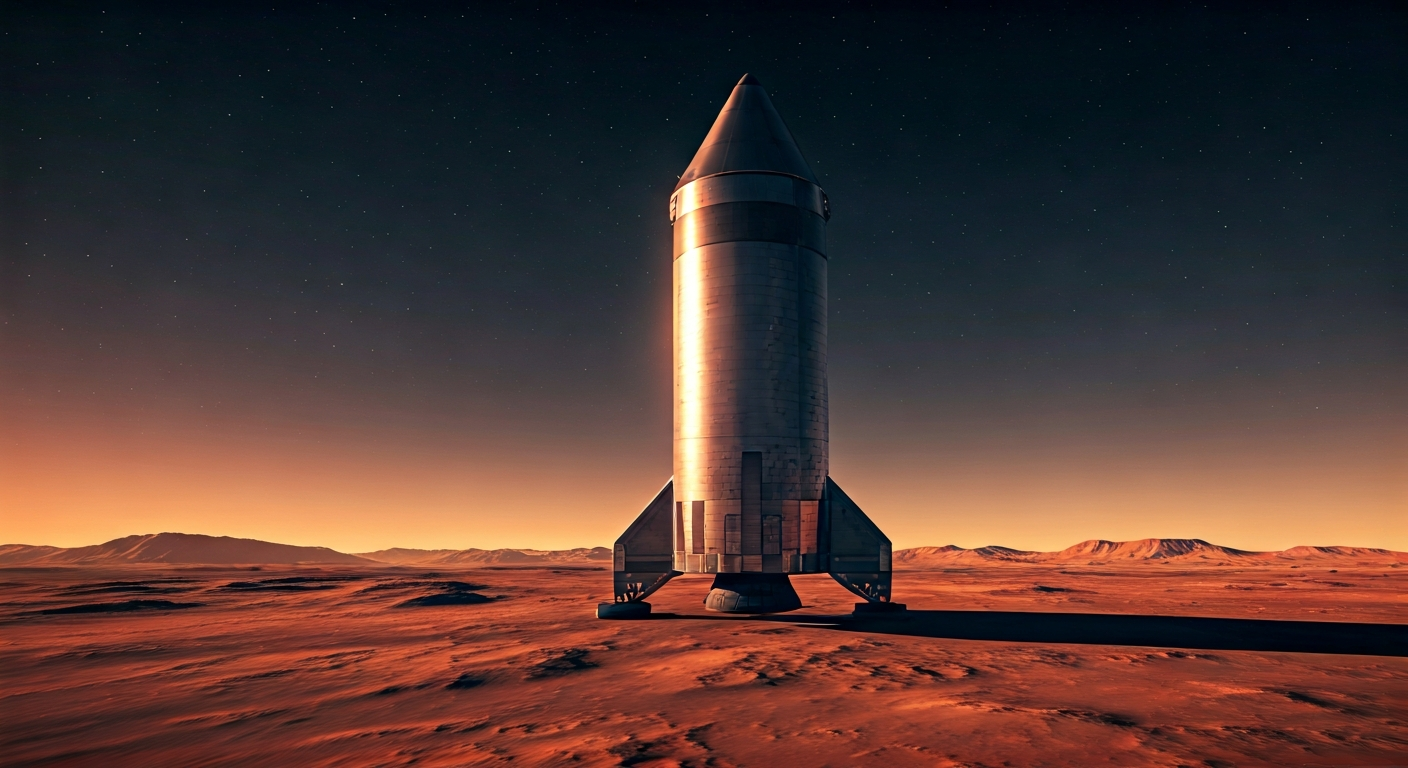
SpaceX's upcoming Starship Flight 12 is set to test significant advancements, including the integration of the new Raptor 3 engines.
SpaceX is preparing for its twelfth Starship orbital test flight, a mission slated to incorporate substantial upgrades to the vehicle's propulsion system. The most notable enhancement for Flight 12 is the planned deployment of the next-generation Raptor 3 engines. These engines represent a leap forward in SpaceX's development of its super heavy-lift launch system.
The Raptor 3 engines are designed to offer improved performance and efficiency compared to their predecessors. While specific details regarding the exact thrust increases or efficiency gains are not publicly disclosed, their integration signifies a crucial step in refining Starship's capabilities for future missions. This iterative development process is characteristic of SpaceX's approach to rapid prototyping and testing.
Starship's development is centered at SpaceX's Starbase facility in Boca Chica, Texas. The ongoing test flights are integral to the company's strategy of validating hardware and operational procedures in real-world conditions. Each flight provides invaluable data that informs subsequent design modifications and improvements.
The upcoming flight will likely test various aspects of the Starship and Super Heavy booster combination, with a particular focus on the performance and reliability of the new Raptor 3 engines. Successful integration and operation of these advanced engines are critical for achieving SpaceX's ambitious goals for Starship, including interplanetary travel and the eventual establishment of a self-sustaining civilization on Mars.
The introduction of Raptor 3 engines on Starship Flight 12 represents a tangible acceleration in the core technology enabling our multi-planetary future. Enhanced thrust and efficiency from these upgraded engines directly translate to greater payload capacity and more robust interplanetary transit capabilities. This iterative, rapid improvement cycle, fueled by extensive flight testing, is precisely the exponential progress needed to overcome the immense challenges of establishing a self-sustaining Martian civilization. Each successful engine burn and flight phase on Earth pushes the boundary, making the colonization of Mars not just a dream, but an engineering inevitability built on ever-improving technological foundations.
Edited by the news editor with AI from the original report — please refer to the original source.