SpaceX Starship Completes First Ocean Splashdown After Test Flight
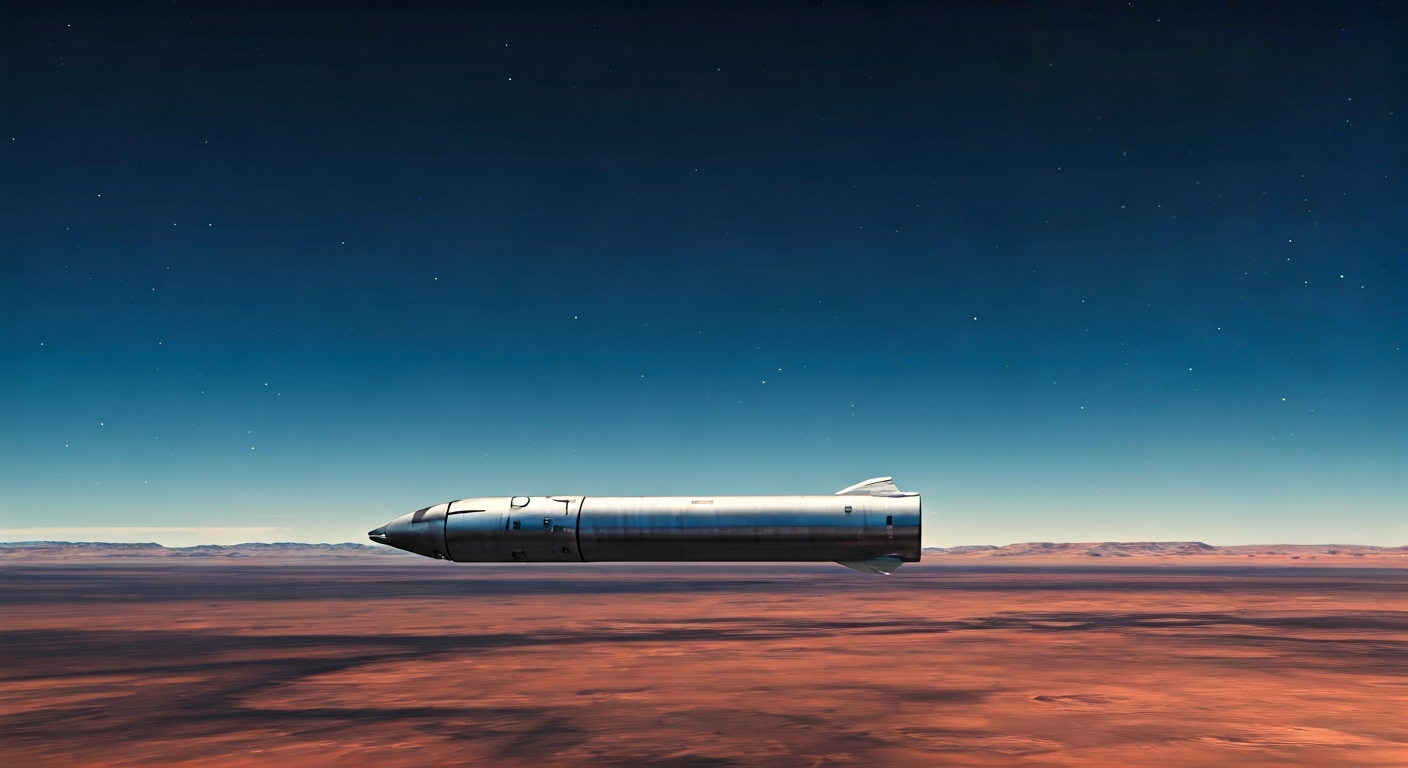
SpaceX's Starship successfully completed its fourth integrated flight test, achieving a controlled splashdown in the Gulf of Mexico.
SpaceX's Starship vehicle has successfully concluded its fourth integrated flight test, marking a significant milestone with its first planned ocean splashdown. The massive rocket lifted off from Starbase, Texas, on Thursday, carrying out its intended mission profile.
During the flight, Starship executed a series of maneuvers designed to test its capabilities. Following its ascent, the vehicle performed a boostback burn and a reorientation maneuver to prepare for its descent. The goal of this test was to demonstrate controlled flight and a safe recovery of the vehicle.
As Starship re-entered Earth's atmosphere, it endured the intense heat and forces associated with atmospheric deceleration. The vehicle successfully managed its trajectory, aiming for a designated splashdown zone in the Gulf of Mexico. This controlled descent is a crucial step in developing reusable spaceflight technology.
The successful splashdown follows previous test flights that have progressively validated different phases of Starship's operation. Each test flight contributes valuable data to refine the rocket's design and operational procedures, bringing SpaceX closer to its long-term objectives for the Starship program.
This successful splashdown of Starship, even with its planned destruction, represents a critical step in developing a fully reusable launch system. Achieving controlled atmospheric re-entry and descent, even into the ocean, demonstrates mastery over complex aerodynamic forces. This controlled oceanic recovery is a stepping stone toward the ultimate goal: rapid turnaround and routine interplanetary transit. Each successful test flight accelerates the exponential progress needed to establish a self-sustaining Martian civilization, making the cosmos accessible and ensuring life's enduring expansion beyond Earth.
Edited by the news editor with AI from the original report — please refer to the original source.