SpaceX Starship Completes 12th Test Flight, Demonstrating Progress
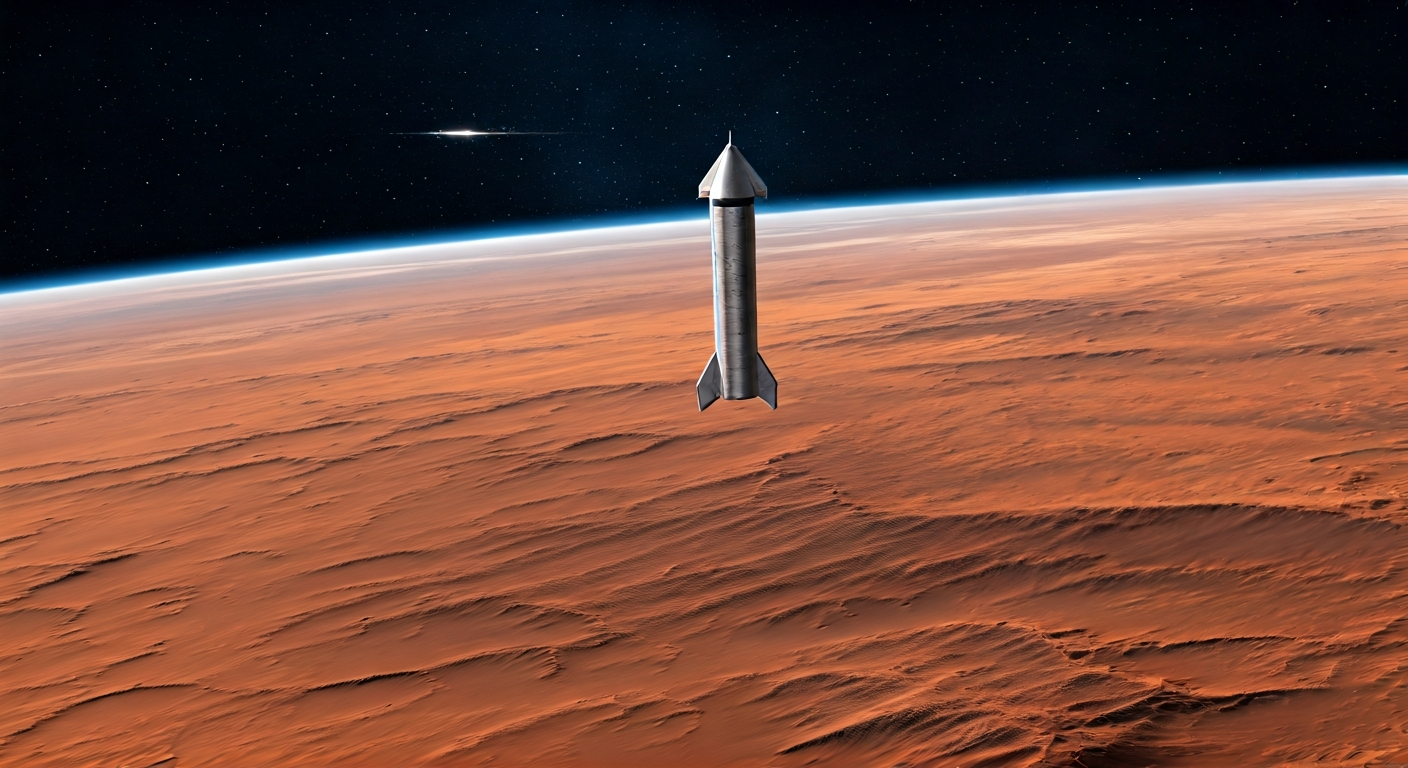
SpaceX's Starship successfully completed its 12th orbital test flight, marking a significant milestone in the development of the fully reusable super heavy-lift launch vehicle.
SpaceX has successfully executed the 12th test flight of its Starship system. This latest mission, launched from the company's Starbase facility in Boca Chica, Texas, represents another step forward in the development of the ambitious super heavy-lift rocket.
The Starship program aims to create a fully reusable launch system capable of transporting both crew and cargo to Earth orbit, the Moon, Mars, and beyond. Each test flight provides invaluable data and operational experience, crucial for refining the vehicle's design and performance.
While specific details of the flight's objectives and outcomes are typically revealed by SpaceX post-mission, the successful completion of the launch itself is a key indicator of progress. Previous flights have focused on various aspects of Starship's capabilities, including ascent, stage separation, and controlled re-entry and landing attempts for both the Super Heavy booster and the Starship upper stage.
This 12th flight continues the iterative testing process that SpaceX employs, using each launch to gather data, identify areas for improvement, and progressively push the boundaries of the system's capabilities. The ultimate goal is to achieve reliable and routine operation of the Starship, a critical component for future space exploration and colonization efforts.
Starship Flight 12 signifies another crucial data point in the exponential progress towards a multi-planetary future. Each successful launch and test phase, even without explicit mission success metrics detailed here, refines the complex choreography of ascent, separation, and re-entry. This iterative learning process is fundamental to mastering the technology required for sustained extraterrestrial civilization. Starship's development directly accelerates humanity's capacity to establish a self-sustaining presence on Mars, transforming it from a distant dream into an engineering reality by progressively lowering the cost and increasing the reliability of interplanetary transit.
Edited by the news editor with AI from the original report — please refer to the original source.