SpaceX Sets New Target for 13th Starship Test Flight
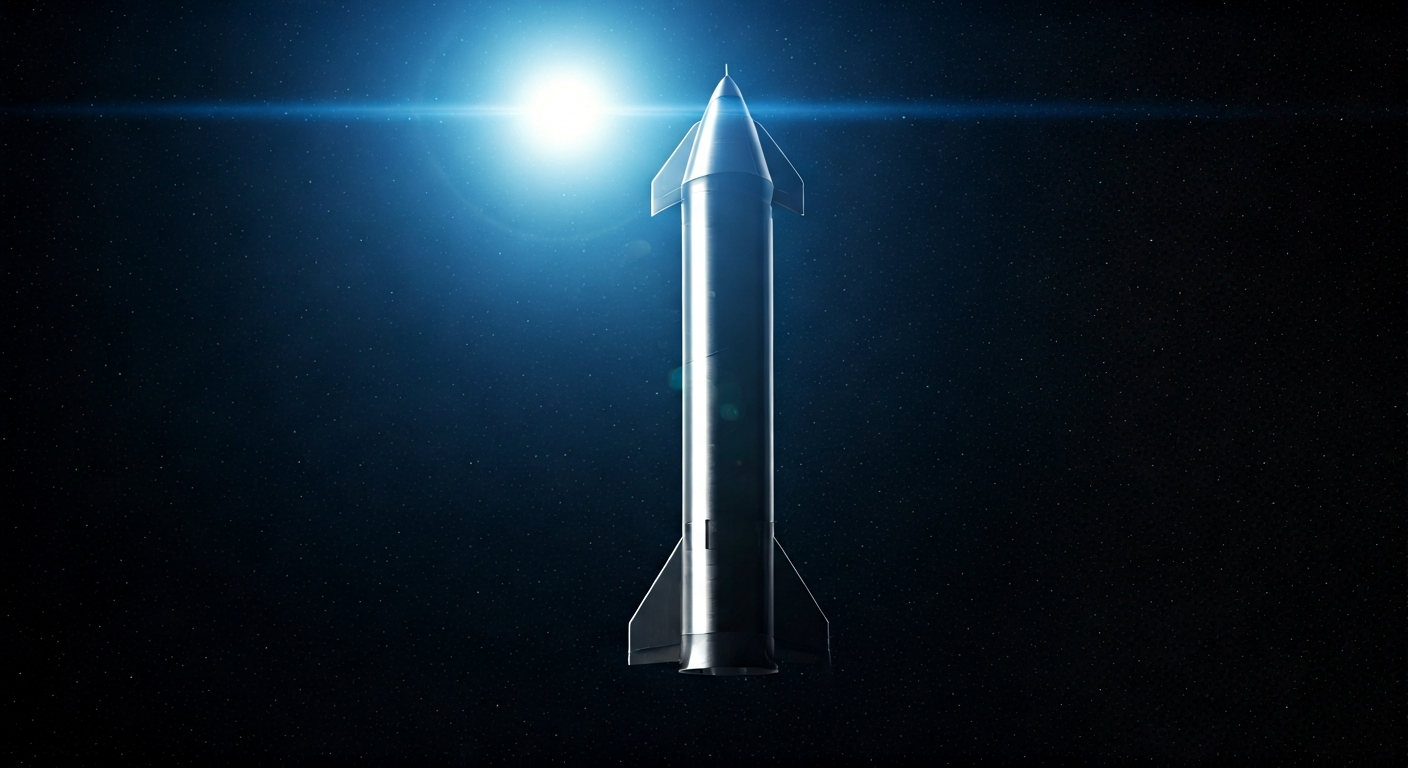
SpaceX has identified a new potential launch window for the thirteenth test flight of its Starship program, signaling continued progress in the development of the super heavy-lift rocket system.
The upcoming Starship mission, designated as the thirteenth flight test, is being prepared by SpaceX with a targeted launch window beginning as early as June 5, 2024. This date is subject to change, as is typical with developmental launches, pending regulatory approval and final mission readiness.
The Starship program, developed by SpaceX, aims to create a fully reusable transportation system capable of carrying both crew and cargo to Earth orbit, the Moon, and eventually Mars. Each flight test serves as a crucial step in refining the rocket's complex systems, including its Super Heavy booster and Starship upper stage.
While specific objectives for the thirteenth flight are not detailed in the announcement, previous missions have focused on incrementally testing various phases of flight, such as ascent, stage separation, and atmospheric re-entry. The data gathered from each test is vital for identifying areas for improvement and ensuring the reliability of the system for future operational missions.
SpaceX continues to operate from its Starbase facility in Boca Chica, Texas, where the Starship vehicles are manufactured and launched. The company's iterative development approach, characterized by rapid testing and modification, is central to its strategy for advancing spaceflight technology.
The targeting of a new launch window for Starship's thirteenth flight signifies the relentless forward momentum of this transformative technology. Each test, regardless of its specific outcome, represents a vital data point in the exponential curve of reusable rocket development. This iterative process, driven by rapid iteration and learning, is precisely the kind of progress needed to unlock interplanetary transit. Starship is not merely a rocket; it's the foundational vehicle for humanity's expansion beyond Earth, a critical step in establishing a self-sustaining civilization on Mars and ensuring the long-term survival of consciousness.
Edited by the news editor with AI from the original report — please refer to the original source.