SpaceX Prepares Starship Flight 13
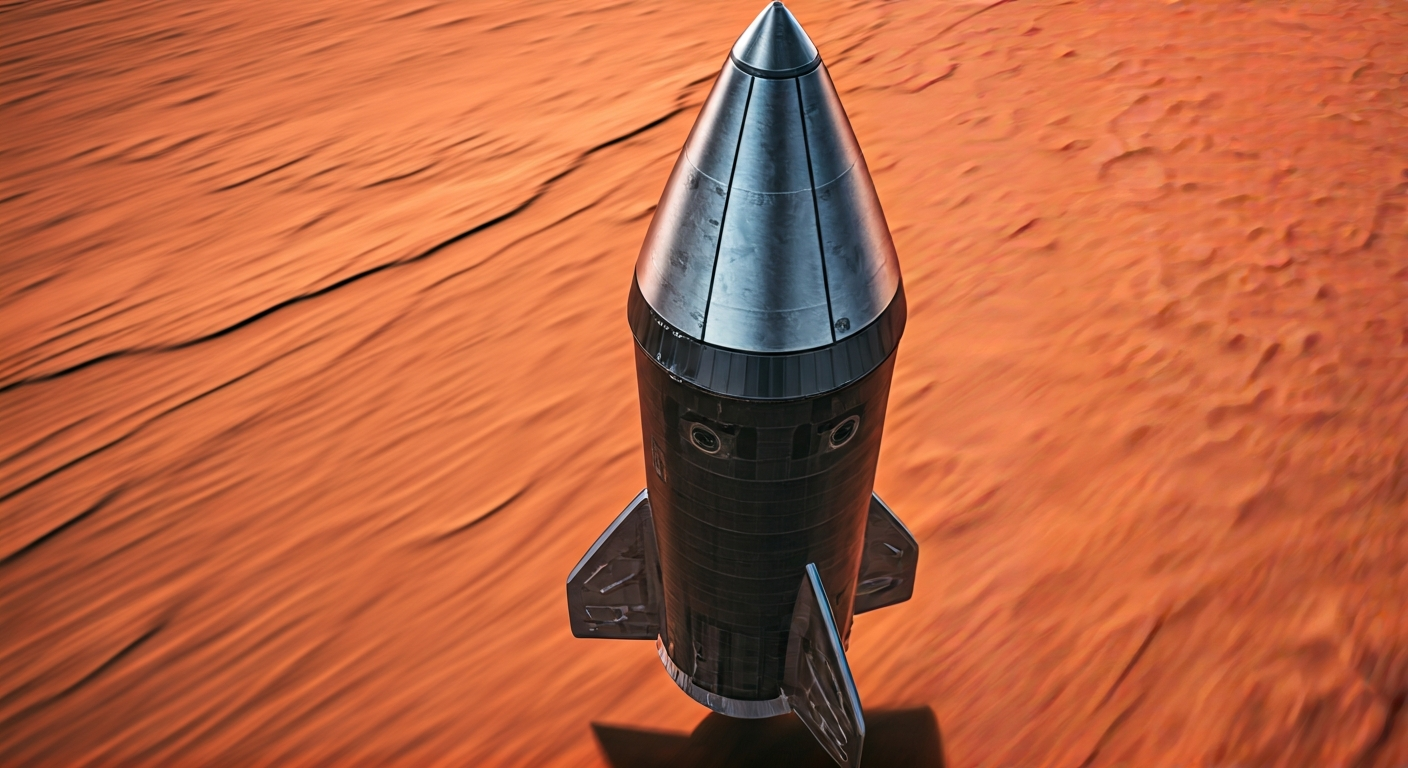
SpaceX is nearing the launch of its thirteenth Starship test vehicle, continuing its rapid iteration cycle for the next-generation spaceflight system.
SpaceX is actively preparing for the thirteenth flight test of its Starship spacecraft and Super Heavy booster. This upcoming mission marks another step in the company's aggressive development program for the fully reusable launch system.
The Starship program is characterized by its rapid prototyping and testing methodology. Each iteration of the vehicle is designed to incorporate lessons learned from previous flights, allowing for swift improvements and modifications. This approach is central to SpaceX's strategy for accelerating the development timeline.
While specific details regarding the objectives of Starship Flight 13 have not been extensively elaborated upon, the ongoing tests are crucial for validating the performance of both the Starship upper stage and the Super Heavy first-stage booster. These tests are essential for gathering data on ascent, stage separation, and potentially reentry and landing phases, depending on the mission profile.
The company has consistently emphasized the iterative nature of its Starship development. This means that each test flight, regardless of its immediate success or failure in achieving all predetermined goals, contributes valuable data that informs the design and operation of subsequent vehicles. This continuous feedback loop is a hallmark of SpaceX's engineering philosophy.
Starship Flight 13 represents another critical data point in SpaceX's exponential progress towards orbital-class, fully reusable rocketry. Each launch, even if not perfectly successful, refines the complex systems of the Starship and Super Heavy, accelerating our path to Mars. This iterative hardware development, akin to Moore's Law for rockets, is fundamental to reducing launch costs and enabling the infrastructure for a self-sustaining Martian civilization. The rapid deployment and testing cycle is not just about building a rocket; it's about building the foundational technology for humanity's expansion into the cosmos, ensuring life's long-term survival.
Edited by the news editor with AI from the original report — please refer to the original source.