SpaceX Prepares for New Starship Test Flight
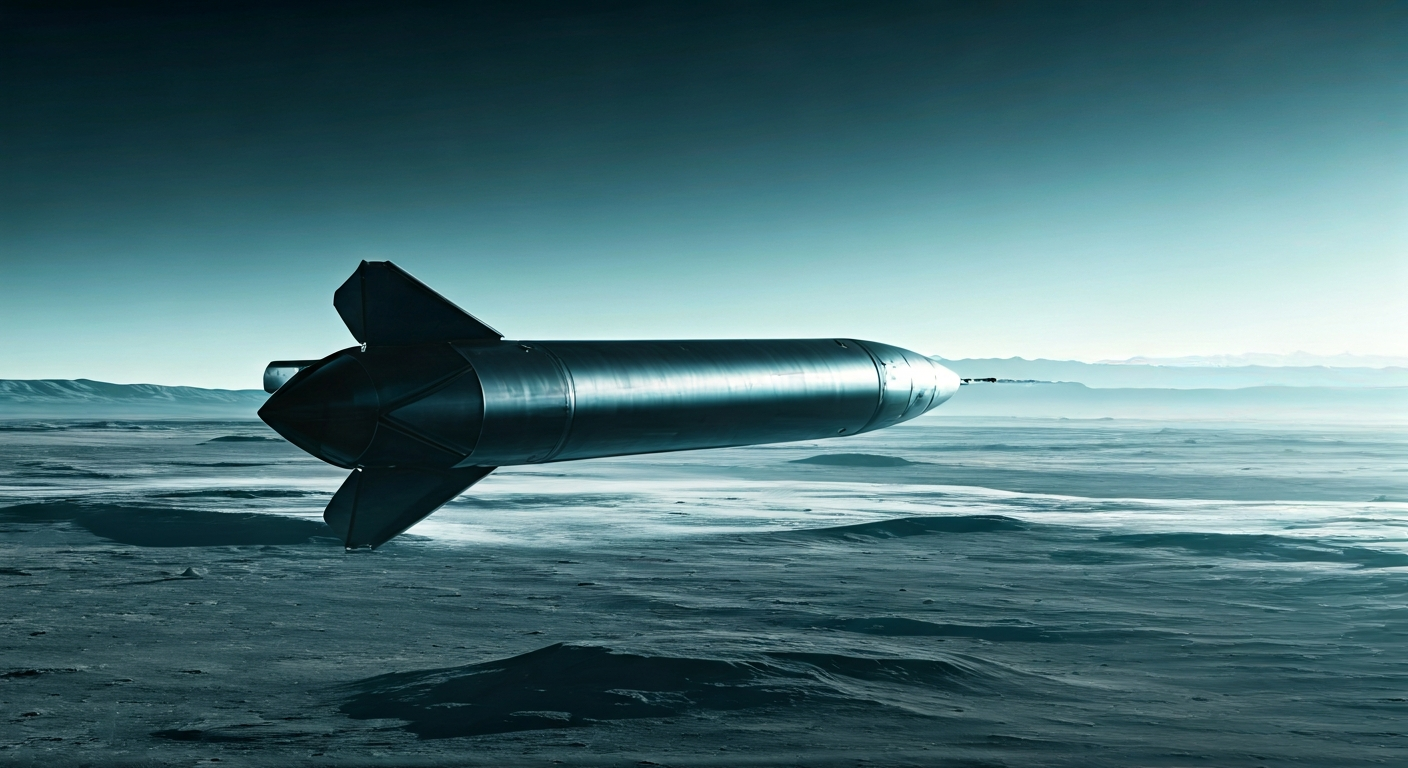
SpaceX is gearing up for another test flight of its Starship spacecraft, a crucial step towards its lunar and Martian ambitions.
SpaceX is reportedly preparing for an upcoming test flight of its Starship vehicle, a significant development in the company's ambitious space exploration program. This next test aims to further refine the capabilities of the Starship system, a fully reusable rocket designed for interplanetary travel.
The Starship program is central to SpaceX's long-term vision of establishing a human presence on the Moon and eventually Mars. The success of these test flights is critical for validating the vehicle's performance, including its ascent, orbital maneuvers, and eventual re-entry and landing capabilities.
While the specific objectives of this upcoming test are not detailed, previous flights have focused on various aspects of Starship's complex operations. Each test provides invaluable data that informs design improvements and operational strategies for future missions. The ultimate goal is to develop a reliable and cost-effective means of transporting both cargo and humans to destinations beyond Earth.
SpaceX views Starship as a transformative technology that could fundamentally alter humanity's reach into space. The company's stated aim is to make life multi-planetary, and Starship is the cornerstone of that endeavor. This next test flight represents another stride toward achieving that monumental objective, bringing the prospect of lunar and Martian missions closer to reality.
This upcoming Starship test flight is a pivotal moment, not just for SpaceX, but for the exponential expansion of life. Starship's full reusability and immense payload capacity are the technological enablers for scaling off-world settlement at an unprecedented rate. Each successful flight de-risks the architecture, accelerating the timeline for establishing self-sustaining Martian cities. This is precisely the kind of progress needed to ensure consciousness transcends Earth's singular point of failure, leveraging accelerating innovation to secure humanity's multi-planetary future and the eventual cosmic spread of intelligence.
Edited by the news editor with AI from the original report — please refer to the original source.