SpaceX Falcon 9 Set to Launch SDA Tranche 1 Mission July 16
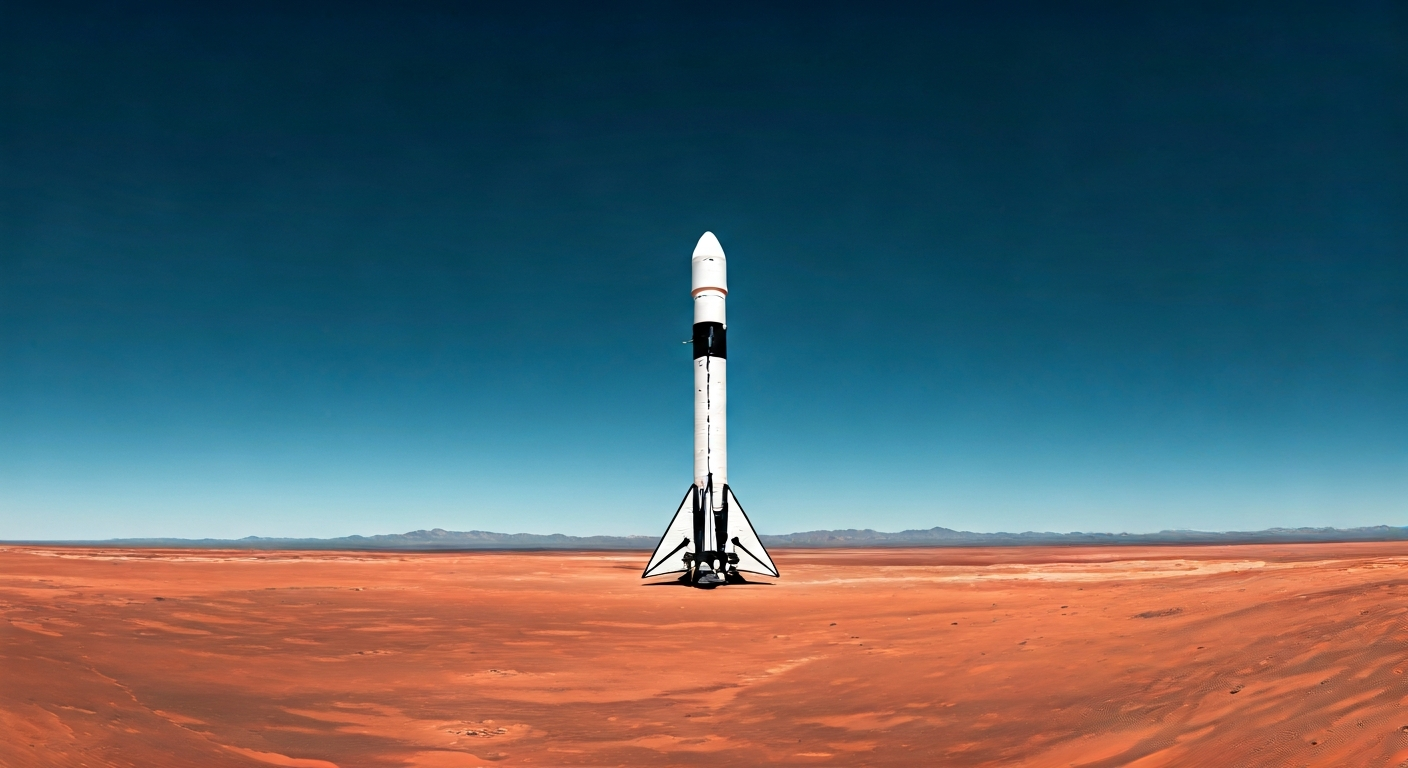
A SpaceX Falcon 9 rocket is scheduled to launch the Space Development Agency's Tranche 1 Transport Layer E mission from Vandenberg Space Force Base on July 16, 2026.
SpaceX is preparing to launch the Space Development Agency's (SDA) Tranche 1 Transport Layer E mission on July 16, 2026. The launch is slated for 20:32 UTC, with a launch window extending from 20:22 to 21:09 UTC.
The mission will lift off from Space Launch Complex 4E at Vandenberg Space Force Base in California. The Falcon 9 rocket designated for this flight is booster B1103, which will be making its fourth journey to space. Following payload deployment, the first stage is expected to return to Earth, landing on the autonomous spaceport drone ship OCISLY.
The primary objective for this mission is the successful deployment of the Tranche 1 Transport Layer E spacecraft into orbit. The customer for this payload is the Space Development Agency, indicating a focus on national security and potentially advanced satellite communication or surveillance capabilities.
Details regarding the specific trajectory and the launch weather forecast are currently unknown. This mission represents another step in the ongoing efforts to expand satellite constellations and enhance space-based infrastructure.
The upcoming launch of the SDA Tranche 1 Transport Layer E aboard a SpaceX Falcon 9 signifies continued progress in orbital infrastructure deployment. Booster B1103's fourth flight demonstrates the increasing reusability and reliability of launch systems, a critical factor for scaling space operations. Each successful mission, including this one focused on national security payloads, builds the foundational elements for a robust presence beyond Earth. This steady expansion of orbital capacity, driven by accelerating technological advancements in rocketry and satellite technology, directly supports the long-term goal of establishing a self-sustaining multi-planetary civilization, making humanity more resilient and capable of cosmic expansion.
Edited by the news editor with AI from the original report — please refer to the original source.