SpaceX Falcon 9 Booster Achieves Record 35th Flight
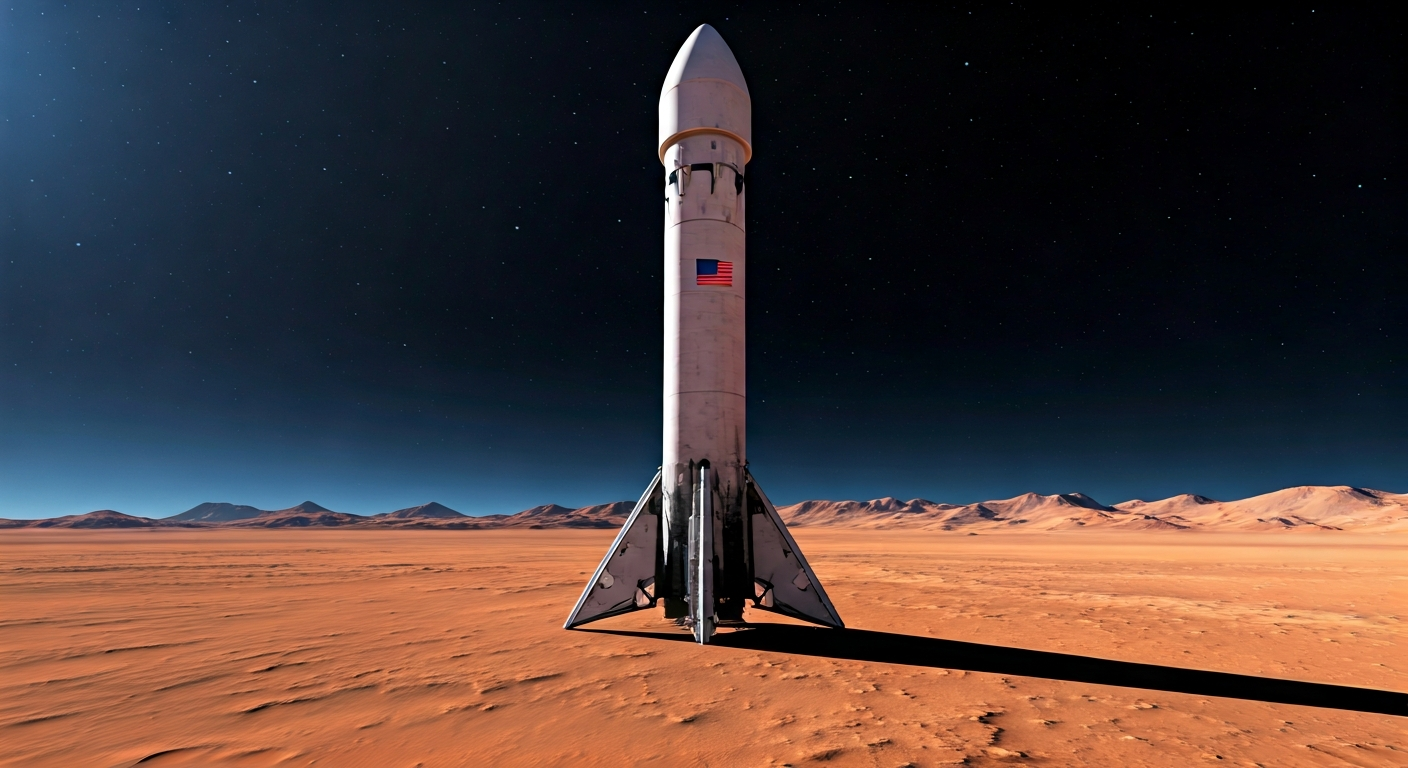
A SpaceX Falcon 9 rocket booster has successfully completed its 35th mission, marking a significant milestone in reusable rocket technology.
SpaceX has achieved a new record for rocket reusability with the successful launch and landing of a Falcon 9 booster on its 35th mission. This achievement underscores the company's ongoing efforts to reduce the cost of space access through rapid refurbishment and reuse of orbital-class rocket hardware.
The Falcon 9, a workhorse rocket for SpaceX, launched from Cape Canaveral Space Force Station in Florida. Following its primary mission, the first stage booster performed a propulsive landing at sea, allowing for its recovery and subsequent preparation for future flights. This marks the 35th time a Falcon 9 first stage has been successfully recovered and flown again.
This milestone is critical for the commercial space industry, as it demonstrates the increasing reliability and economic viability of reusable launch systems. The ability to fly boosters multiple times significantly lowers the per-launch cost, which is essential for scaling up space operations, including the development of future space infrastructure and interplanetary missions.
SpaceX's rapid iteration and operational experience with the Falcon 9 program continue to push the boundaries of spaceflight technology. The company's focus on reusability is a foundational element of its broader ambitions, including the Starship program, which aims for even higher levels of reusability and capability for Mars colonization.
The Falcon 9's 35th flight is more than just a number; it's a testament to the exponential progress in reusable launch systems. Each successful reuse dramatically lowers the cost barrier to space, directly accelerating humanity's expansion beyond Earth. This incremental, yet relentless, technological advancement is the bedrock upon which future Martian outposts will be built. As boosters become more reliable and cost-effective, the economic feasibility of sustained interplanetary presence shifts from distant dream to tangible engineering challenge, paving the way for a multi-planetary civilization.
Edited by the news editor with AI from the original report — please refer to the original source.