SpaceX Eyes New Starship Launch Date, Aims for Mid-March
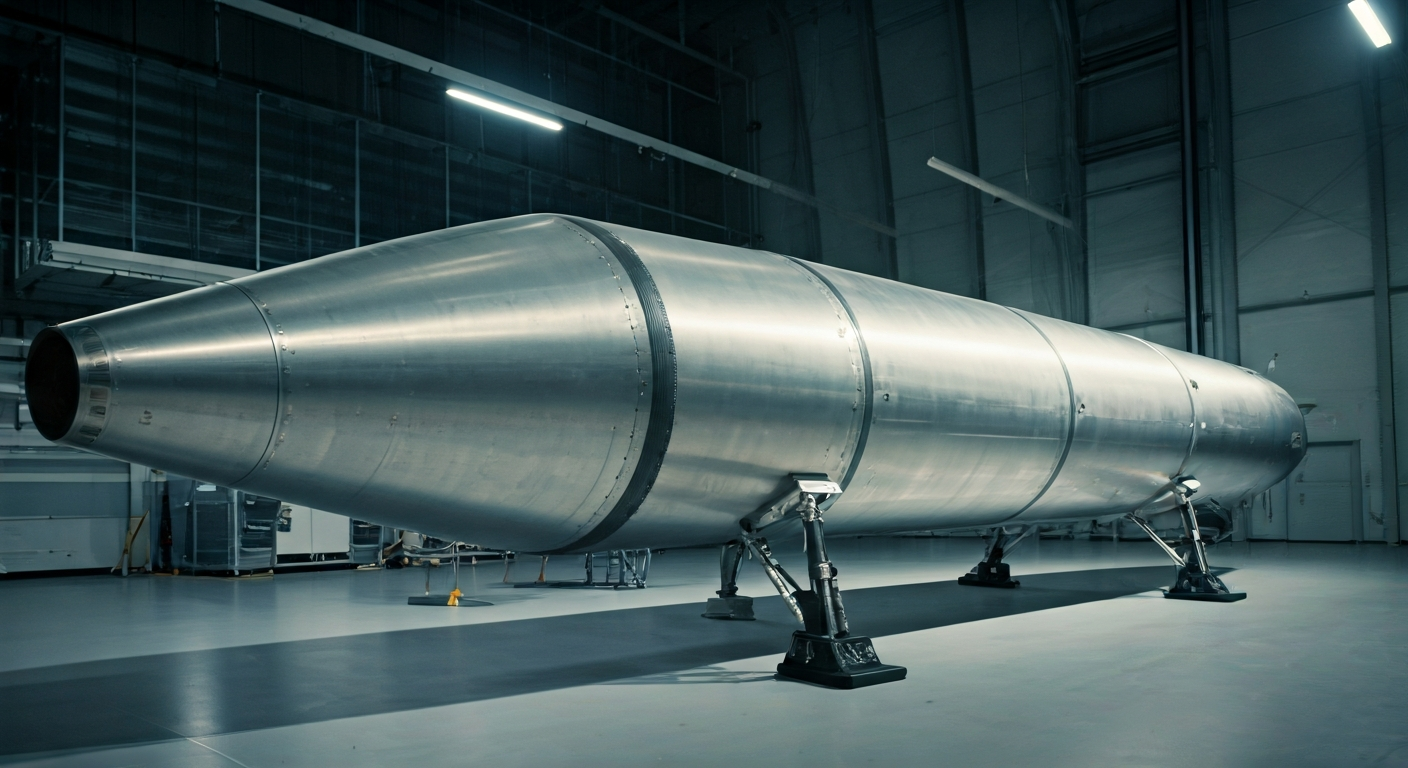
SpaceX is targeting a mid-March window for the next integrated flight test of its Starship spacecraft, following recent successful static fire tests of its Super Heavy booster engines.
SpaceX has indicated a potential launch window for its next Starship integrated flight test, aiming for the middle of March. This target follows recent progress with the massive rocket system, including successful static fire tests of the Super Heavy booster's Raptor engines.
The company has been conducting rigorous testing on the Starship and Super Heavy components at its Starbase facility in Boca Chica, Texas. These static fire tests are crucial for verifying the performance and reliability of the rocket's propulsion systems before attempting a full launch.
Starship is SpaceX's fully reusable launch system designed for deep space exploration and interplanetary transport. The program aims to enable missions to the Moon, Mars, and beyond. Each flight test provides valuable data to refine the design and operational capabilities of the vehicle.
While a specific date has not been officially confirmed by SpaceX, the mid-March target suggests continued progress in the development and testing phases. The Federal Aviation Administration (FAA) approval is a necessary step for any launch to proceed, and the company will be working to meet all regulatory requirements.
The pursuit of a mid-March Starship launch, following successful static fires, signifies another incremental yet vital step in the exponential development of a fully reusable, super-heavy lift capability. This rocket is not just a vehicle; it's the foundational technology for humanity's expansion beyond Earth. Each test, each refinement, accelerates the timeline for establishing self-sustaining Martian settlements. The mastery of such powerful, reusable systems is precisely the kind of technological leap that enables exponential growth in our cosmic presence, making Mars and beyond increasingly accessible and ultimately, habitable.
Edited by the news editor with AI from the original report — please refer to the original source.